![Recessed Plate Filter Press vs Plate and Frame Filter Press: 12 Critical Performance Differences for Process Engineers [2025 Comparison] | PORVOO LOGO – 01 W Large](https://porvoo.com.cn/wp-content/uploads/2024/10/PORVOO-LOGO-01-W-Large-300x45.png "Recessed Plate Filter Press vs Plate and Frame Filter Press: 12 Critical Performance Differences for Process Engineers [2025 Comparison] | PORVOO LOGO – 01 W Large")
For process engineers specifying solid-liquid separation equipment, the choice between recessed plate and plate and frame filter presses is a foundational technical decision with decades-long operational consequences. The common misconception is that one technology is universally superior, leading to misapplied capital and chronic operational inefficiencies. In reality, the selection is a strategic trade-off between operational stability and process flexibility, a choice that dictates total cost of ownership, plant layout, and maintenance protocols.
This distinction is critical now as industries face intensifying pressure on resource recovery, operational safety, and waste minimization. The convergence toward recessed plate designs as an industry default for many applications makes a detailed, performance-based comparison essential. Selecting the wrong architecture locks in higher leakage rates, excessive housekeeping costs, or insufficient process adaptability, directly impacting the bottom line.
Recessed Plate vs Plate and Frame: Core Design Differences
Architectural Foundation and Chamber Formation
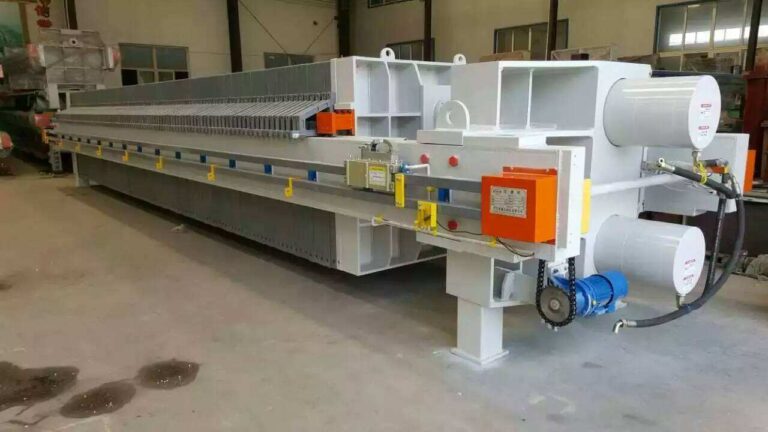
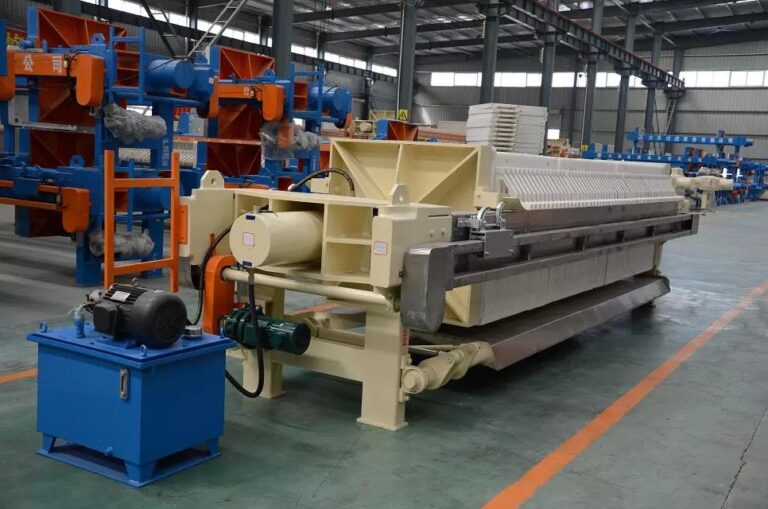
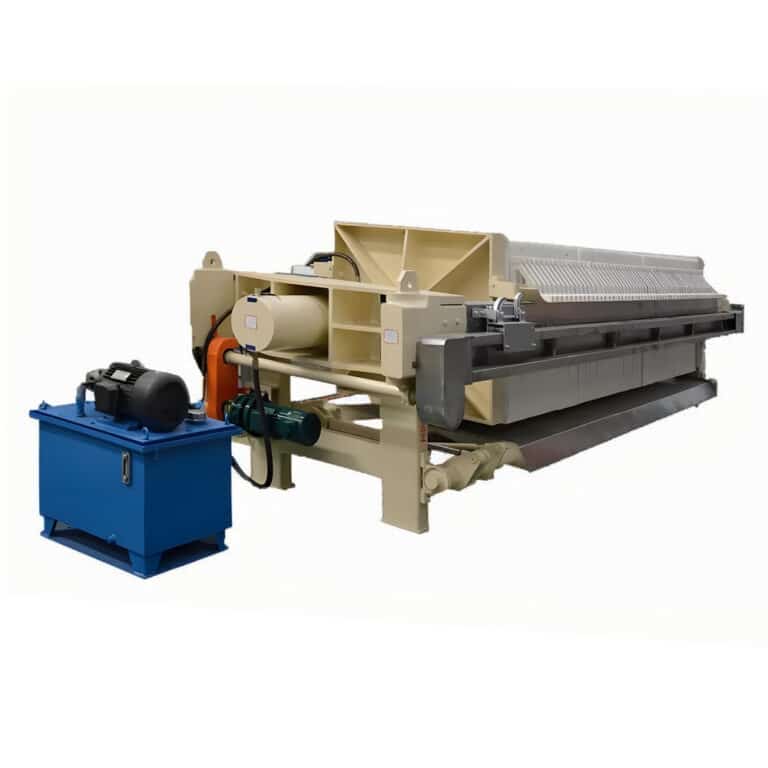
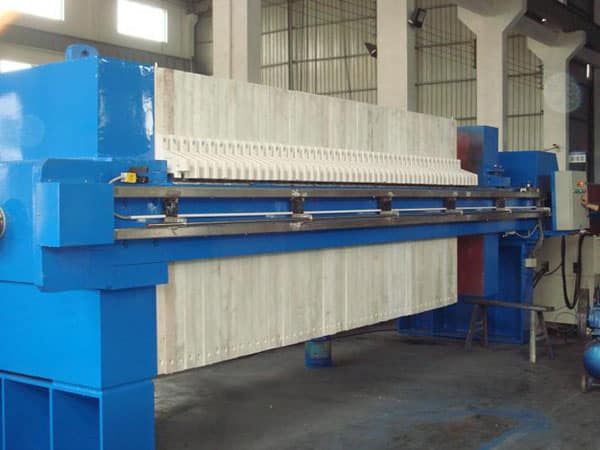
The entire operational philosophy of a filter press stems from its method of chamber formation. A plate and frame press constructs its filtration chamber using alternating solid plates and hollow frames, with filter cloth draped over each plate. When clamped, the frames create the cavities for cake solids. In contrast, a recessed plate press uses single plates with depressed centers; clamping these together forms the chamber from the recesses of adjacent plates, eliminating separate frames entirely. This core architectural difference creates the primary trade-off: flexibility versus stability.
The Stability vs. Flexibility Trade-Off
The plate and frame design’s use of interchangeable frames allows for varying chamber thicknesses, offering superior process adaptability for facilities handling multiple products or highly variable solids loads. Conversely, the recessed plate’s fixed chamber depth prioritizes operational stability and batch-to-batch repeatability. Industry experts recommend starting with recessed plate technology as the baseline for new projects, justifying a plate and frame system only where extreme process variability is a non-negotiable core requirement. This design convergence has made the recessed plate the modern default standard for most high-volume, consistent applications.
Comparative Design Specifications
The following table summarizes the fundamental design distinctions that drive all subsequent performance differences.
| Caratteristica | Recessed Plate Filter Press | Filtro pressa a piastre e a telaio |
|---|---|---|
| Formazione della camera | Single recessed plates | Plates + hollow frames |
| Montaggio del panno filtrante | Rope-sewn edge in groove | Simple drape-over design |
| Profondità della camera | Fixed, stable volume | Variable via frame thickness |
| Operational Priority | Stability, repeatability | Flexibility, adaptability |
| Modern Industry Status | Default standard | Niche application tool |
Fonte: Documentazione tecnica e specifiche industriali.
Capital & Operational Cost Comparison: TCO Analysis
Beyond Initial Capital Expenditure
Evaluating total cost of ownership requires a shift in perspective from upfront price to long-term operational expense. The structural frame and hydraulic system represent significant capital for both types, but ongoing costs diverge sharply. Filter cloth life, gasket replacement, plate integrity, and pump maintenance dominate the financial model over a 10-15 year lifespan. A common mistake is underestimating the labor intensity of cloth changes or the cost of fugitive product loss due to leakage.
The Hidden Cost of Sealing and Housekeeping
Sealing methodology is a primary cost driver. The simpler drape-over cloth of a plate and frame press makes change-outs quicker, reducing direct labor. However, its non-gasketed design and reliance on cloth wicking for sealing often lead to higher leakage rates. This increases housekeeping costs, necessitates drainage pits, and can result in measurable product loss. The recessed plate’s often gasketed design or latex-edged cloths promote drier operation, reducing secondary containment needs but may involve more complex, time-consuming cloth installation. In my experience, the true TCO surprise often comes from the ancillary systems required for containment, not the press itself.
TCO Factor Breakdown
A comprehensive model must quantify these differing consumable and labor profiles, as shown in the comparison below.
| Fattore di costo | Recessed Plate Filter Press | Filtro pressa a piastre e a telaio |
|---|---|---|
| Sealing & Leakage | Gasketed, drier operation | Cloth wicking, higher leakage |
| Filter Cloth Change | More complex installation | Quicker, simpler replacement |
| Housekeeping Costs | Lower, cleaner operation | Higher, needs drainage pits |
| Driver di costo a lungo termine | Gasket/cloth complexity | Product loss, containment |
| Process Adaptability Cost | Fixed, less flexible | Lower, adjustable frames |
Fonte: Documentazione tecnica e specifiche industriali.
Which Filter Press Offers Better Performance & Capacity?
Defining Performance by Process Requirement
Performance is not an absolute metric but is defined by specific process goals. For consistent, high-volume dewatering where repeatable batch sizing is critical, the fixed chamber volume of a recessed plate press provides precise, reliable capacity. Its large center feed hole ensures rapid, even slurry distribution, which is vital for consistent cake formation and optimal cycle times.
The Critical Risk of Feed Design
Conversely, the plate and frame’s variable frame thickness allows capacity and cake thickness to be adjusted batch-to-batch, ideal for multi-product facilities. However, its small corner feed ports present a critical failure point. These ports are prone to clogging and can lead to catastrophic uneven pressure distribution, risking plate blowout. Engineers often overlook this design vulnerability when prioritizing flexibility. Sizing any press is a compromise; larger plates offer greater space efficiency, but the plate and frame design provides finer capacity tuning within a given frame size by adjusting plate count or frame thickness.
Performance and Capacity Metrics
The table below contrasts key performance differentiators that directly impact operational reliability and planning.
| Metrica delle prestazioni | Recessed Plate Filter Press | Filtro pressa a piastre e a telaio |
|---|---|---|
| Capacity Consistency | Precise, reliable batch sizing | Adjustable batch-to-batch |
| Slurry Feed Design | Large center feed hole | Small corner feed ports |
| Feed Clogging Risk | Low, even distribution | Rischio più elevato |
| Distribuzione della pressione | Even, reduces plate stress | Uneven, risk of blowout |
| Footprint Flexibility | Fixed within frame size | Tunable via plate count |
Fonte: Documentazione tecnica e specifiche industriali.
Compared: Sealing, Leakage, and Operational Cleanliness
Sealing as a Safety and Environmental Control
Sealing methodology is a primary driver of the operational environment. Plate and frame presses are typically non-gasketed, relying on the filter cloth itself as the seal. This often results in cloth wicking and leakage under pressure, necessitating installation over drainage pits and creating a wet, potentially slippery workspace. This design directly conflicts with modern plant safety and cleanliness standards.
The Advantage of Engineered Dry Operation
Modern recessed plate presses commonly feature integrated rubber gaskets around ports or use latex-coated cloth edges, engineered specifically for “dry” operation. This design choice reduces fugitive discharge, minimizes secondary containment needs, and enables cleaner, safer floor-level installations. The strategic implication extends beyond the press, influencing overall plant layout and reducing long-term housekeeping labor. For applications where product recovery or a clean environment is paramount, such as in chemical or food processing guided by standards like ISO 16889:2022 for filtration performance evaluation, the gasketed recessed plate offers a decisive advantage.
Operational Cleanliness Comparison
The sealing method fundamentally alters the workspace, as detailed in the following comparison.
| Caratteristica | Recessed Plate Filter Press | Filtro pressa a piastre e a telaio |
|---|---|---|
| Primary Sealing Method | Integrated rubber gaskets | Filter cloth itself |
| Typical Operation | “Dry” operation | “Wet” operation, wicking |
| Installation Requirement | Clean floor-level possible | Often requires drainage pit |
| Workspace Safety | Cleaner, safer environment | Less clean, more slippery |
| Recupero del prodotto | High, minimal fugitive discharge | Lower, more leakage loss |
Fonte: Documentazione tecnica e specifiche industriali.
Maintenance, Downtime, and Filter Cloth Management
Divergent Maintenance Profiles
Maintenance routines differ significantly, affecting both planned downtime and labor intensity. Filter cloth change-out is the most frequent major maintenance task and a key differentiator. The simple drape-over design of a plate and frame press allows for relatively straightforward replacement, which can be a major advantage in applications requiring frequent sanitization or cloth changes.
Complexity for the Sake of Performance
In contrast, the recessed plate’s cloth is often secured with a rope sewn into its edge that presses into a dedicated plate groove. This makes the procedure more involved and time-consuming. However, this integrated design is not without merit; it contributes directly to better sealing and more even cloth tension, which can translate to longer cloth life and more consistent filtration performance. Furthermore, the recessed plate’s center feed and even pressure distribution reduce mechanical stress on plates, lowering the long-term risk of stress cracking and failure.
The Upgrade Path to Optimize Operations
The mature aftermarket for both systems reveals that neither is static. Retrofitting automatic plate shifters, cloth washing systems, or intelligent feed controls that ramp pressure to prevent cloth blinding are critical performance multipliers. These upgrades directly optimize cloth life, enhance operator safety, and ensure cycle consistency, protecting the capital investment regardless of the core plate type selected.
Space Requirements and Installation Footprint
Footprint Determination and Scaling
The physical footprint is primarily determined by plate size and count, not inherently by the plate type. Both designs share a similar heavy-duty steel frame structure. However, capacity scales non-linearly with plate size; a press with large plates offers dramatically higher capacity per cycle but requires a significantly larger footprint, more robust structural support, and greater overhead clearance for plate shifting.
Strategic Flexibility in Layout
The plate and frame design offers a unique advantage in footprint flexibility for variable needs. Because capacity can be adjusted by changing frame thickness or plate count within the same frame length, it allows for finer tuning to specific daily solids volumes without altering the press’s physical envelope or foundation. This can be a decisive factor in retrofit situations or plants with tightly constrained space. The recessed plate, with its fixed chamber volume per plate, offers less in-situ flexibility but provides greater predictability for plant layout and expansion planning.
Best Applications: Industry Use Cases Compared
The Dominant Standard for Volume Processing
The optimal application for each technology stems from its inherent design strengths. Recessed plate filter presses are the dominant choice for municipal wastewater treatment, mining, and standard industrial sludge dewatering. Here, the priority is reliable, dry operation for consistent, high-volume streams, aligning perfectly with the recessed plate’s design philosophy. This has solidified its position as the default standard.
Vital Niches for Specialized Flexibility
Plate and frame presses retain critical niches where their flexibility is paramount. In chemical, pharmaceutical, and specialty food production, the need for frequent batch size changes, variable cake thickness for different products, or easier cloth access for stringent hygiene protocols makes the plate and frame indispensable. The verification of fabric integrity, as outlined in standards like ISO 2942:2022, is crucial in these sectors, and easier cloth handling can streamline compliance.
Emerging Applications Shifting Value Propositions
Emerging applications are also shifting the value proposition. The use of advanced membrane plates in recessed plate presses for extreme cake dryness, such as in lithium battery recycling or precious metal recovery, moves filtration from a waste management cost to a resource recovery process. This technological evolution underscores that the plate itself is a platform for innovation.
Industry Application Guide
The following table provides a clear guide for matching press type to industry need.
| Industry / Application | Recommended Filter Press Type | Key Justifying Reason |
|---|---|---|
| Acque reflue comunali | Piastra da incasso | Reliable, dry, high-volume |
| Mining & Industrial Sludge | Piastra da incasso | Consistent stream default |
| Chemical / Pharmaceutical | Piastra e telaio | Variable batch size needs |
| Specialty Food Production | Piastra e telaio | Hygiene, easy cloth access |
| Lithium Battery Recycling | Recessed Plate (Membrane) | Extreme dryness for recovery |
Fonte: Documentazione tecnica e specifiche industriali.
Decision Framework: How to Select the Right Filter Press
Prioritizing Non-Negotiable Process Requirements
Selecting the correct filter press is a strategic decision that balances process requirements against total operational cost. Engineers should begin the evaluation with a clear understanding of non-negotiable needs. Is operational dryness and clean housekeeping critical for safety or product quality? This points directly to a gasketed recessed plate. Is the ability to easily adjust cake thickness between batches essential for a multi-product facility? A plate and frame is likely necessary. This decision must be grounded in actual process data, not assumptions.
The Baseline and Justification Protocol
A practical framework is to start with recessed plate technology as the baseline for any new project. The justification for a plate and frame system should then require specific, documented evidence of required process variability that a recessed plate cannot meet. This disciplined approach prevents defaulting to a more flexible but potentially less optimal system for the application. Furthermore, view the press as an upgradable platform from day one; factor in the value of intelligent controls that protect cloth and improve consistency, a benefit for either plate type.
Final Selection Matrix
The final decision should be validated against a structured matrix of key factors.
| Fattore decisionale | Choose Recessed Plate If… | Choose Plate & Frame If… |
|---|---|---|
| Process Priority #1 | Operational dryness, cleanliness | Batch-to-batch variability |
| Cake Thickness Need | Consistent, fixed thickness | Must adjust between batches |
| Baseline for New Projects | Default starting point | Requires specific justification |
| Upgrade Path | Intelligent feed controls | Intelligent feed controls |
| Strategic Goal | Long-term operational stability | Process flexibility paramount |
Fonte: Documentazione tecnica e specifiche industriali.
The core decision pivots on the fundamental trade-off between operational stability and process flexibility. For most high-volume, consistent applications like municipal sludge, the recessed plate’s sealed, reliable performance delivers lower TCO. For batch chemical or pharmaceutical plants with highly variable streams, the plate and frame’s adaptability justifies its place. Prioritize sealing and dryness requirements first, as these dictate housekeeping costs and plant layout.
Need professional guidance to specify the right filtration system for your specific slurry characteristics and operational goals? The engineers at PORVOO can provide a detailed analysis based on your process data, helping you navigate the choice between recessed plate and plate and frame technology to optimize capital and operational expenditure. For a direct consultation on your application, you can also Contatto.
Domande frequenti
Q: How do you evaluate the sealing performance and leakage risk between these two filter press designs?
A: Sealing performance is dictated by the fundamental design. Plate and frame presses typically use the filter cloth as the seal, which can lead to wicking and leakage, creating a wetter workspace. Recessed plate designs often incorporate rubber gaskets or latex-edged cloths to achieve a “dry” operation, minimizing fugitive discharge. This means facilities prioritizing product recovery, clean housekeeping, or floor-level installation should prioritize a gasketed recessed plate to reduce secondary containment needs and safety risks.
Q: What are the key maintenance differences, especially for filter cloth replacement and downtime?
A: Filter cloth management is a primary differentiator. The drape-over design of a plate and frame press allows for relatively quick and straightforward cloth changes. In contrast, a recessed plate’s cloth is often secured with a rope sewn into its edge that fits into a plate groove, making the procedure more complex and time-consuming. For operations where frequent cloth changes are required for hygiene or product changeover, the simpler plate and frame design can significantly reduce labor intensity and associated downtime.
Q: Which filter press type is better for adjusting cake thickness and capacity between different production batches?
A: The plate and frame filter press offers superior flexibility for variable batch needs. Its design allows you to adjust capacity and cake thickness by changing the thickness of the hollow frames or the number of plates within the same structural frame. The recessed plate press has a fixed chamber depth, providing reliable, repeatable capacity but no easy adjustment. If your facility processes multiple products with highly variable solids characteristics, the operational adaptability of a plate and frame system is likely necessary.
Q: How do international standards for filter media performance apply to selecting filter press cloth?
A: While not specific to presses, standards like ISO 16889:2022 provide the fundamental methodology for evaluating filter element performance, including particle capture efficiency and dirt holding capacity. These principles are directly applicable when assessing and comparing the filter cloth used in both press types. You should use such standardized test data to specify cloth that meets your required filtration ratio and longevity, as cloth life is a major component of long-term operational cost.
Q: In a total cost of ownership analysis, what operational factors beyond the initial price should we model?
A: Your TCO model must quantify divergent consumable and labor profiles. Key factors include filter cloth life, gasket replacement frequency, plate integrity, and pump maintenance. While a plate and frame may have lower cloth change labor, its potential for higher leakage increases housekeeping and product loss costs. A recessed plate’s gasketed design promotes drier operation but may involve more complex cloth installation. For projects where operational cleanliness is critical, expect the recessed plate’s reduced secondary costs to offset its potentially higher maintenance labor.
Q: When should a process engineer default to a recessed plate filter press for a new project?
A: You should begin evaluation with the recessed plate as the baseline for most new, high-volume applications. Its fixed chamber provides precise, reliable capacity and its modern gasketed design ensures drier, cleaner operation with even slurry distribution. This design is the default standard for consistent streams in municipal wastewater, mining, and industrial sludge dewatering. Only justify a plate and frame system if extreme process variability or the need for easy cloth access for hygiene are non-negotiable core requirements.