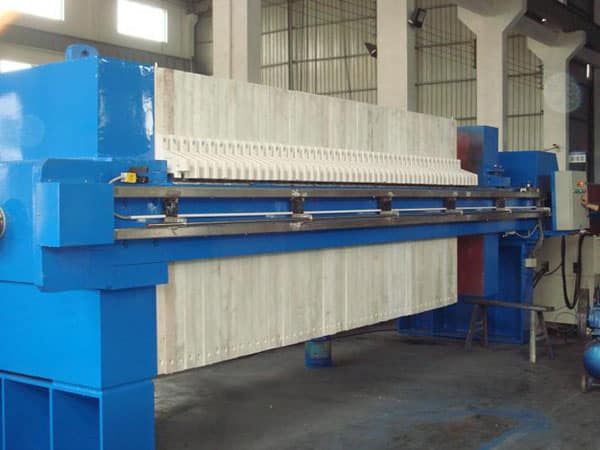
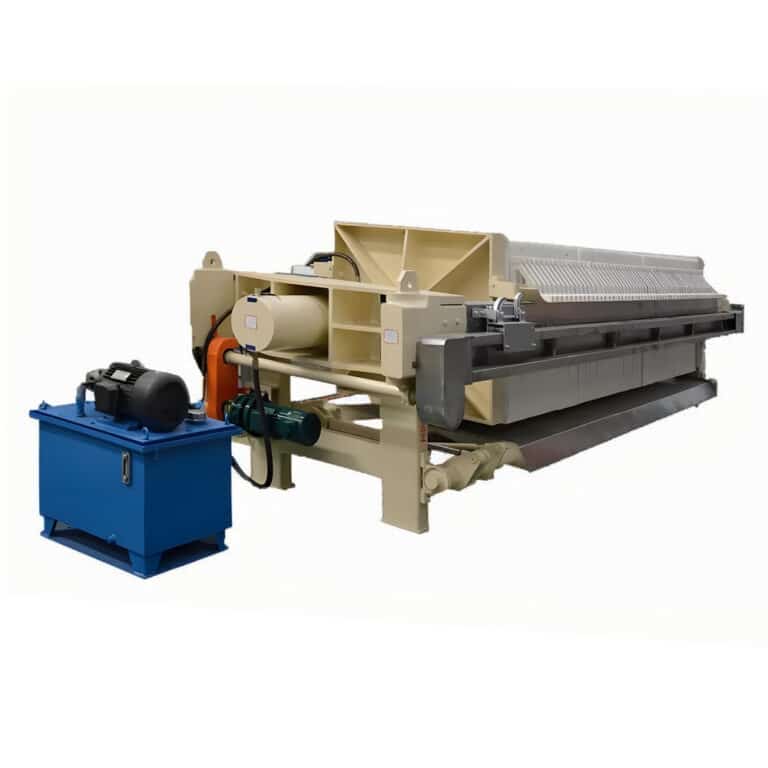
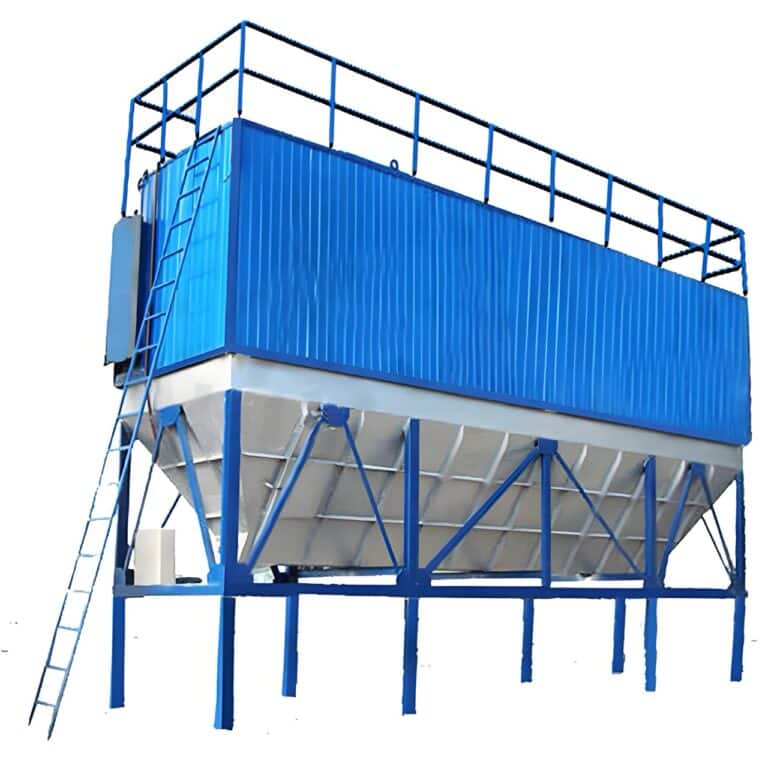
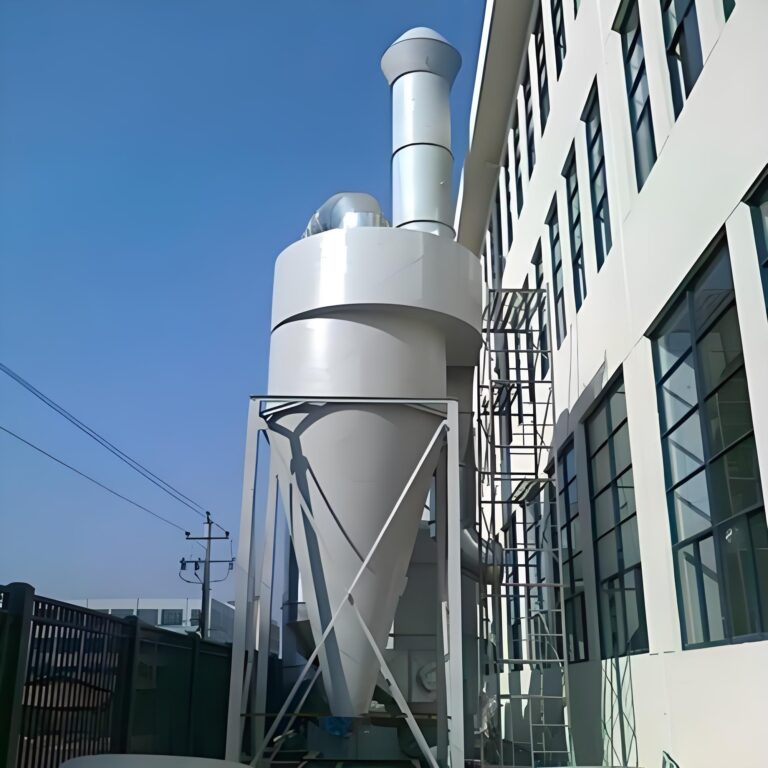
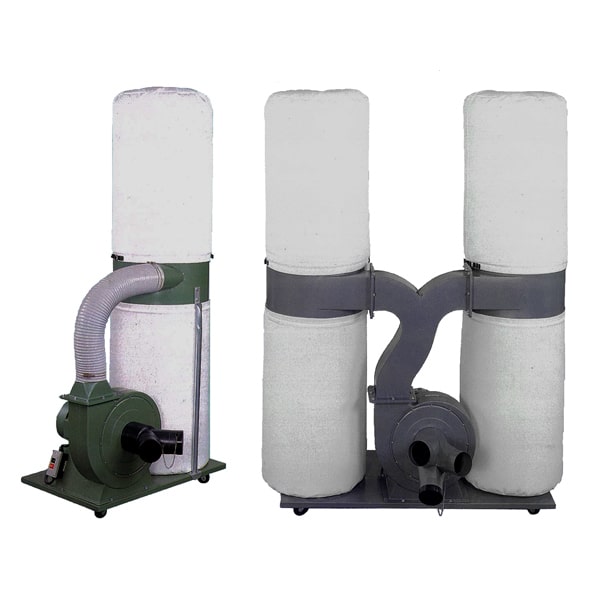
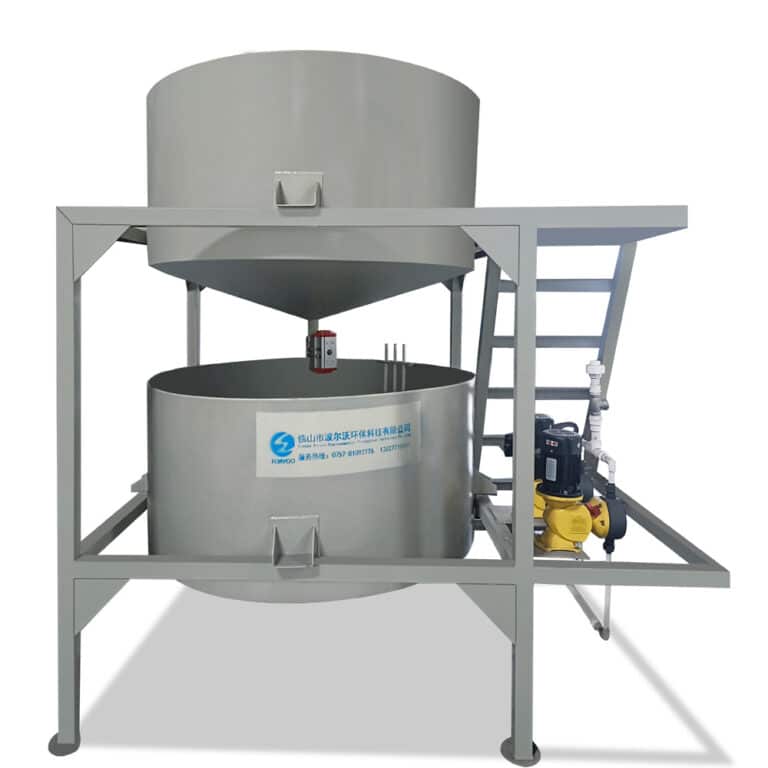
La scelta del giusto sistema di raccolta delle polveri è una decisione di capitale critica con conseguenze operative che durano decenni. La scelta tra depolveratori a getto d'impulsi (a maniche) e a cartuccia è spesso semplificata a una questione di costi o di spazio, con conseguenti costose discrepanze in termini di prestazioni e affidabilità. L'incomprensione delle differenze fondamentali di progettazione può bloccare un impianto in un ciclo di manutenzione elevata, scarsa qualità dell'aria e consumo energetico eccessivo.
Questa decisione è sempre più urgente a causa dell'inasprimento delle normative sulla qualità dell'aria sul posto di lavoro e del crescente valore strategico della superficie. Un sistema ottimizzato per le caratteristiche specifiche della polvere e i vincoli della struttura non è più un lusso, ma un requisito per l'efficienza operativa e la conformità alle normative. Una scelta sbagliata ha un impatto diretto sul costo totale di proprietà e sui tempi di produzione.
Getto d'impulsi e collettore a cartuccia: Le principali differenze spiegate
Definizione del mezzo filtrante
La distinzione principale sta nel materiale filtrante. I depolveratori a getto d'impulsi, o baghouse, utilizzano sacchi cilindrici in tessuto, tipicamente in poliestere, fibra di vetro o PTFE. La polvere si raccoglie all'esterno del sacco, formando una torta di polvere porosa che diventa parte del meccanismo di filtrazione. I collettori a cartuccia, invece, utilizzano supporti pieghettati in tessuto non tessuto disposti in cartucce cilindriche. Questo design pieghettato offre una superficie molto più ampia in un alloggiamento compatto, con la polvere che si raccoglie sulle superfici esterne delle pieghe.
Come il design guida l'applicazione
Questa differenza di progettazione fondamentale determina i loro punti di forza intrinseci. Il tessuto dei collettori a maniche è resistente e gestisce bene la natura abrasiva dei carichi di polvere pesanti. Il media pieghettato di un collettore a cartucce, invece, è progettato per catturare ad alta efficienza le polveri sottili. Secondo le ricerche degli ingegneri della filtrazione, un errore comune è quello di scegliere in base al solo flusso d'aria senza considerare la distribuzione delle dimensioni delle particelle. La scelta della tecnologia è dettata fondamentalmente dal particolato: i filtri a maniche catturano efficacemente particelle fino a circa 5 micron, mentre i sistemi a cartuccia sono specializzati per le polveri sottili inferiori al micron.
L'emergere di soluzioni ibride
I confini storici tra queste tecnologie si stanno attenuando. Una tendenza emergente è l'uso di elementi filtranti pieghettati all'interno dei tradizionali alloggiamenti a sacco. Questa ibridazione mira a combinare l'efficienza compatta dei media pieghettati con la struttura robusta di un filtro a maniche. Gli esperti del settore raccomandano di valutare questi sistemi ibridi per le applicazioni con flussi di polvere complessi che includono sia frazioni grossolane che fini, in quanto possono offrire una soluzione intermedia.
Confronto dei costi: Capitale, funzionamento e costo totale di gestione
Analisi delle spese di capitale e operative
L'analisi iniziale dei costi spesso mostra sistemi a getto d'impulsi con una spesa di capitale inferiore per applicazioni di grandi volumi e polveri pesanti, grazie a una struttura più semplice e a supporti a sacco durevoli. Tuttavia, questa visione iniziale è incompleta. I collettori a cartuccia possono avere un costo più elevato per unità di flusso d'aria, ma consentono di risparmiare grazie a un ingombro fisico significativamente inferiore, riducendo i costi strutturali o di spazio interno associati. Il vero quadro finanziario emerge dai costi operativi, dove il consumo energetico e la manutenzione divergono.
Il modello del costo totale di proprietà
Per un confronto veritiero è necessario modellare il costo totale di proprietà su un periodo di 5-10 anni. In questo modo si integrano i cicli di sostituzione dei filtri, il consumo di energia derivante dalla caduta di pressione del sistema, le ore di manodopera per la manutenzione e i costi di conformità alla sicurezza. Dai confronti dei nostri progetti, abbiamo riscontrato che la minore caduta di pressione iniziale di un filtro a cartuccia pulito può portare a un sostanziale risparmio energetico del ventilatore, ma questo deve essere valutato a fronte di costi di sostituzione dei supporti potenzialmente più frequenti rispetto ai sacchi in tessuto di lunga durata.
| Fattore di costo | Getto a impulsi (Baghouse) | Collezionisti di cartucce |
|---|---|---|
| Spese in conto capitale | Più basso per i grandi volumi | Maggiore per unità di flusso d'aria |
| Costo operativo (energia) | Caduta di pressione più elevata | Minore perdita di carico iniziale |
| Costo di sostituzione del filtro | Frequenza inferiore | Frequenza più alta |
| Costo della manodopera per la manutenzione | Superiore (accesso lato sporco) | Inferiore (accesso dal lato pulito) |
| Impronta Impatto Costo | Più alto (spazio più grande) | Inferiore (design compatto) |
Fonte: Documentazione tecnica e specifiche industriali.
Quale sistema è migliore per carichi di polvere pesanti o fini?
Abbinare la tecnologia alle caratteristiche della polvere
Il carico di polvere è il principale fattore di selezione. I filtri a maniche a getto d'impulsi sono la scelta migliore per i carichi pesanti e secchi di particolato di grandi dimensioni, come trucioli di legno, gusci di cereali o scaglie di minerali. La loro struttura in tessuto resiste alla natura abrasiva di questi materiali. Al contrario, i collettori a cartuccia eccellono nella gestione di carichi medio-leggeri di polveri fini e polverose, come fumi di saldatura, API farmaceutici o fumi di taglio laser. Le loro pieghe ad alta efficienza catturano efficacemente particelle inferiori al micron.
Esclusioni e rischi critici
Un dettaglio critico, spesso trascurato, è il comportamento delle particelle appiccicose, umide o oleose. Questi rappresentano un grave rischio di intasamento per entrambi i sistemi, ma possono accecare irreversibilmente le pieghe della cartuccia nel giro di poche ore. Per queste applicazioni può essere necessaria una tecnologia diversa, come uno scrubber a umido. Lo standard NFPA 652 Standard sui fondamenti delle polveri combustibili richiede un'analisi del rischio di polvere (DHA), che obbliga a caratterizzare esattamente queste proprietà - dimensioni delle particelle, umidità e abrasività - rendendola un primo passo essenziale nella selezione.
| Caratteristica della polvere | Getto a impulsi (Baghouse) | Collezionisti di cartucce |
|---|---|---|
| Dimensione delle particelle Obiettivo | ~5 micron e oltre | Multe sub-microniche |
| Capacità di carico | Carichi pesanti | Carichi leggeri e medi |
| Materiali di esempio | Trucioli di legno, granaglie | Fumo di saldatura, polvere |
| Polvere abrasiva | Maneggevolezza eccellente | Vulnerabile ai danni |
| Polvere appiccicosa/umida | Grave rischio di intasamento | Grave rischio di intasamento |
Fonte: NFPA 652 Standard sui fondamenti delle polveri combustibili (https://www.nfpa.org/product/nfpa-652-standard/p0652code). Questo standard richiede un'analisi del rischio di polvere (DHA), che richiede la caratterizzazione delle proprietà della polvere come la dimensione delle particelle, l'umidità e l'abrasività, fattori chiave in questa tabella di selezione.
Prestazioni a confronto: Efficienza, ingombro e flusso d'aria
Parametri di efficienza di filtrazione
Le metriche delle prestazioni evidenziano i punti di forza complementari. I collettori a cartuccia offrono un'efficienza di filtrazione superiore, spesso superiore al 99,99% per particelle di 0,3 micron, in linea con le classificazioni in ISO 16890-1:2016 Filtri dell'aria per la ventilazione generale. Questo li rende ideali per i severi standard di qualità dell'aria e per il ricircolo dell'aria interna. I filtri a sacco offrono un'elevata efficienza (>99,9%), ma sono ottimizzati per le particelle più grandi. Per le applicazioni che richiedono una filtrazione di livello HEPA, come nel settore farmaceutico, i protocolli di prova della norma ISO 29463 per i filtri ad alta efficienza diventano il punto di riferimento per i supporti a cartuccia.
Il fattore decisivo dell'impronta
Il fattore di differenziazione delle prestazioni più decisivo è spesso l'efficienza spaziale. Il design pieghettato della cartuccia consente di ottenere un rapporto aria/tessuto molto più elevato (ad esempio, 4:1 contro 2:1 di un filtro a maniche). Ciò significa che può gestire lo stesso flusso d'aria volumetrico in un ingombro notevolmente inferiore. Questa compattezza è un vantaggio primario per l'installazione in ambienti interni, in quanto consente di posizionarli più vicino alle fonti di polvere. I filtri a maniche, con un rapporto aria/tessuto più basso, richiedono una struttura fisica più grande, che spesso obbliga a un'installazione all'aperto con condotti più lunghi e costosi.
| Metrica delle prestazioni | Getto a impulsi (Baghouse) | Collezionisti di cartucce |
|---|---|---|
| Efficienza di filtrazione | >99,9% (particelle più grandi) | >99,99% (0,3 micron) |
| Rapporto aria/panno | Rapporto inferiore | Rapporto più alto |
| Impronta fisica | Struttura più grande | Significativamente più piccolo |
| Installazione tipica | Spesso all'aperto | Principalmente al chiuso |
| Qualità dell'aria ottimale | Ventilazione generale | Scarico ultra-pulito |
Fonte: ISO 16890-1:2016 Filtri dell'aria per la ventilazione generale (https://www.iso.org/standard/57864.html). Questa norma fornisce la classificazione e il quadro di prova per l'efficienza dei filtri in base alla rimozione del particolato (ad esempio, PM1, PM2,5), direttamente rilevante per le dichiarazioni di efficienza per entrambi i tipi di collettori.
Getto d'impulsi vs. cartuccia: Casi d'uso chiave e applicazioni industriali
Mappatura dell'industria primaria
La scelta dell'applicazione deriva direttamente dalle caratteristiche della polvere. Scegliete un filtro a maniche a getto d'impulsi per la lavorazione del legno (piallatrici, levigatrici), l'industria mineraria (frantumazione, punti di trasferimento), la movimentazione dei cereali (gambe degli ascensori), la produzione di cemento e i processi ad alta temperatura in cui possono essere utilizzati materiali filtranti specializzati come la fibra di vetro rivestita di PTFE. La selezione dei media all'interno di questa categoria è una leva critica, che consente la filtrazione diretta dei gas caldi.
Il dominio dei collezionisti di cartucce
Scegliete un collettore a cartuccia per la lavorazione dei metalli (saldatura, taglio al plasma), i prodotti farmaceutici (trasferimento di polveri, pressatura di compresse), il rivestimento di polveri, la lavorazione degli alimenti (zucchero, farina) e qualsiasi applicazione in cui lo spazio è limitato e lo scarico ultra-pulito è necessario per la sicurezza dei lavoratori o la qualità del prodotto. Un'applicazione di nicchia, ma critica, è quella dello sfiato di silo e bidoni, dove le unità a cartuccia a getto d'impulsi sono progettate per gestire le difficili dinamiche di pressione, superando i collettori generici.
Manutenzione, durata dei filtri e manodopera operativa a confronto
Sicurezza e lavoro nei protocolli di manutenzione
I profili di manutenzione differiscono sostanzialmente in termini di sicurezza e intensità di lavoro. La sostituzione delle cartucce è in genere un'operazione “dal lato pulito”; il personale rimuove i filtri esauriti dal plenum dell'aria pulita, riducendo al minimo l'esposizione alle polveri raccolte. Questa soluzione riduce i rischi per la sicurezza e i tempi di lavoro. La manutenzione dei filtri a maniche spesso richiede l'ingresso nella sezione dell'aria sporca per la manutenzione dei sacchi, il che richiede il blocco e l'etichettatura, protocolli per spazi confinati e potenzialmente più manodopera.
Ottimizzazione della durata del filtro e dei tempi di inattività
La durata del filtro non è una specifica fissa, ma una funzione dell'applicazione e della manutenzione. I robusti sacchi in tessuto possono durare 3-5 anni in condizioni adeguate, mentre le cartucce possono essere sostituite ogni 1-2 anni, ma sono più facili e veloci da sostituire. Il passaggio alla manutenzione basata sulle condizioni, utilizzando sensori di pressione differenziale, è fondamentale. Ottimizzando i cicli di pulizia in base alla caduta di pressione effettiva piuttosto che a un timer, le strutture possono prolungare la durata dei filtri per entrambi i sistemi e prevenire l'usura inutile.
| Aspetto della manutenzione | Getto a impulsi (Baghouse) | Collezionisti di cartucce |
|---|---|---|
| Posizione di accesso al filtro | Plenum aria sporca | Plenum aria pulita |
| Livello del protocollo di sicurezza | Requisiti più severi | Riduzione del rischio di esposizione |
| Durata del filtro fisico | Anni (sacchi robusti) | Sostituzione più frequente |
| Intensità di lavoro | Più alto | Più basso |
| Ottimizzazione della manutenzione | Monitoraggio basato sulle condizioni | Monitoraggio basato sulle condizioni |
Fonte: Documentazione tecnica e specifiche industriali.
Vincoli di spazio e installazione interna o esterna
L'impronta come decisione sul capitale
I requisiti spaziali influenzano direttamente la spesa di capitale. Il design compatto e ad alta efficienza dei collettori a cartuccia li rende la scelta ideale per l'installazione in ambienti interni, dove possono essere collocati vicino alle fonti di polvere o in locali meccanici angusti. Questa vicinanza riduce la lunghezza dei condotti, minimizza le perdite di pressione statica e abbassa i costi di installazione. Quando lo spazio a terra è un bene prezioso, il vantaggio dell'ingombro della cartuccia diventa spesso il fattore decisivo.
La logistica del posizionamento dei sacchi
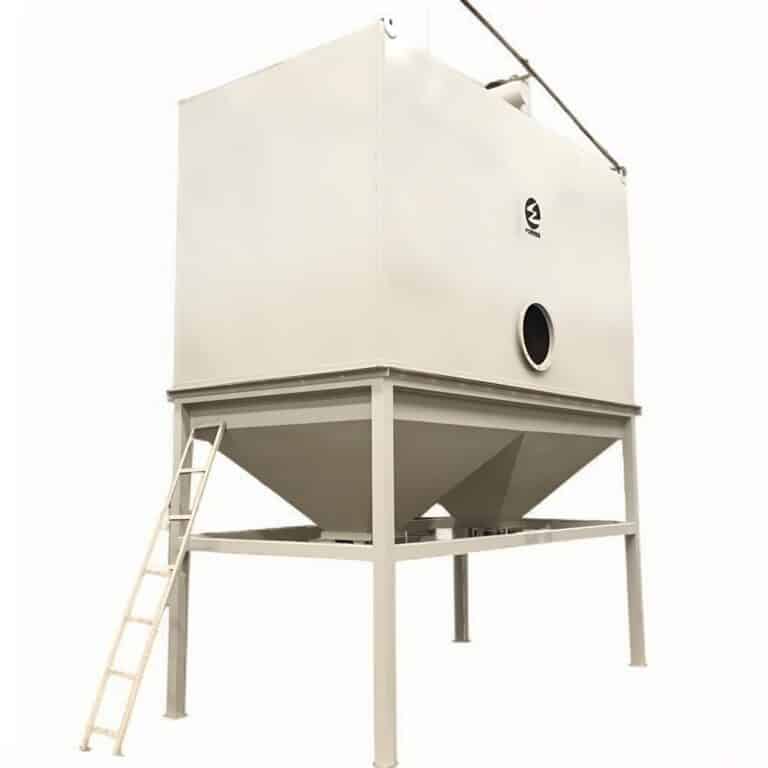
I filtri a maniche a getto d'impulsi, a causa delle loro dimensioni maggiori e del design spesso a tramoggia per lo scarico della polvere, richiedono spesso un'installazione all'aperto o spazi interni dedicati e di grandi dimensioni con un accesso adeguato per la manutenzione. Questa decisione incide sui costi di fondazione, sulle esigenze di protezione dalle intemperie e sulla gestione termica delle condutture per evitare la condensa. Il costo della costruzione di un pad esterno o di una sala macchine ampliata deve essere incluso nello studio di fattibilità del progetto iniziale.
Quadro decisionale: Come scegliere il sistema giusto
Fase 1: Audit rigoroso delle polveri e dei processi
Iniziate con una caratterizzazione rigorosa della vostra polvere: distribuzione granulometrica, contenuto di umidità, abrasività e carico (lbs/ora). Contemporaneamente, definire gli elementi non negoziabili del processo: flusso d'aria richiesto (CFM), temperatura di esercizio ed efficienza di emissione target. Anticipare le tendenze normative; l'inasprimento delle norme sul PM2,5 e sul particolato sub-micronico può favorire la tecnologia a cartuccia per essere a prova di futuro.
Fase 2: valutazione della struttura e dei fattori strategici
Verificate i vincoli della struttura: quantificate lo spazio disponibile all'interno e all'esterno, valutate le capacità di manutenzione interna e la formazione in materia di sicurezza. Quindi, valutare i componenti aggiuntivi strategici. Gli esperti del settore sono fortemente a favore dei pre-filtri a ciclone come moltiplicatori di efficienza. Un ciclone a monte di uno dei due sistemi protegge i filtri primari dalla maggior parte dei carichi pesanti o abrasivi, riducendo drasticamente i costi operativi e prolungando la durata dei filtri dello stadio finale. collettore di polveri a getto d'impulso.
Fase 3: Modellazione e convalida finanziaria
Infine, è necessario calcolare il costo totale di gestione. Integrate tutti i fattori: costo del capitale, consumo energetico basato sulla caduta di pressione del sistema, durata prevista del filtro e costi di sostituzione, manodopera stimata per la manutenzione ed eventuali costi associati alla logistica dello spazio o dell'installazione. Questo modello finanziario olistico, e non il preventivo iniziale dell'apparecchiatura, rivela la scelta economicamente e tecnicamente più valida per la vostra specifica attività.
La scelta corretta si basa su un'analisi disciplinata delle caratteristiche della polvere rispetto ai punti di forza della progettazione del sistema, non sull'industria惯例. Privilegiate soprattutto la distribuzione dimensionale e il carico delle particelle; spesso è questo singolo fattore a determinare il percorso tecnologico più adatto. Poi, lasciate che i vincoli spaziali e il costo totale di proprietà perfezionino la decisione. Il compromesso sulla corrispondenza fondamentale tra polvere e supporto porta a problemi operativi cronici.
Avete bisogno di un'analisi professionale per la vostra applicazione specifica? Gli ingegneri di PORVOO può aiutarvi ad applicare questo schema ai dati del vostro impianto, assicurandovi che il vostro investimento nella raccolta delle polveri offra prestazioni e affidabilità ottimizzate. Contatto per discutere i requisiti del vostro progetto e ricevere una raccomandazione di sistema basata sull'analisi delle polveri.
Domande frequenti
D: Come si determina se è meglio un sistema a cartuccia o a getto d'impulsi per il particolato sub-micronico?
R: I collettori a cartuccia sono la scelta definitiva per le polveri sottili inferiori al micron, con rendimenti superiori al 99,99% per particelle di 0,3 micron. I loro supporti pieghettati forniscono la superficie necessaria per una filtrazione ad alta efficienza, convalidata da standard quali ISO 29463-1:2017. Ciò significa che le strutture che puntano a una qualità dell'aria interna rigorosa o al ricircolo di polveri sottili come i prodotti farmaceutici o i fumi di saldatura dovrebbero dare la priorità alla tecnologia delle cartucce.
D: Quali sono le principali differenze di sicurezza e di lavoro nella manutenzione di questi due tipi di collettori?
R: La manutenzione delle cartucce è un'operazione “dal lato pulito”, in cui il personale sostituisce i filtri dal plenum dell'aria pulita, riducendo al minimo l'esposizione alla polvere. La manutenzione dei filtri a maniche spesso richiede l'accesso alla sezione dell'aria sporca per la manutenzione dei sacchi in tessuto, richiedendo protocolli di sicurezza più severi come il lockout/tagout e potenzialmente più manodopera. Se la vostra attività tratta polveri combustibili, questo punto di accesso per la manutenzione è un fattore critico nell'analisi dei rischi per le polveri. NFPA 652.
D: Quando un impianto dovrebbe considerare l'installazione di un pre-pulitore a ciclone prima del depolveratore principale?
R: Integrare un prefiltro a ciclone quando il processo genera carichi di polvere pesanti o altamente abrasivi, come nella lavorazione del legno o dei minerali. Il ciclone rimuove la maggior parte del materiale grossolano, proteggendo i filtri primari da una rapida usura e dall'accecamento. Per i progetti in cui le polveri sono sia pesanti che fini, questo approccio ibrido riduce significativamente i costi operativi e prolunga la durata dei filtri a cartuccia o a sacco a valle.
D: In che modo lo spazio disponibile influisce sulla scelta tra collettori a getto d'impulso e a cartuccia?
R: Lo spazio disponibile è un fattore decisivo, poiché i sistemi a cartuccia gestiscono un flusso d'aria equivalente in un ingombro significativamente inferiore, grazie al loro più elevato rapporto aria/telo. Questo li rende la soluzione ideale per un'installazione interna economica in prossimità di fonti di polvere. Se lo spazio all'interno dell'impianto è molto limitato, un collettore a cartucce diventa spesso l'unica opzione possibile, mentre un filtro a maniche richiede in genere una piazzola esterna dedicata o un'ampia area interna.
D: Quale sistema offre un costo totale di proprietà inferiore per carichi di polvere pesanti e non appiccicosi?
R: Per i carichi pesanti di particolato secco e di grandi dimensioni, come trucioli di legno o polvere di cereali, un filtro a maniche a getto d'impulsi offre in genere un TCO inferiore. I suoi robusti sacchi in tessuto hanno una durata fisica più lunga, spesso di anni, e la struttura più semplice del sistema si traduce in un costo di capitale iniziale inferiore per le applicazioni ad alto volume. Ciò significa che gli impianti di estrazione mineraria o di movimentazione di materiali sfusi dovrebbero prendere in considerazione i costi dei sistemi a maniche come base di riferimento.
D: Qual è il primo passo fondamentale nella scelta della giusta tecnologia di raccolta delle polveri?
R: Il primo passo obbligatorio è una caratterizzazione rigorosa del flusso di polveri, compresa la distribuzione granulometrica, il contenuto di umidità, l'abrasività e la concentrazione di carico. Questa analisi determina direttamente la tecnologia primaria, in quanto le polveri appiccicose o oleose possono squalificare i sistemi standard, mentre le polveri fini richiedono mezzi ad alta efficienza. Per le operazioni soggette a normative sulla qualità dell'aria, questi dati informano anche i test di prestazione necessari rispetto a standard quali ISO 16890-1:2016.
D: In che modo la selezione dei materiali filtranti all'interno di un filtro a maniche a getto d'impulsi ne amplia il campo di applicazione?
R: La selezione dei supporti è una leva critica per le prestazioni dei sistemi a maniche. Mentre i tessuti standard catturano particelle fino a circa 5 micron, i supporti specializzati come le membrane in PTFE consentono la filtrazione diretta dei gas caldi o forniscono una filtrazione superficiale migliorata per le particelle più fini. Ciò significa che gli impianti con processi ad alta temperatura o flussi di polvere complessi devono valutare le opzioni dei supporti come una decisione strategica separata che può modificare in modo significativo le capacità e i costi del sistema.