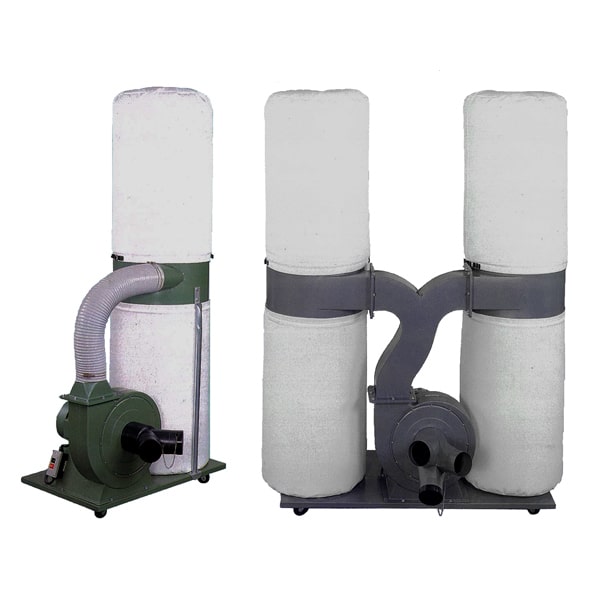
Per i responsabili delle strutture e i professionisti dell'EHS, orientarsi tra gli standard NFPA per i depolveratori portatili rappresenta una complessa sfida di conformità. La distinzione tra NFPA 652 e NFPA 654 è spesso fraintesa, il che porta a lacune critiche nei programmi di sicurezza e a violazioni normative. L'errata applicazione di questi standard può causare esplosioni catastrofiche di polveri, gravi sanzioni OSHA e invalidazione della copertura assicurativa.
Il panorama normativo si sta modificando con il consolidamento degli standard nella NFPA 660, creando un limite alla conformità. Questa evoluzione richiede un'azione immediata. Le organizzazioni devono passare dal considerare i collettori portatili come semplici strumenti di pulizia a riconoscerli come sistemi di sicurezza ingegnerizzati con obblighi di progettazione e funzionamento non negoziabili.
NFPA 652 vs. NFPA 654: focus principale per i collettori portatili
Definizione dei mandati distinti
La NFPA 652 stabilisce i requisiti fondamentali, indipendenti dai processi, per la gestione dei rischi legati alle polveri combustibili. Il suo mandato centrale è l'analisi del rischio di polvere (DHA), un esame sistematico che identifica e valuta i rischi di incendio ed esplosione specifici per le polveri e i processi coinvolti. La NFPA 654 fornisce controlli dettagliati e specifici per l'applicazione di apparecchiature come i depolveratori portatili. La norma amplia i fondamenti della NFPA 652 con precisi criteri tecnici di progettazione, installazione e manutenzione.
Il passaggio strategico alla NFPA 660
L'introduzione della NFPA 660, che consolida questi e altri standard, rappresenta un cambiamento strategico significativo. Le organizzazioni passano da standard segmentati a un codice unificato e obbligatorio. Questo crea un'urgente necessità di analisi delle lacune e di pianificazione del budget, in quanto impone l'aggiornamento dei sistemi e la revisione delle DHA. La conformità non è più facoltativa: è un requisito unificato con implicazioni dirette per la pianificazione del capitale e la gestione del rischio.
Applicazione principale per i sistemi di collettori
Per i depolveratori portatili, questa gerarchia impone un flusso di lavoro specifico per la conformità. La DHA (NFPA 652) identifica il pericolo, mentre la NFPA 654 detta la soluzione ingegneristica. Comprendere questa relazione è il primo passo per costruire un programma di sicurezza difendibile. La tabella seguente chiarisce i ruoli distinti di questi standard chiave.
| Standard | Mandato primario | Applicazione chiave per i collezionisti |
|---|---|---|
| NFPA 652 | Fabbisogno di DHA | Fondamenti di pericolosità per i processi |
| NFPA 654 | Controlli di progettazione e installazione | Criteri di equipaggiamento specifici per l'applicazione |
| NFPA 660 | Codice obbligatorio unificato | La conformità è il limite per gli aggiornamenti |
Fonte: NFPA 652: Standard sui fondamenti della polvere combustibile e NFPA 654: Standard per la prevenzione degli incendi e delle esplosioni di polvere. La NFPA 652 stabilisce i requisiti fondamentali per l'analisi del rischio di polveri (DHA), mentre la NFPA 654 fornisce i requisiti specifici di progettazione e installazione per i sistemi di raccolta delle polveri, comprese le unità portatili.
Requisiti chiave della NFPA 652: il mandato del DHA
La Fondazione non delegabile
L'analisi dei rischi delle polveri è la pietra miliare della conformità e non può essere esternalizzata. La NFPA 652 ne impone il completamento come prima fase, richiedendo a un team multidisciplinare di valutare i pericoli specifici delle polveri raccolte. Ciò include la determinazione di parametri critici di combustibilità come Kst e Pmax. I risultati della DHA dettano direttamente tutte le decisioni successive sulla selezione dei collettori, sul loro posizionamento e sui sistemi di protezione.
Titolarità e cicli di riconvalida
La leadership mantiene la proprietà finale del documento DHA. La sua qualità ha implicazioni strategiche dirette, poiché gli assicuratori lo utilizzano sempre più spesso come strumento primario di valutazione del rischio, collegando direttamente i premi e le condizioni di copertura ai suoi risultati. La DHA non è statica: deve essere rivalutata ogni cinque anni e ogni volta che i processi materiali o i volumi cambiano in modo significativo. In questo modo la DHA diventa un documento finanziario e di sicurezza vivo.
Informare la strategia dei collettori
Per i collettori portatili, il DHA deve analizzare i processi specifici che generano la polvere e le caratteristiche della polvere stessa. Questa analisi risponde a domande fondamentali: La polvere è esplosiva? Qual è la sua sensibilità all'accensione? Le risposte determinano se un collettore a cartuccia standard è sufficiente o se è necessaria un'unità specializzata, come uno scrubber a umido. In base all'esperienza, la svista più comune in una DHA è quella di non analizzare i processi transitori o intermittenti che utilizzano una raccolta portatile, lasciando un pericolo significativo non affrontato.
Requisiti principali della NFPA 654: installazione e progettazione
Specifiche obbligatorie dell'apparecchiatura
La NFPA 654 traduce i risultati del DHA in controlli tecnici concreti. Un requisito primario, spesso violato, è che gli aspirapolvere portatili utilizzati per la pulizia della casa devono essere elencati per le atmosfere di Classe II, Divisione 1, Gruppo G. L'uso di aspirapolvere non elencati è una mancanza critica di conformità. L'uso di aspirapolvere per negozi non elencati è una mancanza critica di conformità. Per le unità di raccolta portatili dedicate, lo standard impone criteri di progettazione rigorosi per prevenire l'accensione e contenere i pericoli.
La canalizzazione come componente di sicurezza ingegnerizzata
Le condutture non sono semplici impianti idraulici, ma un sistema di controllo dell'accensione. La NFPA 654 richiede che le condutture siano metalliche e staticamente conduttive. I collegamenti dei tubi flessibili sono limitati a segmenti corti, staticamente dissipativi e con messa a terra. Il sistema deve mantenere velocità minime di trasporto (tipicamente 3.500 piedi al minuto per le polveri industriali medie) per evitare che all'interno dei condotti si formino depositi pericolosi, che possono diventare una fonte secondaria di combustibile.
Selezione del collettore in funzione del materiale
La scelta dell'apparecchiatura comporta una posta in gioco elevata ed è dettata dalle proprietà della polvere. Per le polveri metalliche altamente esplosive, le linee guida come la NFPA 484 possono indicare esplicitamente che gli scrubber a umido sono più sicuri dei collettori a cartuccia standard. Ciò crea un percorso di selezione binario con gravi conseguenze in caso di applicazione errata. La tabella seguente illustra i principali requisiti di installazione della NFPA 654.
| Componente | Requisito NFPA 654 | Parametri chiave / Specifiche |
|---|---|---|
| Aspiratori portatili | Deve essere elencato | Classe II, Divisione 1, Gruppo G |
| Materiale della canalizzazione | Deve essere metallico | Conduttivo statico |
| Connessioni di tubi flessibili | Lunghezza limitata | Dissipazione statica e messa a terra |
| Velocità minima di trasporto | Necessario per prevenire l'assestamento | ad esempio, 3.500 fpm di polvere media |
| Selezione del collettore (polveri metalliche) | Può essere necessario l'uso di lavapavimenti a umido | Secondo le linee guida NFPA 484 |
Fonte: NFPA 654: Standard per la prevenzione degli incendi e delle esplosioni di polvere. Questa norma fornisce i criteri tecnici specifici per la progettazione e l'installazione delle apparecchiature di raccolta delle polveri, tra cui l'elenco obbligatorio delle apparecchiature, le specifiche dei condotti e la selezione dei collettori specifici per ogni materiale.
Strategie di protezione dalle esplosioni per i depolveratori portatili
Metodi di protezione attiva e passiva
Quando la DHA identifica un rischio di deflagrazione all'interno del collettore, è obbligatoria una protezione integrata contro le esplosioni. I metodi più comuni includono lo sfiato delle esplosioni conforme alla NFPA 68, che dirige la pressione e la fiamma verso un luogo esterno sicuro. Dispositivi di isolamento dell'esplosione sui condotti di ingresso, regolati da NFPA 69, per evitare la propagazione nell'area di lavoro. La scelta tra ventilazione, soppressione o isolamento è una decisione ingegneristica basata sul posizionamento del collettore e sul pericolo specifico.
La decisione sul posizionamento all'interno o all'esterno
Questa decisione rappresenta un importante compromesso in termini di capitale e sicurezza. Le norme NFPA preferiscono fortemente la collocazione all'aperto dei collettori che trattano polveri combustibili. L'installazione all'interno comporta eccezioni rigorose, che richiedono collettori a umido o unità a secco con sistemi di protezione dalle esplosioni completi e integrati. Questa scelta influisce direttamente sul layout dell'impianto, sulla suddivisione in zone del rischio e sul costo complessivo del sistema per decine di migliaia di dollari.
Il passaggio alla convalida dell'intero sistema
La conformità si sta evolvendo dall'acquisto di un collettore elencato alla certificazione di un intero sistema di sicurezza. Questo include sfiati, valvole di isolamento, canalizzazioni e controlli. I criteri di acquisto devono quindi spostarsi verso fornitori che offrono la progettazione e la convalida dell'intero sistema, una tendenza consolidata dal passaggio alla NFPA 660. La tabella seguente riassume le principali strategie di protezione.
| Metodo di protezione | Standard di riferimento | Applicazione tipica / Innesco |
|---|---|---|
| Sfiato per esplosione | NFPA 68 | Collettore situato all'interno |
| Isolamento dalle esplosioni | NFPA 69 | Impedisce la propagazione allo spazio di lavoro |
| Collocazione all'aperto | Strategia preferita NFPA 654 | Evita le eccezioni rigide per gli ambienti interni |
| Posizionamento all'interno (eccezione) | Richiede un sistema di protezione completo | Collettore a umido o unità a secco protetta |
| Convalida dell'intero sistema | Tendenza NFPA 660 | Approvvigionamento di soluzioni ingegneristiche |
Fonte: NFPA 68: Standard sulla protezione dalle esplosioni tramite sfiato per deflagrazione e NFPA 69: Standard sui sistemi di prevenzione delle esplosioni. La NFPA 68 disciplina la progettazione degli sfiati di deflagrazione, un metodo di protezione comune, mentre la NFPA 69 riguarda i sistemi di prevenzione attiva come l'isolamento, entrambi fondamentali per i collettori con rischi di deflagrazione identificati.
Requisiti critici di pulizia e aspirazione (NFPA 652)
Gestire l'accumulo come metrica misurabile
Un'efficace gestione della casa è un requisito legale con parametri definiti. La NFPA 652 richiede di gestire gli accumuli di polvere per evitare che gli strati superino una “profondità critica” definita, come 1/32 di pollice per molte polveri. Questo trasforma l'accumulo di polvere da un problema di pulizia in una violazione della conformità misurabile. Per dimostrare la conformità sono necessarie ispezioni regolari e documentazione.
Strumenti obbligatori e metodi vietati
Lo standard richiede che la rimozione della polvere avvenga esclusivamente con metodi sicuri. L'uso di aria compressa per la pulizia è esplicitamente vietato, in quanto crea nuvole di polvere pericolose ed esplosive. L'unico metodo approvato per la rimozione della polvere combustibile accumulata è l'aspirazione con apparecchiature omologate per gli ambienti di Classe II, Divisione 1, Gruppo G. In questo modo, la manutenzione dell'impianto diventa una procedura verificabile con strumenti specifici.
Prevenzione delle esplosioni secondarie
La scelta corretta del vuoto è un punto di controllo fondamentale. Le esplosioni secondarie, spesso più distruttive dell'evento iniziale, hanno spesso origine dalla polvere accumulata su pavimenti, travi e apparecchiature al di fuori del collettore primario. L'utilizzo di un vuoto corretto e conforme ai requisiti è una difesa primaria contro questa reazione a catena. I requisiti sono riassunti di seguito.
| Requisiti | Soglia misurabile | Strumento / Metodo obbligatorio |
|---|---|---|
| Limite di accumulo della polvere | Soglia di profondità critica | Ad esempio, 1/32 di pollice per la maggior parte delle polveri. |
| Metodo di pulizia | È necessaria una rimozione sicura | Solo aspirapolvere elencati |
| Specifiche dell'aspirapolvere | Deve essere elencato | Classe II, Div. 1, Gruppo G |
| Metodo di pulizia vietato | Aria compressa vietata | Crea pericolose nubi di polvere |
Fonte: NFPA 652: Standard sui fondamenti della polvere combustibile. Questo standard impone di gestire gli accumuli di polvere per evitare strati pericolosi e specifica che la rimozione deve essere eseguita con metodi sicuri, richiedendo esplicitamente attrezzature elencate e vietando pratiche non sicure come l'uso di aria compressa.
Mantenere la conformità: Ispezione, SOP e formazione
Il programma di ispezione, collaudo e manutenzione
La conformità continua richiede un programma ITM documentato. Ciò include l'ispezione regolare dei condotti per verificare la presenza di perdite o accumuli, il controllo della pressione differenziale dei filtri, la verifica dell'integrità dei dispositivi di protezione dalle esplosioni e la manutenzione dei componenti meccanici per evitare il surriscaldamento dovuto all'attrito o al disallineamento. Tutte le registrazioni delle ispezioni e della manutenzione devono essere conservate come prova della dovuta diligenza.
Sviluppo di procedure operative standard efficaci
Le SOP scritte sono obbligatorie e devono riguardare l'avvio, il funzionamento e lo spegnimento in sicurezza dei sistemi di raccolta portatili. Queste procedure devono basarsi sui risultati del DHA e sulle istruzioni del produttore. Devono affrontare rischi specifici, come ad esempio assicurarsi che il collettore sia in funzione prima di avviare l'apparecchiatura di processo collegata, per evitare che la polvere si depositi nei condotti.
Formazione obbligatoria per i dipendenti
La NFPA 652 richiede che tutto il personale interessato riceva una formazione iniziale e un aggiornamento annuale. La formazione deve riguardare i rischi specifici della polvere, il corretto funzionamento delle attrezzature di raccolta, le procedure di emergenza e i protocolli di manutenzione. Questo approccio sistematico trasforma la conformità da un'installazione statica a una disciplina operativa dinamica, riducendo l'errore umano.
Violazioni comuni e come evitarle
Risultati di audit frequenti
Le violazioni più comuni derivano dal fatto che gli standard vengono trattati come una lista di controllo piuttosto che come un sistema integrato. Tra queste, l'uso di aspiratori non elencati, l'impiego di condotti in plastica non conduttivi o di tubi flessibili, la possibilità di far scendere la velocità dei condotti al di sotto dei valori minimi e l'omissione del collegamento e della messa a terra di tutti i componenti conduttivi. Un altro errore critico è quello di collocare un collettore all'interno senza la protezione antideflagrante richiesta dal DHA.
Cause profonde e soluzioni sistemiche
La causa principale è spesso una disconnessione tra l'approvvigionamento e la progettazione. Le strutture acquistano le apparecchiature in base al prezzo e al flusso d'aria, senza una DHA che informi sui requisiti specifici dei materiali. Per evitare questo problema, l'approvvigionamento deve passare dall'acquisto transazionale all'acquisto di soluzioni complete e ingegnerizzate. È fondamentale rivolgersi a fornitori che offrano servizi di conformità NFPA per l'intero sistema.
Un quadro per la prevenzione
La prevenzione richiede un processo disciplinato e mirato. Iniziate con un'accurata DHA. Utilizzate i risultati per creare le specifiche tecniche per tutti gli acquisti. Assicuratevi che l'ingegneria esamini tutti i progetti dei sistemi di raccolta per il controllo statico, la velocità e la messa a terra. La tabella seguente illustra le insidie più comuni e le strategie di prevenzione.
| Violazione comune | Causa principale | Strategia di prevenzione |
|---|---|---|
| Aspiratori per negozi non elencati | Sottovalutare il pericolo | Procurare Classe II, Div. 1, Gruppo G |
| Condotti in plastica non conduttivi | Selezione errata del materiale | Utilizzare un condotto metallico a conduzione statica. |
| Bassa velocità del condotto | Scarsa progettazione del sistema | Mantenere i minimi (ad esempio, 3.500 fpm). |
| Collegamento/messa a terra mancante | Ignorare il controllo statico | Mettere a terra tutti i componenti conduttivi |
| Applicazione errata dei collettori per interni | Ignorare i risultati del DHA | Seguire la protezione prescritta da DHA |
Fonte: Documentazione tecnica e specifiche industriali. Queste insidie comuni derivano dai frequenti risultati delle verifiche e dalle azioni esecutive relative alla conformità alle norme NFPA 652 e 654, che sottolineano la necessità di una progettazione a livello di sistema e di un'aderenza all'analisi dei rischi per le polveri.
Implementazione di un sistema di raccolta portatile conforme
Seguire la gerarchia dei processi di sicurezza
Un'implementazione di successo segue una gerarchia rigorosa. Si inizia con una DHA adeguatamente studiata per definire il pericolo. Ciò informa la scelta strategica tra posizionamento all'interno e all'esterno e la selezione di apparecchiature adeguatamente catalogate. Il sistema deve poi essere progettato secondo le specifiche NFPA 654, con canalizzazioni corrette, velocità e protezione antideflagrante integrata, ove richiesto.
Integrazione dei controlli amministrativi e tecnici
Controlli amministrativi solidi - POS, ITM e formazione - assicurano che il sistema ingegnerizzato funzioni in modo sicuro nel tempo. Questo approccio integrato considera la conformità non come un costo ma come un'iniziativa di eccellenza operativa. Giustifica l'investimento di capitale, riduce il rischio catastrofico e soddisfa l'evoluzione della sottoscrizione assicurativa. Per le strutture che trattano materiali diversi, la scelta di un sistema versatile e ben progettato è fondamentale. sistema portatile di raccolta delle polveri industriali che può essere configurato per rischi specifici è spesso il percorso più efficiente per raggiungere la conformità.
I punti chiave sono chiari: commissionare una DHA credibile, lasciare che sia essa a dettare la strategia di equipaggiamento e posizionamento e costruire un programma per una disciplina operativa continua. Questo quadro trasforma la complessità normativa in un processo di ingegneria e gestione gestibile. Protegge il personale, i beni e la continuità delle operazioni.
Avete bisogno di una guida professionale per orientarvi tra le NFPA 652 e 654 per le vostre operazioni specifiche? PORVOO fornisce soluzioni ingegnerizzate per la raccolta delle polveri, progettate in base ai principi di conformità e sicurezza. Il nostro team può aiutarvi a implementare un sistema che soddisfi i requisiti operativi e normativi. Contatto per discutere i requisiti della vostra applicazione.
Domande frequenti
D: In che modo l'imminente standard NFPA 660 cambia la nostra strategia di conformità per i depolveratori portatili?
R: L'NFPA 660 consolida gli standard NFPA 652, 654 e altri in un unico codice obbligatorio, creando uno scoglio di conformità. Le organizzazioni passano così da una guida segmentata a requisiti unificati e non negoziabili. È necessario condurre un'analisi delle lacune rispetto al nuovo codice, che probabilmente imporrà aggiornamenti del sistema e revisioni delle analisi del rischio di polvere (DHA). Per i progetti in cui i budget sono pianificati annualmente, è necessario accelerare la pianificazione del capitale e coinvolgere partner ingegneristici che garantiscano la convalida dell'intero sistema in base al nuovo standard consolidato.
D: Quale aspirapolvere specifico è necessario per la gestione delle polveri combustibili e perché un normale aspirapolvere da negozio non è sufficiente?
R: Le norme NFPA 652 e 654 impongono l'utilizzo di aspiratori omologati per atmosfere di Classe II, Divisione 1, Gruppo G. Gli aspiratori da officina standard non hanno il design necessario per prevenire l'accensione da scintille interne o scariche elettrostatiche. Questo trasforma la manutenzione interna in una procedura verificabile con strumenti definiti. Se la vostra azienda utilizza attualmente aspiratori non elencati, prevedete di sostituirli immediatamente, poiché si tratta di una violazione comune che gli assicuratori esaminano e che può portare a esplosioni secondarie dovute alla polvere accumulata.
D: Quando è necessario un wet scrubber rispetto a un depolveratore portatile standard a cartuccia?
R: La scelta è dettata dai risultati dell'analisi di pericolosità delle polveri, in particolare dai parametri di esplosività della polvere. Per le polveri metalliche altamente esplosive, le linee guida sono le seguenti NFPA 484 possono indicare esplicitamente i depuratori a umido come l'opzione più sicura. Questo crea un percorso di selezione binario con gravi conseguenze in caso di applicazione errata. Gli impianti che trattano polveri metalliche o altre polveri ad alto tenore di Kst dovrebbero dare la priorità ai sistemi di raccolta a umido nei loro criteri di acquisto per ridurre il rischio di deflagrazione alla fonte.
D: Quali sono i principali requisiti di progettazione per la canalizzazione collegata a un depolveratore portatile?
R: La NFPA 654 richiede che la canalizzazione sia metallica, statico-conduttiva e adeguatamente messa a terra. Le connessioni flessibili devono essere corte, statico-dissipative e collegate. Il sistema deve anche mantenere velocità minime di trasporto, come 3.500 piedi al minuto per la tipica polvere industriale, per evitare pericolosi depositi all'interno dei condotti. Ciò significa che le condotte sono progettate per il controllo dell'accensione, non solo per l'impianto idraulico. Per qualsiasi retrofit del sistema, è necessario specificare questi criteri di materiale e velocità per evitare una comune violazione della conformità.
D: Come si decide se collocare un depolveratore portatile all'interno o all'esterno?
R: La decisione è un importante compromesso in termini di capitale e di sicurezza, dettato dalla DHA e dalla NFPA 654 che preferiscono fortemente la collocazione all'esterno. L'installazione di un collettore all'interno comporta eccezioni rigorose che richiedono un collettore a umido o un'unità a secco con un sistema di protezione antideflagrante completo e integrato. NFPA 69. Se il layout dell'impianto o il processo richiede una collocazione all'interno, è necessario prevedere costi e complessità significativamente maggiori per i sistemi di sfiato, isolamento o soppressione delle esplosioni.
D: Quali sono i requisiti di conformità continua per un'analisi dei rischi per la polvere dopo il suo completamento?
R: Una DHA non è un esercizio una tantum. La NFPA 652 prevede che venga riconfermata ogni cinque anni e ogni volta che si verifica un cambiamento di processo che potrebbe introdurre nuovi pericoli. La leadership mantiene la proprietà di questo documento vivo. Ciò significa che dovete programmare rivalutazioni formali e integrare la revisione della DHA nella vostra procedura di gestione del cambiamento (MOC), poiché gli assicuratori collegano sempre più spesso i premi e le condizioni di copertura ai risultati attuali e all'attuazione dei controlli.
D: Quale protezione antideflagrante è richiesta per un depolveratore portatile installato all'interno?
R: Se il DHA identifica un rischio di deflagrazione ed è necessario un posizionamento all'interno, è obbligatoria una protezione integrata contro le esplosioni. I metodi più comuni includono NFPA 68-e dispositivi di isolamento delle esplosioni sui condotti di ingresso per impedire la propagazione delle fiamme nell'area di lavoro. Questo sposta la conformità dall'acquisto di un collettore elencato alla certificazione di un intero sistema di sicurezza. Per le installazioni interne, è necessario collaborare con fornitori che forniscano la progettazione e garantiscano le prestazioni dell'intero gruppo protetto.