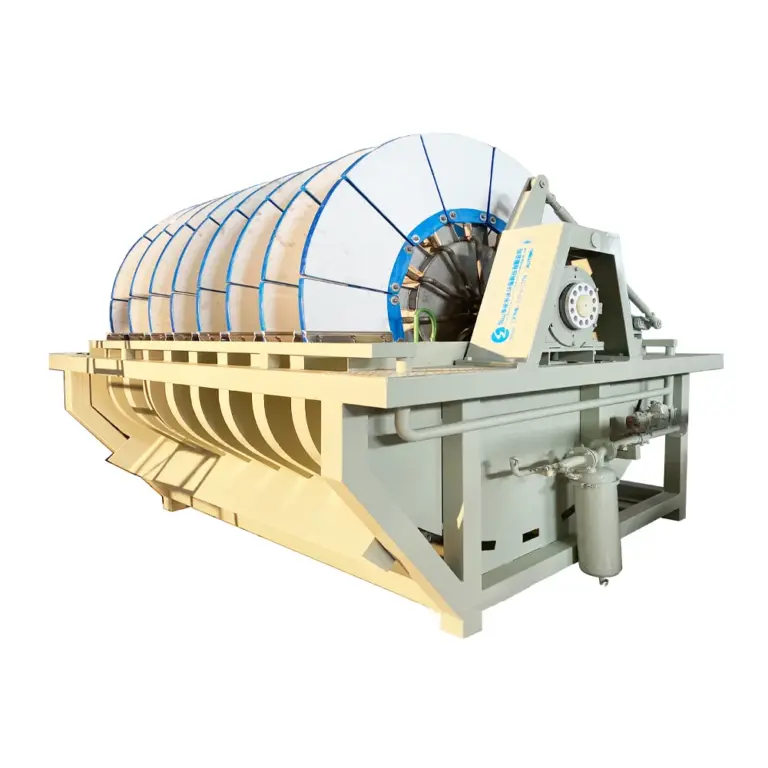
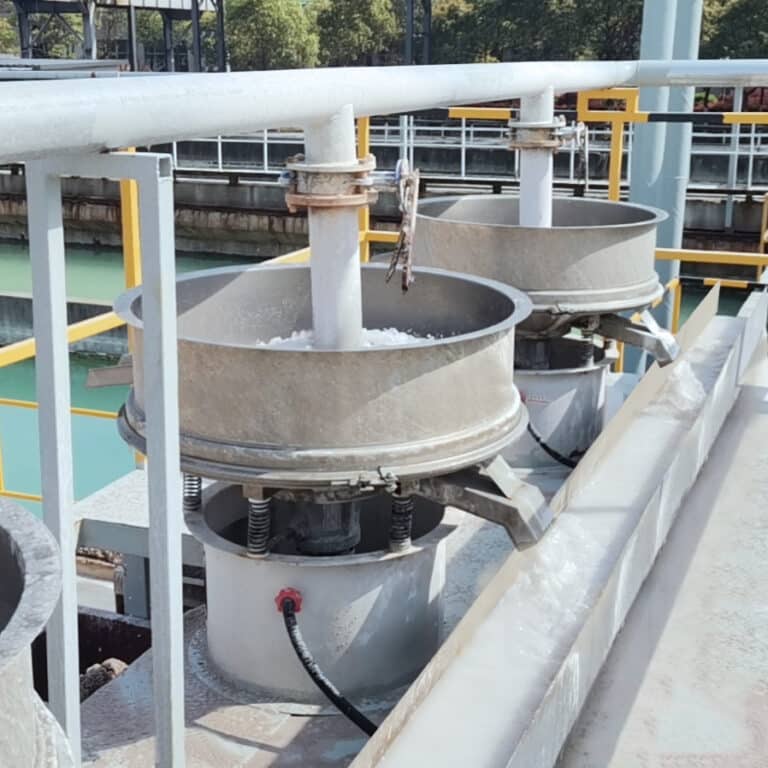
L'integrazione di un filtro a dischi ceramici sottovuoto con un circuito di ispessimento esistente trasforma due operazioni separate in un unico sistema di disidratazione ad alta efficienza. La sfida non sta nell'installazione dell'apparecchiatura, ma nel realizzare un processo sincronizzato in cui le prestazioni di ciascun componente amplificano quelle dell'altro. Un'idea sbagliata comune è che un filtro possa essere semplicemente imbullonato su una linea di sottoflusso; in realtà, una scarsa integrazione porta all'instabilità idraulica, a un'alimentazione incoerente e all'impossibilità di ottenere i radicali risparmi operativi promessi dalla tecnologia ceramica.
Questa integrazione è ora una priorità strategica. In un'epoca incentrata sulla conservazione dell'acqua, sull'efficienza energetica e sulla gestione degli sterili, un circuito addensatore-filtro ben orchestrato è fondamentale. Massimizza il recupero dell'acqua, riduce al minimo il volume degli scarti e trasforma un centro di costo in un processo orientato al valore. Il seguente schema fornisce un percorso guidato dai dati per un'integrazione di successo, passando dalla valutazione al funzionamento ottimizzato.
Passi fondamentali per un progetto di integrazione di successo
Definizione della filosofia di integrazione
Il successo dell'integrazione richiede una mentalità a livello di circuito fin dall'inizio. L'addensatore e il filtro devono essere progettati come componenti interdipendenti di un unico ciclo di processo, non come apparecchiature indipendenti. Questa filosofia detta tutte le fasi successive, dai test iniziali alla logica di controllo. Un approccio frammentato con più fornitori per la progettazione, le apparecchiature e i controlli introduce lacune di responsabilità e debiti tecnici che compromettono le prestazioni a lungo termine.
La fase pre-progetto non negoziabile
La pietra miliare di questa filosofia è la convalida empirica. Gli esperti del settore raccomandano di condurre test su scala di banco per caratterizzare la “filtrabilità” di uno specifico impasto. Questi dati sono insostituibili per il corretto dimensionamento del filtro, la scelta della dimensione dei pori della membrana ceramica e la previsione del rendimento. Secondo le ricerche condotte negli studi di lavorazione mineraria, saltare questa fase è la causa principale di prestazioni insufficienti nelle ristrutturazioni di aree industriali dismesse, che spesso portano a costose riprogettazioni. Abbiamo confrontato progetti con e senza test rigorosi e abbiamo scoperto che i primi hanno raggiunto gli obiettivi di ramp-up 40% più velocemente.
Il valore della leadership unipolare
Per ridurre la complessità dell'integrazione, affidatevi a un fornitore che offra un'unica leadership di progetto. Questo garantisce una responsabilità unificata dalla fattibilità e dalla progettazione fino alla messa in servizio e all'ottimizzazione. Un partner di questo tipo agisce come architetto della soluzione, assicurando un trasferimento di conoscenze senza soluzione di continuità tra le fasi e allineando tutte le decisioni di progettazione con l'obiettivo generale dell'ottimizzazione del circuito, non solo della fornitura di apparecchiature.
Valutazione dell'addensatore e del sistema di fanghi esistente
Verifica delle prestazioni degli ispessitori
L'addensatore è il cuore del sistema integrato. Le sue prestazioni determinano direttamente l'efficienza del filtro. Un audit completo del sito deve valutare la sua capacità, la consistenza della densità del flusso di sotto e la chiarezza del flusso di sopra. L'obiettivo è determinare se l'addensatore può servire come fonte di alimentazione affidabile e costante o se necessita di aggiornamenti. Tra i dettagli facilmente trascurati vi sono l'andamento della coppia di rastrelli e l'usura della pompa di mandata, che segnalano una potenziale instabilità che si amplificherà a valle.
Caratterizzazione della filtrabilità dei fanghi
Contemporaneamente, è necessario caratterizzare il fango di sottoflusso dell'ispessitore. Lo screening specializzato dei flocculanti e l'analisi reologica sono fondamentali per ottimizzare questa fase a monte. La viscosità, la distribuzione granulometrica e la composizione chimica del fango ne determinano la filtrabilità, essenziale per la scelta della membrana ceramica corretta. Trascurare quest'analisi compromette l'economia dell'intero sistema, poiché una membrana non correttamente specificata si guasta rapidamente o non raggiunge l'essiccazione desiderata del panello.
La tabella seguente illustra i parametri critici da valutare in questa fase:
Parametri chiave di valutazione del sistema
| Focus sulla valutazione | Parametro chiave | Obiettivo/Obiettivo di ottimizzazione |
|---|---|---|
| Capacità dell'addensatore | Volume di produzione | Corrisponde alla domanda di alimentazione del filtro |
| Densità del flusso in entrata | Consistenza e pompabilità | Massimizzare entro i limiti |
| Chiarezza del trabocco | Contenuto solido | Ridurre al minimo il recupero dell'acqua |
| Filtrabilità dei fanghi | Risultato del test su scala di banco | Dimensione corretta dei pori della membrana |
| Analisi reologica | Viscosità e comportamento del flusso | Ottimizzare il dosaggio del flocculante |
Fonte: Documentazione tecnica e specifiche industriali.
Progettazione dell'interfaccia meccanica e delle tubazioni
Pianificazione territoriale e strutturale
L'integrazione meccanica richiede una pianificazione meticolosa dello spazio, del carico a terra e del flusso di materiali. Valutare l'ingombro disponibile per il filtro, il serbatoio di alimentazione, il sistema di aspirazione e le apparecchiature ausiliarie. L'analisi strutturale è fondamentale, soprattutto per le ristrutturazioni, per garantire che il pavimento possa sostenere i carichi dinamici. Secondo la nostra esperienza, l'utilizzo di apparecchiature modulari e imbullonate progettate dai fornitori accelera questa fase, semplificando la logistica e riducendo al minimo la fabbricazione in loco, fondamentale per ridurre i tempi di inattività dell'impianto.
Progettazione del percorso del flusso
L'interfaccia delle tubazioni è la rete di circolazione del sistema. La linea di alimentazione deve essere collegata al filtro dalla pompa di alimentazione dell'ispessitore o da un nuovo serbatoio tampone agitato, utilizzando materiali resistenti all'usura come tubi rivestiti in ceramica o in polietilene ad alta densità per i fanghi abrasivi. Gli scivoli di scarico del prodotto devono integrarsi con i nastri trasportatori esistenti e le linee di ritorno del filtrato devono collegarsi al circuito idrico dell'impianto. Ogni giunzione deve essere progettata per garantire l'accessibilità e la manutenzione, evitando future strozzature.
Integrazione di sistemi di controllo e automazione
Stabilire i protocolli di comunicazione
L'integrazione del controllo è il “collante” operativo. Il controllore logico programmabile (PLC) del filtro deve comunicare senza problemi con il sistema di controllo distribuito (DCS) o il sistema SCADA dell'impianto esistente tramite protocolli standard come OPC UA o Modbus TCP. Ciò consente il monitoraggio centralizzato e la storicizzazione dei dati. L'integrazione deve rispettare gli standard di sicurezza funzionale, ove applicabili, garantendo una visione operativa unificata.
Implementazione dei loop di controllo dinamico
Il vero valore emerge dalle strategie di controllo dinamico. Una filosofia di controllo unificata dovrebbe creare dei loop in cui la velocità di alimentazione del filtro si regola automaticamente in risposta alla densità dell'addensatore in tempo reale e al livello del serbatoio tampone, evitando il sovraccarico idraulico o l'inedia. La prossima evoluzione sfrutta i controlli guidati dall'intelligenza artificiale per sincronizzare le prestazioni dell'addensatore, il dosaggio dei polimeri e i parametri del filtro in tempo reale, massimizzando la stabilità e l'efficienza al di là di quanto possano fare le unità indipendenti. Investire in questa architettura interoperabile è essenziale per liberare tutto il valore latente dell'integrazione fisica.
Ottimizzazione dei parametri operativi dopo l'installazione
Regolazione del bilanciamento addensatore-filtro
La messa a punto post-installazione si concentra su parametri interdipendenti. La prima priorità è quella di massimizzare la densità del flusso sotterraneo dell'ispessitore entro i limiti di pompabilità, in quanto un'alimentazione più densa migliora direttamente il rendimento del filtro e l'essiccazione del panello. Per quanto riguarda il filtro, i tecnici devono regolare l'immersione del disco, la velocità di rotazione e il livello di vuoto per trovare l'equilibrio ottimale tra il contenuto di umidità del prodotto e la capacità di filtrazione. Si tratta di un processo iterativo che richiede un'attenta osservazione dell'intero circuito.
Mantenimento delle prestazioni della membrana
Un compito critico e spesso sottovalutato è l'ottimizzazione della frequenza e della durata del controlavaggio per mantenere la permeabilità delle membrane ceramiche. Le membrane ceramiche scambiano una maggiore spesa iniziale di capitale con un radicale risparmio operativo, ma solo se mantenute correttamente. I dati seguenti illustrano i vantaggi operativi che l'ottimizzazione diligente dei parametri consente di ottenere:
Obiettivi di ottimizzazione post-installazione
| Componente del sistema | Parametro operativo | Obiettivo tipico / Beneficio |
|---|---|---|
| Addensante | Densità del flusso in entrata | Massimizzare la pompabilità |
| Filtro in ceramica | Sommersione del disco | Bilanciare l'umidità della torta |
| Filtro in ceramica | Velocità di rotazione | Ottimizzare la capacità |
| Filtro in ceramica | Livello di vuoto | Regolare la secchezza della torta |
| Manutenzione della membrana | Frequenza di controlavaggio | Mantenere la permeabilità |
| Risultato chiave | Riduzione dell'energia | Fino a 85% rispetto alle alternative |
| Risultato chiave | Durata di vita della membrana | Fino a 24 mesi |
Fonte: Documentazione tecnica e specifiche industriali.
Gestione dei problemi comuni di integrazione e soluzioni
Anticipazione dei problemi di alimentazione e controllo
La variabilità dell'alimentazione dall'addensatore è un fattore di disturbo primario. La soluzione è un robusto serbatoio di alimentazione agitato che disaccoppia i due processi, combinato con una logica di controllo basata sulla densità per regolare il flusso verso il filtro. Un'altra sfida è la nuova dipendenza dalle conoscenze operative creata dal sistema integrato. Le prestazioni ottimali richiedono una profonda comprensione dell'interazione specifica tra le apparecchiature, che deve essere gestita attraverso una formazione mirata degli operatori e una documentazione completa.
Affrontare le sfide dei materiali e della chimica
L'incrostazione della membrana da parte di minerali o sali specifici richiede una mitigazione proattiva attraverso l'analisi del pretrattamento e la selezione della chimica della membrana, seguita da protocolli di pulizia ottimizzati. Per gli impasti abrasivi, l'usura non è un se ma un quando. La scelta di materiali resistenti all'usura nelle linee di alimentazione e scarico ad alta velocità durante la fase di progettazione previene i guasti prematuri e i tempi di inattività non pianificati.
La tabella seguente riassume questi ostacoli comuni e le relative soluzioni:
Sfide dell'integrazione e strategie di mitigazione
| Sfida comune | Soluzione primaria | Azione tecnico-operativa |
|---|---|---|
| Variabilità dei mangimi | Sistema di alimentazione robusto | Serbatoio tampone agitato |
| Interruzione del controllo | Logica di controllo dinamico | Velocità di avanzamento basata sulla densità |
| Incrostazioni della membrana | Pretrattamento e selezione | Chimica specifica del minerale |
| Usura di fanghi abrasivi | Specifiche del materiale | Tubazioni resistenti all'usura |
| Dipendenza dalla conoscenza | Formazione e assistenza | Programmi mirati per gli operatori |
Fonte: Documentazione tecnica e specifiche industriali.
Calcolo del ROI e giustificazione dell'investimento
Passaggio a un modello di costo totale di proprietà
La giustificazione finanziaria deve basarsi su un'analisi del costo totale di proprietà (TCO) pluriennale, non solo sul costo iniziale del capitale. Sebbene i filtri ceramici richiedano un investimento iniziale più elevato, il ROI è determinato da radicali risparmi operativi. Un modello TCO cattura il quadro finanziario completo, contrapponendo il filtro tradizionale, che richiede un investimento elevato, all'alternativa ceramica, che consente di risparmiare sui costi operativi, su un periodo di 5-10 anni.
Quantificazione dei risparmi operativi
L'aspetto economico più interessante riguarda le spese operative. La tecnologia ceramica consente di ridurre drasticamente il consumo energetico, fino a 85% in meno rispetto ai filtri a vuoto tradizionali. Inoltre, riduce il fabbisogno di flocculanti grazie a una maggiore limpidezza dell'addensatore ed elimina i costi di sostituzione dei supporti in tessuto. Inoltre, la produzione di una torta più asciutta riduce i costi di smaltimento o di trasporto e la possibilità di restituire il filtrato di alta qualità direttamente al processo riduce l'apporto di acqua dolce. Nella nostra analisi, il periodo di ammortamento dei sistemi ceramici integrati è spesso compreso tra 18 e 36 mesi, grazie a questi risparmi cumulativi.
L'impatto finanziario nelle principali categorie è illustrato di seguito:
Analisi del ROI: Impatto Capex vs. Opex
| Categoria di costo | Filtro ceramico Caratteristiche | Impatto finanziario |
|---|---|---|
| Spese in conto capitale (Capex) | Investimento iniziale più elevato | Aumento dei costi iniziali |
| Spese operative (Opex) | Risparmio energetico radicale | Riduzione ~85% |
| Spese operative (Opex) | Sostituzione minima dei supporti | Durata della membrana di 24 mesi |
| Spese operative (Opex) | Riduzione del fabbisogno di flocculante | Migliore chiarezza dell'addensante |
| Gestione dei sottoprodotti | Panello filtrante più asciutto | Minori costi di trasporto/smaltimento |
| Gestione dell'acqua | Filtrato di alta qualità | Riduzione dell'uso di acqua dolce |
Fonte: Documentazione tecnica e specifiche industriali.
I prossimi passi: Pianificare l'integrazione del sistema
Iniziate a collaborare con un architetto di soluzioni, non solo con un fornitore di componenti. Il vantaggio competitivo si è spostato su fornitori come PORVOO che possiedono un'esperienza globale nei processi di ispessimento, filtrazione e trattamento dei fanghi, in quanto possono fornire garanzie di prestazioni a livello di sistema. Sviluppare un piano di progetto che dia priorità alla fase iniziale di verifica e di test, che sfrutti la progettazione modulare per l'efficienza dei tempi e che incorpori una filosofia di controllo avanzata e interoperabile fin dall'inizio.
Avete bisogno di una verifica dettagliata del vostro circuito di ispessimento e di un'analisi di fattibilità per l'integrazione di un filtro a dischi ceramici sottovuoto? Il team di ingegneri di PORVOO è specializzata nella progettazione di sistemi di disidratazione ottimizzati e automatizzati che garantiscono prestazioni e ritorno economico. Per una consulenza tecnica, potete anche Contatto per discutere delle caratteristiche specifiche del vostro liquame e degli obiettivi di integrazione.
Domande frequenti
D: Come si convalida la fattibilità dell'integrazione di un filtro a dischi ceramici con un ispessitore esistente?
R: È necessario iniziare con una rigorosa fase di benchmarking pre-progetto, che comprenda test su scala di banco dedicati per prevedere empiricamente la filtrabilità del liquame. L'uso di modelli di intelligenza artificiale in questa fase aiuta a convalidare le prestazioni e il dimensionamento prima dell'impegno di capitale. Ciò significa che saltare la convalida empirica aumenta significativamente il rischio di prestazioni insufficienti, quindi dovreste dare priorità a questo lavoro di prova come primo passo non negoziabile nel vostro piano di progetto.
D: Qual è il fattore più critico a monte per l'efficienza del filtro ceramico in un circuito integrato?
R: Le prestazioni e la consistenza dell'ispessitore esistente sono il presupposto fondamentale. Una verifica completa del sito deve valutare la capacità dell'ispessitore, la stabilità della densità del flusso sotterraneo e la limpidezza del flusso in uscita per determinare se sono necessari aggiornamenti. Per le operazioni con flusso in uscita variabile, è necessario investire nell'ottimizzazione dell'addensatore o in un robusto serbatoio tampone per garantire una fonte di alimentazione affidabile per il filtro.
D: Quali sono le considerazioni chiave per la progettazione dell'interfaccia meccanica in un retrofit di un'area industriale dismessa?
R: È necessario valutare i vincoli spaziali, il carico del pavimento e il progetto del percorso del flusso per le tubazioni di alimentazione, scarico del prodotto e ritorno del filtrato. L'utilizzo di apparecchiature modulari e imbullonate da parte del fornitore accelera la fabbricazione e riduce al minimo le saldature in loco. Se l'obiettivo è quello di ridurre i tempi di inattività dell'impianto durante l'installazione, si dovrebbe dare la priorità ai fornitori che offrono queste soluzioni modulari rispetto alle unità tradizionali costruite su misura.
D: Come devono essere integrati i sistemi di controllo per sincronizzare l'ispessitore e il filtro come un unico circuito?
R: Il PLC del filtro deve comunicare con il DCS o lo SCADA dell'impianto esistente per consentire il monitoraggio centralizzato e i cicli di controllo dinamico. Una strategia unificata dovrebbe far sì che la velocità di alimentazione del filtro risponda automaticamente alla densità dell'addensatore e al livello del serbatoio tampone. Per i progetti che mirano a massimizzare la stabilità, investire in questa architettura di controllo interoperabile fin dall'inizio è essenziale per sbloccare il pieno valore dell'integrazione fisica.
D: Quali parametri operativi devono essere ottimizzati dopo l'installazione per ottenere un risparmio sul costo totale di proprietà?
R: La messa a punto successiva all'installazione si concentra su parametri interdipendenti: massimizzare la densità del flusso sotterraneo dell'addensatore entro i limiti di pompabilità, quindi regolare l'immersione del disco del filtro, la velocità di rotazione e il livello di vuoto per bilanciare l'umidità del prodotto con la capacità. È fondamentale ottimizzare la frequenza di controlavaggio per mantenere la permeabilità della membrana. Questa diligente ottimizzazione è la chiave per ottenere i radicali risparmi Opex, come una riduzione del consumo energetico di 85%, che giustificano la spesa di capitale più elevata.
D: Come si gestisce la variabilità dell'alimentazione dell'ispessitore per evitare l'interruzione del filtro?
R: Risolvete questo problema comune implementando un serbatoio di alimentazione agitato combinato con una logica di controllo basata sulla densità per la velocità di alimentazione del filtro. In questo modo si crea una riserva e un sistema reattivo che attenua le incongruenze. Gli impianti con prestazioni storicamente instabili degli ispessitori dovrebbero quindi prevedere e progettare questa capacità tampone e una logica di controllo avanzata come parte integrante dell'integrazione.
D: Come si calcola con precisione il ROI di un progetto di integrazione di un filtro a dischi ceramici?
R: La giustificazione deve basarsi su un'analisi del costo totale di proprietà pluriennale, non sul costo iniziale. Il ROI è determinato da radicali risparmi Opex: consumi energetici drasticamente ridotti, minore richiesta di flocculante grazie alla maggiore limpidezza dell'ispessitore e costi minimi di sostituzione dei materiali. Ciò significa che, per ottenere un modello finanziario credibile, è necessario quantificare i vantaggi a valle, come i risparmi sullo smaltimento dei panelli dell'essiccatore e la riduzione dell'apporto di acqua dolce grazie al riutilizzo del filtrato di alta qualità.