Bagi para insinyur proses industri dan manajer pabrik, menentukan sistem pemisahan padat-cair adalah keputusan modal yang penting. Pilihannya sering kali berpusat pada teknologi fundamental: pers filter pelat dan bingkai. Namun, kesalahpahaman yang umum terjadi adalah memandangnya sebagai solusi universal. Profil operasional dan pertukaran strategisnya berbeda, membuatnya ideal untuk ceruk tertentu tetapi tidak efisien untuk yang lain. Kesalahan penerapan menyebabkan kebocoran kronis, biaya tenaga kerja yang tinggi, dan kinerja di bawah standar.
Memahami perbedaan-perbedaan ini adalah yang terpenting. Karena mandat keberlanjutan semakin ketat dan efisiensi operasional menjadi indikator kinerja utama, pemilihan teknologi filtrasi yang tepat secara langsung berdampak pada biaya pembuangan limbah, tingkat pemulihan air, dan waktu kerja produksi. Panduan ini memberikan kejelasan teknis yang diperlukan untuk menyelaraskan tujuan pemisahan Anda dengan spesifikasi peralatan yang benar.
Bagaimana Cara Kerja Mesin Press Filter Pelat dan Bingkai?
Prinsip Operasional Inti
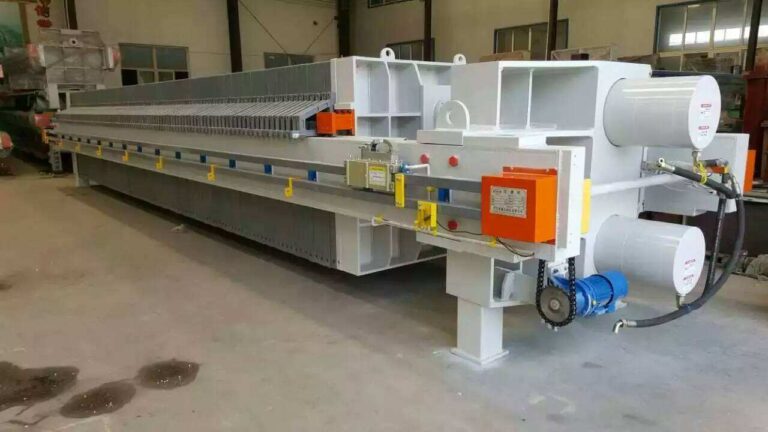
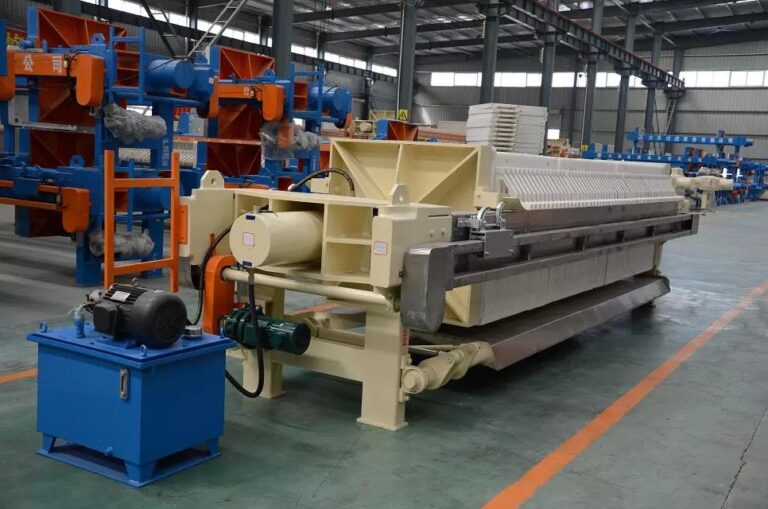
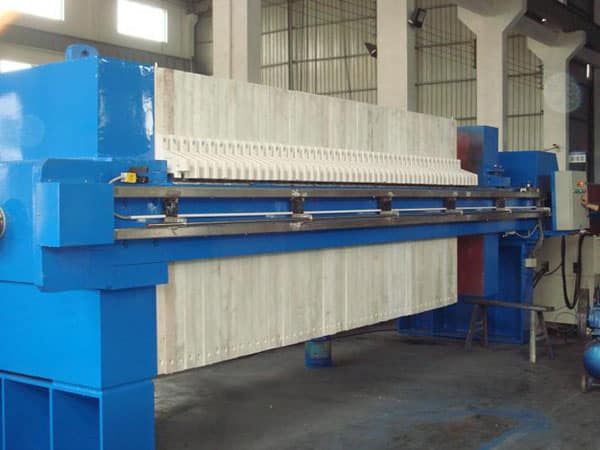
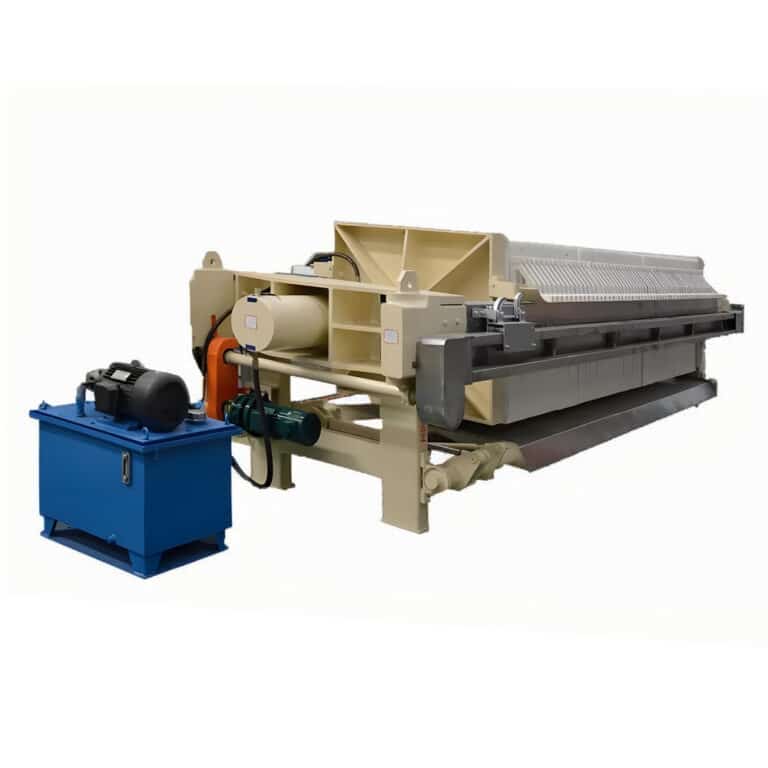
Mesin penyaring pelat dan bingkai adalah perangkat penyaringan tekanan batch. Pengoperasiannya secara mekanis sangat mudah tetapi diatur oleh fisika yang tepat. Sebuah silinder hidrolik menjepit pelat padat dan bingkai berongga secara bergantian pada kerangka baja, membentuk serangkaian ruang terpisah. Setiap pelat ditutupi dengan kain saring. Bubur dipompa di bawah tekanan ke dalam bingkai berongga. Cairan, atau filtrat, melewati kain dan keluar melalui saluran di piring, sementara padatan dipertahankan dalam setiap bingkai, secara bertahap membentuk kue.
Siklus Filtrasi
Siklus dimulai dengan mesin cetak dalam posisi tertutup dan dijepit. Pompa bubur bertekanan tinggi memaksa bahan umpan masuk ke dalam rakitan, biasanya melalui port umpan sudut yang mendistribusikan aliran ke setiap frame. Saat kue terbentuk, hambatan aliran meningkat, menyebabkan tekanan umpan meningkat. Siklus ini berakhir ketika bingkai penuh dengan padatan, ditandai dengan batas tekanan yang telah ditetapkan atau penurunan aliran filtrat. Sistem hidraulik kemudian terlepas, pers terbuka, dan kue padat dibuang. Pakar industri mencatat bahwa port umpan sudut yang kecil dapat menjadi kerentanan, berisiko tersumbat dan pembentukan kue yang tidak rata yang menciptakan ketidakseimbangan tekanan dan potensi kerusakan pelat.
Implikasi Strategis dari Desain Batch
Proses batch ini mendefinisikan peran teknologi. Ini bukan untuk aliran kontinu, throughput tinggi tetapi untuk batch diskrit di mana isolasi produk, kejernihan, atau pembentukan kue yang tepat diperlukan. Langkah pelepasan manual yang umum dilakukan pada banyak desain pelat dan rangka secara langsung berdampak pada waktu siklus dan alokasi tenaga kerja secara keseluruhan. Dalam analisis kami tentang operasi pabrik, kami menemukan bahwa biaya sebenarnya sering kali tidak terletak pada pembelian awal tetapi pada tenaga kerja berulang untuk pengikisan kue dan pemeliharaan kain, faktor yang mudah diabaikan selama pengadaan.
Komponen dan Bahan Utama Konstruksi
Pelat, Bingkai, dan Media Filter
Performa bergantung pada pemilihan komponen. Pelat dan rangka secara historis terbuat dari besi tuang, tetapi sekarang sebagian besar terbuat dari polipropilena yang dicetak untuk ketahanan korosi yang unggul dan bobot yang lebih ringan. Kain penyaring adalah antarmuka yang sangat penting; biasanya merupakan gaya tirai sintetis (polipropilena, nilon) yang dipilih untuk retensi partikel tertentu dan kompatibilitas bahan kimia. Desain draping yang sederhana ini memfasilitasi pergantian yang cepat, fleksibilitas operasional utama untuk proses yang membutuhkan pertukaran media atau sterilisasi yang sering.
Sistem Struktural dan Penggerak
Struktur baja tugas berat memberikan kekakuan yang diperlukan untuk menahan gaya penjepitan yang tinggi, yang dihasilkan oleh paket daya hidraulik. Sistem ini harus menjaga integritas seal selama siklus filtrasi terhadap tekanan internal yang signifikan. Keandalan sistem hidraulik ini dan pengelasan struktural tidak dapat dinegosiasikan untuk operasi yang aman dan berkelanjutan. Menurut penelitian dari analisis kegagalan peralatan, tekanan siklis pada sidebar dan dudukan silinder adalah titik kelelahan yang umum, menggarisbawahi perlunya desain yang kuat.
Ekosistem Aftermarket
Komponen strategis yang sering diabaikan adalah dukungan purnajual vendor. Kebutuhan akan kain pengganti, gasket, dan paket pelat adalah suatu kepastian. Penguncian vendor untuk komponen berpemilik dapat menjadi risiko operasional jangka panjang yang signifikan dan pendorong biaya. Kami merekomendasikan untuk memverifikasi secara eksplisit dukungan untuk media filter pihak ketiga atau khusus selama proses pemilihan. Hal ini memastikan fleksibilitas operasional jangka panjang dan pengendalian biaya, menjadikan ekosistem suku cadang pemasok sebagai kriteria evaluasi penting di luar spesifikasi awal alat berat.
Pengepres Filter Pelat dan Rangka vs. Filter Ruang Tersembunyi
Divergensi Desain Fundamental
Pilihan di antara kedua jenis press ini adalah keputusan strategis utama yang ditentukan oleh kebutuhan aplikasi. Desain ruang tersembunyi menggunakan pelat dengan permukaan tertekan yang membentuk ruang ketika dijepit bersama, sehingga tidak memerlukan bingkai terpisah. Perbedaan inti ini mendorong variasi performa yang signifikan. Desain pelat dan bingkai, dengan komponen terpisah, menawarkan fleksibilitas unik tetapi memperkenalkan kendala khusus yang tidak ditemukan dalam ruang tersembunyi yang lebih terintegrasi.
Pembeda Kinerja Kritis
Tiga area operasional menyoroti pertukaran tersebut. Pertama, pengumpanan: port sudut kecil pelat dan bingkai kontras dengan port pengumpanan tengah ruang tersembunyi yang besar, yang memungkinkan pengisian yang lebih cepat, lebih merata, dan mendukung tekanan operasional yang lebih tinggi. Kedua, penyegelan: pelat tersembunyi menawarkan opsi gasketed yang secara virtual menghilangkan kebocoran, kelemahan yang dicatat dari desain pelat dan bingkai non-gasketed. Ketiga, pelepasan: ruang runcing ruang tersembunyi mendorong pelepasan kue yang lebih mudah dan sering kali otomatis, sementara pelat dan bingkai yang berbentuk kotak sering kali memerlukan intervensi manual.
Tabel berikut ini merangkum perbedaan operasional utama antara kedua desain filter press yang dominan ini.
| Fitur | Piring dan Rangka | Ruang Tersembunyi |
|---|---|---|
| Desain Pelabuhan Umpan | Port sudut kecil | Port tengah yang besar |
| Metode Penyegelan | Tanpa gasket (standar) | Tersedia opsi gasketed |
| Pelepasan Kue | Mengikis secara manual adalah hal yang umum | Sering kali pelepasan otomatis |
| Pergantian Kain | Gaya drape-over yang sederhana | Proses yang lebih kompleks |
| Kontrol Ketebalan Kue | Dapat disesuaikan melalui kedalaman bingkai | Diperbaiki dengan desain pelat |
Sumber: Dokumentasi teknis dan spesifikasi industri.
Memilih Arsitektur yang Tepat
Tujuan proses Anda menentukan pilihan. Untuk pengurasan padatan tinggi yang mengutamakan volume cake, toleransi tekanan, dan otomatisasi, ruang tersembunyi biasanya lebih unggul. Untuk aplikasi yang menuntut media sekali pakai, kejernihan absolut, atau ketebalan kue yang fleksibel untuk pengembangan proses, pelat dan bingkai tetap menjadi pilihan yang diperlukan. Segel gasketed dari ruang tersembunyi mengatasi kebocoran tetapi mempersulit penggantian kain - pertukaran langsung antara kebersihan operasional dan kecepatan perawatan.
Keunggulan Teknis dan Aplikasi Ideal
Fleksibilitas Media dan Proses yang Tak Tertandingi
Konfigurasi pelat dan bingkai unggul dalam aplikasi khusus yang mengutamakan fleksibilitas. Keuntungan utamanya adalah keserbagunaan media filter. Kemampuan untuk menggantungkan kertas filter sekali pakai atau membran khusus di atas penyangga kain yang dapat digunakan kembali sangat penting untuk mencapai kejernihan tingkat farmasi atau memoles produk tingkat makanan. Kemampuan ini umumnya dikorbankan dalam desain ruang tersembunyi. Kedua, ketebalan cake mudah disesuaikan dengan mengubah kedalaman bingkai, memberikan fleksibilitas yang tak ternilai untuk pengoptimalan proses dan pengujian skala pilot.
Titik Manis dengan Padatan Rendah dan Area Tinggi
Desain ini sangat efisien untuk menjernihkan aliran dengan kandungan padatan yang rendah, sering kali di bawah 1%. Konfigurasi ini memaksimalkan luas permukaan filtrasi relatif terhadap volume cake, sehingga ideal untuk menangkap partikulat halus dari volume cairan yang besar. Kekuatannya bukan dalam menghasilkan volume cake yang besar tetapi dalam memberikan kejernihan yang cemerlang. Hal ini menjadikannya teknologi yang disukai untuk langkah pemolesan akhir di mana kemurnian produk dan karakteristik sensorik sangat penting.
Tabel di bawah ini menguraikan aplikasi tipikal di mana keuntungan teknis dari plat dan frame filter press paling efektif digunakan.
| Aplikasi | Konsentrasi Padatan Ideal | Keunggulan Teknis Utama |
|---|---|---|
| Pemolesan Makanan & Minuman | <Padatan 1% | Fleksibilitas media yang tak tertandingi |
| Klarifikasi Farmasi | Aliran dengan padatan rendah | Penggunaan kertas filter sekali pakai |
| Manufaktur Bahan Kimia Halus | Variabel | Ketebalan kue yang dapat disesuaikan |
| Klarifikasi Padatan Rendah Umum | <Padatan 1% | Area filtrasi yang besar |
Sumber: Dokumentasi teknis dan spesifikasi industri.
Menentukan Batasan Aplikasi
Oleh karena itu, aplikasi terkuatnya adalah pada makanan & minuman (jus, minyak, pemolesan spiritus), pemulihan antara farmasi, dan manufaktur bahan kimia. Di sektor-sektor ini, kemampuan untuk menggunakan media yang segar dan sekali pakai untuk setiap batch untuk mencegah kontaminasi silang atau untuk mencapai hasil penyaringan permukaan tertentu adalah persyaratan proses yang tidak dapat dinegosiasikan yang membenarkan pertukaran operasional.
Tantangan dan Keterbatasan Operasional
Kendala Desain yang Melekat
Desain pelat dan rangka menghadirkan tantangan operasional khusus yang harus diperhitungkan dalam pengadaan dan desain pabrik. Potensi kebocoran dari pelat yang tidak diberi gasket sering kali mengharuskan pemasangan di atas baki tetesan atau lubang yang berisi. Pengeluaran kue secara manual dari bingkai persegi panjang meningkatkan waktu siklus dan menimbulkan biaya tenaga kerja yang konsisten. Selain itu, pencucian cake kurang efisien dibandingkan dengan mesin pencetak yang dilengkapi dengan pelat pencuci khusus dengan saluran filtrat terpisah.
Hambatan Tenaga Kerja
Langkah-langkah manual untuk pengikisan kue dan penggantian kain merupakan hambatan yang paling signifikan. Tugas-tugas yang berulang ini memperpanjang waktu siklus, meningkatkan kebutuhan tenaga kerja operasional, dan membuat personel terpapar pada potensi ketegangan berulang atau kontak dengan bahan proses. Dalam audit kami, pabrik sering kali meremehkan biaya kumulatif tenaga kerja manual ini selama masa pakai peralatan, dan lebih berfokus pada pengeluaran modal awal yang lebih rendah.
Jalan Menuju Mitigasi: Otomatisasi Strategis
Lintasan industri mengarah pada pengurangan keterbatasan ini melalui otomatisasi yang ditargetkan. Berinvestasi pada fitur-fitur seperti pemindah piring semi-otomatis, sistem pencucian kain, atau bahkan sistem konveyor kue penuh menawarkan jalur yang jelas untuk mengurangi biaya operasi jangka panjang. Selain meningkatkan belanja modal, fitur-fitur ini secara langsung mengatasi kendala produktivitas inti, meningkatkan efektivitas peralatan secara keseluruhan (OEE) dan keandalan proses. Untuk setiap spesifikasi baru, mengevaluasi laba atas investasi untuk aksesori otomasi adalah langkah penting.
Mengukur dan Menentukan Sistem Press Filter Anda
Bergerak Melampaui Laju Aliran
Kesalahan yang kritis dan umum terjadi adalah mengukur ukuran penyaring berdasarkan laju aliran cairan (misalnya, galon per menit). Ini tidak valid. Ketika cake filter terbentuk, laju filtrasi menurun secara dramatis. Spesifikasi yang tepat memerlukan pendekatan keseimbangan massa yang berfokus pada total massa padatan yang akan ditangkap per batch atau per shift operasi. Mesin cetak harus berukuran untuk menampung volume cake yang dikeringkan.
Formula Ukuran Inti
Perhitungan mendasar menentukan kapasitas volume cake yang dibutuhkan. Anda memerlukan tiga poin data utama: total volume bubur per batch, konsentrasi padatan mentah menurut beratnya, dan target kekeringan kue (juga dinyatakan sebagai padatan %). Rumusnya adalah: [(Galon Bubur × % Padatan Mentah) ÷ % Padatan Kue Kering] ÷ 7,48 = Kaki Kubik Volume Kue yang Dibutuhkan. Rekaman kubik yang dihasilkan ini menentukan jumlah dan dimensi frame yang diperlukan.
Parameter berikut ini merupakan input penting untuk perhitungan ini dan untuk membuat spesifikasi peralatan yang lengkap.
| Parameter Kunci | Peran dalam Ukuran | Contoh/Pertimbangan |
|---|---|---|
| Volume Bubur per Batch | Mendefinisikan beban padatan total | Galon atau liter |
| Konsentrasi Padatan Mentah (%) | Masukan untuk keseimbangan massa | Data laboratorium yang penting |
| Target Kekeringan Kue (%) | Menentukan volume kue akhir | misalnya, sasaran padatan 55% |
| Volume Kue yang Dibutuhkan | Ukuran jumlah bingkai/ruang | Dihitung dalam kaki kubik |
Catatan: Formula ukuran inti: [(Galon Bubur × % Padatan Mentah) ÷ % Padatan Kue Kering] ÷ 7,48 = Kaki Kubik Volume Kue yang Dibutuhkan.
Sumber: ASTM D3861 - 91 (2021). Standar ini menyediakan terminologi dasar untuk peralatan pendingin air, yang penting untuk mendefinisikan parameter ukuran utama secara jelas seperti volume bubur, konsentrasi padatan, dan kekeringan kue yang digunakan dalam proses spesifikasi.
Implikasi Strategis dari Data Ukuran
Hal ini menggarisbawahi prasyarat yang tidak dapat dinegosiasikan: mendapatkan data uji laboratorium yang akurat dan representatif mengenai karakteristik bubur dan kekeringan kue yang dapat dicapai. Menebak-nebak parameter ini dapat menyebabkan ukuran yang terlalu kecil atau ukuran yang terlalu besar yang tidak efisien. Selain itu, target kekeringan cake tidak lagi hanya metrik proses; mencapai kandungan padatan yang tinggi (misalnya, 55% atau lebih tinggi) dapat memungkinkan pengalihan TPA, mengurangi biaya pembuangan, dan memulihkan air untuk digunakan kembali, mengintegrasikan filter press secara langsung ke dalam mandat keberlanjutan dan ekonomi sirkular.
Aplikasi Industri dan Kasus Penggunaan
Manufaktur Kimia dan Farmasi
Di sektor ini, mesin cetak pelat dan bingkai digunakan untuk mengklarifikasi aliran proses, pemulihan katalis, dan mengisolasi produk yang diendapkan dengan baik. Fleksibilitas media adalah kuncinya, memungkinkan penggunaan membran inert untuk bahan kimia yang agresif atau kertas steril untuk senyawa bioaktif. Sifat batch selaras dengan produksi berbasis kampanye pada umumnya. Kepatuhan terhadap standar industri untuk bahan dan kebersihan, seperti yang mengacu pada permukaan akhir dan protokol validasi, sering kali menjadi persyaratan.
Makanan, Minuman, dan Produk Bio
Ini adalah domain klasik untuk pelat dan bingkai pers. Ini digunakan untuk pemolesan akhir minyak nabati, jus buah, gula, anggur, dan minuman beralkohol untuk mencapai kejernihan dan stabilitas yang cemerlang. Kemampuan untuk menggunakan lembaran selulosa sekali pakai memastikan tidak ada kontaminasi silang dan memenuhi standar keamanan makanan. Untuk tempat pembuatan bir dan penyulingan, ini dapat berfungsi sebagai filter awal atau filter pemoles setelah tanah diatom, menangkap partikulat halus tanpa memasukkan bantuan filter ke dalam produk.
Pengolahan Air dan Limbah
Dalam pengolahan air limbah industri, alat ini menekan lumpur hidroksida logam yang mengering, penyemprotan cat yang berlebihan, dan endapan pengolahan lainnya. Dalam pengolahan air minum, mereka digunakan di beberapa pabrik untuk mengeringkan lumpur dari dasar penjernih. Penyebaran aplikasi menunjukkan percabangan pasar yang matang. Pelat dan rangka bertahan di ceruk khusus dengan kemurnian tinggi di mana keunggulan uniknya sangat menentukan, sementara desain ruang tersembunyi mendominasi dalam aplikasi pengurasan padatan padat dalam jumlah besar seperti lumpur kota atau tailing pertambangan.
Memilih Filter Press yang Tepat untuk Operasi Anda
Tetapkan Tujuan Proses Utama Anda
Mulailah proses pemilihan dengan pernyataan tujuan yang jelas. Apakah tujuannya adalah pengurasan massal untuk meminimalkan volume pembuangan, atau pemulihan dan pemolesan produk untuk mencapai kejernihan yang luar biasa? Untuk pengurasan padatan tinggi di mana volume cake dan toleransi tekanan adalah kuncinya, mesin press ruang tersembunyi mungkin lebih unggul. Untuk pemolesan padatan rendah yang membutuhkan media sekali pakai atau ketebalan cake yang fleksibel untuk pengembangan proses, pelat dan bingkai adalah pilihan yang diperlukan. Pemilihan filter press awal ini adalah keputusan strategis yang mendasar.
Mengevaluasi Trade-Off Operasional
Selanjutnya, nilai pertukaran operasional utama terhadap kemampuan dan kendala pabrik Anda. Evaluasi pentingnya desain paking anti bocor dibandingkan dengan kemudahan dan kecepatan penggantian kain. Pertimbangkan total biaya kepemilikan, dengan memperhitungkan biaya tenaga kerja untuk pembuangan cake secara manual terhadap investasi modal untuk pemindahan pelat otomatis dan sistem pembuangan cake. Juga, pertimbangkan karakteristik umpan; bubur abrasif mungkin lebih menyukai bahan pelat tertentu, sementara aliran korosif mengharuskan pemilihan bahan yang ketat seperti polipropilena atau baja berlapis.
Matriks keputusan akhir harus mempertimbangkan faktor-faktor ini untuk memandu pemilihan terhadap teknologi yang paling tepat untuk konteks operasional Anda.
| Faktor Keputusan | Piring & Bingkai Favorit | Mendukung Ruang Tersembunyi |
|---|---|---|
| Tujuan Proses Utama | Pemolesan, kejernihan | Pengurasan padatan tinggi |
| Konten Padatan Bubur | Rendah (tipikal <1%) | Tinggi |
| Kebutuhan Media Filter | Diperlukan media sekali pakai | Kain standar yang cukup |
| Prioritas Otomasi | Lebih rendah (operasi manual) | Lebih tinggi (pelepasan otomatis) |
| Toleransi Kebocoran | Lebih rendah (diperlukan baki tetesan) | Lebih rendah (segel berpenutup) |
Sumber: Dokumentasi teknis dan spesifikasi industri.
Memeriksa Ekosistem Vendor
Terakhir, lakukan uji tuntas secara menyeluruh terhadap pemasok. Kaji dukungan purnajual mereka untuk suku cadang, rekayasa khusus, dan layanan teknis. Verifikasi pengalaman mereka dalam segmen aplikasi spesifik Anda-vendor yang berspesialisasi dalam pengurasan tambang mungkin tidak mengoptimalkan mesin press untuk pemolesan farmasi. Pastikan mereka dapat memberikan data kinerja dan referensi yang relevan dengan kasus penggunaan Anda. Langkah ini mengurangi risiko jangka panjang dari penguncian operasional dan memastikan akses ke keahlian yang dibutuhkan untuk kinerja yang berkelanjutan. Untuk operasi yang berfokus pada pemolesan dan klarifikasi, jelajahi layanan khusus sistem pers filter pelat dan bingkai dari penyedia spesialis adalah langkah yang logis.
Mesin cetak filter pelat dan bingkai tetap menjadi alat yang vital, tetapi penerapannya sangat tepat. Keberhasilan bergantung pada penyelarasan kekuatannya-fleksibilitas media dan kejernihan padatan rendah-dengan persyaratan proses Anda sambil secara proaktif mengelola keterbatasannya melalui perencanaan ukuran dan operasional yang cermat. Keputusan tersebut pada akhirnya menyeimbangkan kinerja pemisahan langsung dengan efisiensi jangka panjang, tenaga kerja pemeliharaan, dan kepatuhan strategis dengan target keberlanjutan dan keselamatan yang semakin ketat.
Perlu panduan profesional untuk menentukan teknologi pemisahan padat-cair yang tepat untuk bubur spesifik dan tujuan operasional Anda? Tim teknik di PORVOO dapat memberikan analisis aplikasi dan rekomendasi sistem berdasarkan data proses Anda. Hubungi kami untuk mendiskusikan persyaratan proyek Anda dan jelajahi solusi filtrasi yang dioptimalkan.
Pertanyaan yang Sering Diajukan
T: Bagaimana cara mengukur ukuran pelat dan bingkai filter press dengan benar untuk bubur tertentu?
J: Ukuran didasarkan pada volume kue padatan yang diperlukan, bukan laju aliran cairan. Gunakan rumus keseimbangan massa: [(Volume Bubur × % Padatan Mentah) ÷ % Padatan Kue Kering] ÷ 7,48 = Kaki Kubik Volume Kue. Volume ini menentukan jumlah dan ukuran frame yang dibutuhkan. Untuk proyek-proyek di mana karakteristik bubur tidak pasti, rencanakan pengujian laboratorium yang komprehensif untuk menentukan konsentrasi padatan mentah dan target kekeringan, karena data yang tidak akurat dapat menyebabkan ukuran yang kurang tepat.
T: Kapan sebaiknya Anda memilih desain pelat dan bingkai daripada pers filter ruang tersembunyi?
J: Pilih plat dan frame press untuk aplikasi yang memprioritaskan fleksibilitas media filter dan penjernihan padatan rendah. Desainnya secara unik mendukung pengalungan kertas sekali pakai atau membran khusus di atas kain untuk pemolesan produk yang mutlak. Ini berarti fasilitas di bidang farmasi, bahan kimia, atau produksi makanan & minuman, di mana kejernihan akhir dan keserbagunaan media sangat penting, harus memprioritaskan konfigurasi ini daripada alternatif ruang tersembunyi.
T: Apa hambatan operasional utama pada mesin cetak filter pelat dan bingkai tradisional?
J: Hambatan utama adalah pengeluaran kue secara manual dan penanganan kain. Padatan terakumulasi dalam bingkai seperti kotak yang sering kali membutuhkan pengikisan manual, meningkatkan waktu siklus dan tenaga kerja. Pergantian kain, meskipun lebih sederhana daripada desain gasket, tetap merupakan proses manual. Jika operasi Anda membutuhkan hasil yang tinggi, Anda dapat mengevaluasi otomatisasi tambahan seperti pemindah pelat untuk mengurangi biaya tenaga kerja dan kerugian produktivitas yang tersembunyi.
T: Bagaimana pilihan material untuk pelat dan rangka berdampak pada risiko operasional jangka panjang?
J: Meskipun pelat polipropilena menawarkan ketahanan terhadap korosi, risiko jangka panjang sering kali terletak pada penguncian vendor untuk suku cadang pengganti yang dipatenkan seperti kain dan gasket. Ekosistem purnajual vendor dan dukungan untuk media filter pihak ketiga atau khusus merupakan faktor pemilihan yang sangat penting. Ini berarti operasi yang mencari pemeliharaan yang berkelanjutan dan fleksibel harus memprioritaskan pemasok dengan dukungan komponen terbuka selama fase pengadaan untuk menghindari kendala yang mahal di masa depan.
T: Standar apa yang relevan untuk mengevaluasi kinerja filter press dalam aplikasi pengolahan air?
J: Evaluasi kinerja untuk pengolahan air menggunakan standar seperti ASME PTC 84-2017 untuk mengukur padatan tersuspensi dalam air yang diolah. Lebih lanjut, terminologi untuk menentukan peralatan dan proses didefinisikan dalam ASTM D3861 - 91 (2021). Untuk proyek yang melibatkan media karbon aktif di dalam pers, kepatuhan terhadap ANSI/AWWA B604-18 untuk kualitas media juga berlaku.
T: Mengapa pelat dan bingkai filter press bisa bocor, dan bagaimana cara mengatasinya?
J: Kebocoran sering kali berasal dari desain penyegelan yang tidak menggunakan gasket dan potensi ketidakseimbangan tekanan yang disebabkan oleh pengumpanan bubur yang tidak merata melalui port sudut yang kecil. Untuk mengatasinya, perlu memastikan distribusi umpan yang merata dan mungkin perlu memasang pers di atas baki tetesan. Jika proses Anda tidak dapat mentolerir kebocoran apa pun, rencanakan untuk mengevaluasi pertukaran beralih ke desain ruang tersembunyi yang diberi gasket, yang secara virtual menghilangkan rembesan tetapi mempersulit penggantian kain.
T: Bagaimana filter press sesuai dengan mandat keberlanjutan dan ekonomi sirkular modern?
J: Mesin cetak modern dievaluasi berdasarkan kemampuannya untuk mencapai tingkat kekeringan kue yang tinggi, sering kali menargetkan padatan 55% atau lebih tinggi. Hal ini mengurangi volume limbah untuk pembuangan ke TPA dan memulihkan lebih banyak air untuk digunakan kembali di dalam fasilitas. Ini berarti operasi di bawah mandat penggunaan kembali air atau minimalisasi limbah harus menentukan dan menguji kekeringan kue maksimum yang dapat dicapai sebagai kriteria kinerja utama selama pemilihan sistem.