Most upgrade failures in wastewater treatment don’t start with the wrong pump or the wrong chemical—they start weeks earlier, when engineers begin sizing equipment against flow numbers that were never properly measured. The consequence arrives during commissioning: a clarifier that runs clean at low load but floods with solids at peak flow, a filter press that can’t keep pace because the coagulant chosen upstream doubled the sludge volume, or a reuse loop that meets discharge limits but fails quality thresholds for the process it was meant to feed. Each of these failure modes is recoverable, but recovery after installation costs significantly more than prevention before design is frozen. The decisions that prevent them—accurate flow mapping, permit-anchored targets, sludge route confirmation, and a staged versus full-replacement judgment—are the specific sequencing disciplines this article is organized around.
Why wastewater upgrades fail when process mapping is skipped
Skipping process mapping doesn’t produce one predictable failure; it tends to produce several that compound. The three most common missed steps each carry their own downstream cost, but they interact: an unknown flow rate makes the treatability study meaningless, and a meaningless treatability study makes pollutant source identification speculative. Once those links break, the entire design is built on layered assumptions rather than measured conditions.
The most consequential missed step is usually flow measurement. Without accurate flow data balanced against actual facility operations, treatment capacity calculations are effectively guesswork. A system sized on peak design assumptions may be chronically oversized at baseload and chronically undersized during shift changes or seasonal production peaks—neither condition appears clearly until the system is running. This is how facilities end up in a cycle of under- or over-treatment that persists for years after commissioning, because the original sizing error never gets corrected, only worked around.
A bench-scale treatability study is the second step that gets skipped under budget pressure, often because it feels like redundant work when the wastewater chemistry appears straightforward. In practice, skipping it concentrates rework risk into the design phase rather than eliminating it—problems that would surface in a bench study at low cost appear instead during commissioning at high cost, requiring plan revisions after equipment has already been specified or ordered.
Precise pollutant source identification matters because it opens the option of source-control diversion. If a high-strength waste stream from one process area can be segregated and managed separately—sometimes as simply as collecting it in holding containers before it mixes with the general drain—it may eliminate the need for a downstream treatment stage entirely. When that source is not identified before design starts, the downstream equipment gets sized to handle the combined load, and the capital and operating cost of that equipment follows the plant for the life of the system.
| Missed Step | Konsekuensi | Budget Impact |
|---|---|---|
| Flow measurement and balance against facility operations | True treatment capacity stays unknown; risk of perpetual over- or under-treatment | Waste of capital and operating budget due to mis-sized equipment |
| Bench-scale treatability study | Plans may require substantial rework after design | Increased cost and time from redesign and rework |
| Precise pollutant source identification | Source-control diversion is missed, forcing unnecessary downstream treatment | Overbuying equipment for treatment stages that could have been avoided |
The cumulative logic here matters more than any single line in that table. Each missed step doesn’t just create its own isolated problem—it amplifies the consequences of the steps that follow. A facility that skips all three is almost certain to overbuy equipment for a treatment sequence that doesn’t match its actual wastewater profile.
What operating targets should be frozen before any rebuild starts
The permit is not an administrative formality that follows the engineering work—it is an input that constrains the engineering work. Rebuilding a treatment system before the permit conditions are confirmed means designing against a target that hasn’t been fixed yet. When the permit arrives with parameters that differ from what the design assumed, the resulting changes are expensive precisely because they arrive after equipment has already been specified.
Flow rate is the most critical parameter to lock in before any capacity calculation is committed to design. Nearly all discharge permits require flow measurement, and the permit application itself—submitted to the relevant industrial pre-treatment program authority and describing wastewater sources, characteristics, and volumetric flow—is the mechanism that surfaces the governing conditions. That application process also prompts the authority to clarify which sampling parameters, reporting frequencies, and operational benchmarks the rebuild must satisfy. Those become the fixed targets the treatment system has to meet, not targets the engineer estimates and hopes the permit will accommodate.
The practical implication is sequencing: permit coordination should precede equipment procurement by a margin wide enough to absorb a revision cycle. Facilities that begin design in parallel with the permit process often have to hold or revise equipment orders when the permit conditions arrive with tighter pH bands, lower flow ceiling limits, or additional monitoring requirements that weren’t anticipated.
| Operating Target | Why It Must Be Frozen | What to Confirm with the Authority |
|---|---|---|
| Flow rate and volumetric characteristics | Capacity calculations become guesswork without a fixed flow rate; almost all permits require it | Submit a permit application describing sources, characteristics, and volumetric flow to the local Industrial Pre‑Treatment Program Coordinator |
| Compliance sampling and reporting parameters (pH, flow logs, etc.) | These become the fixed benchmarks that the rebuild design must meet | Permits require periodic compliance sampling, lab analysis, and reporting—confirm the exact parameters and frequency |
| Industrial Pre‑Treatment Program permit conditions | Locks in the operating conditions required for any rebuild design | Communicate with the authority’s coordinator, submit the full application, and secure the permit before design is frozen |
Once these three operating targets are frozen—flow rate, compliance sampling parameters, and permit conditions—every downstream decision about treatment train configuration, sludge route, and automation level can be made against a stable baseline. Without that baseline, each of those decisions inherits whatever uncertainty was embedded in the original flow assumptions.
How reuse goals change the treatment sequence and equipment list
A treatment system designed for discharge and a system designed for reuse are not the same system with a different endpoint label. The difference reaches back into the treatment sequence and changes the equipment list in ways that frequently surprise teams who scope the project as a discharge upgrade and add reuse as a secondary objective.
For discharge-oriented design, the sequence focuses on meeting effluent limits—suspended solids removal, pH adjustment, biochemical oxygen demand reduction, and whatever specific parameters the permit requires. The equipment list is anchored to those parameters. For recovery-oriented design, the question shifts to what the recovered water must do: feed a cooling tower, supply a process rinse, enter a boiler system, or return to a production step. Each end use sets a different water quality threshold, and those thresholds often pull in treatment technologies that were never part of the original scope. Nanofiltration, for example, becomes relevant when dissolved salt concentrations need to be controlled for process reuse—a requirement that rarely appears in a discharge-only design but becomes governing once the reuse target is specific enough to carry a conductivity or hardness limit.
The MLD-versus-ZLD trade-off sits at the center of this equipment-list disruption. Zero-liquid-discharge systems eliminate the discharge stream entirely by concentrating residuals to a solid or near-solid waste, but the capital and operating costs are substantial and the treatment train is complex. Minimal-liquid-discharge approaches reduce effluent volume without eliminating it entirely, offering meaningful cost savings over full ZLD while still achieving significant reuse rates. The appropriate choice depends on site-specific reuse targets, local disposal costs for concentrated brine, and the regulatory framework governing the discharge that remains. Neither is universally superior; the right answer is the one that satisfies the reuse target at the lowest sustainable total cost for a specific facility’s conditions.
The procurement consequence of failing to clarify the reuse target before the equipment list is frozen is that technologies like nanofiltration, ion exchange, or brine concentration systems get added after the original budget is set—typically when the project is already in execution. Budget overruns in reuse-capable upgrades often originate not from cost escalation in the components that were scoped, but from components that were never scoped at all because the reuse goal wasn’t defined precisely enough to drive the equipment list. For a broader view of how reuse system architecture is structured from the ground up, the Panduan Komprehensif untuk Sistem Daur Ulang Air Limbah covers sequencing logic that applies across multiple upgrade scenarios.
Where sludge handling becomes the hidden design constraint
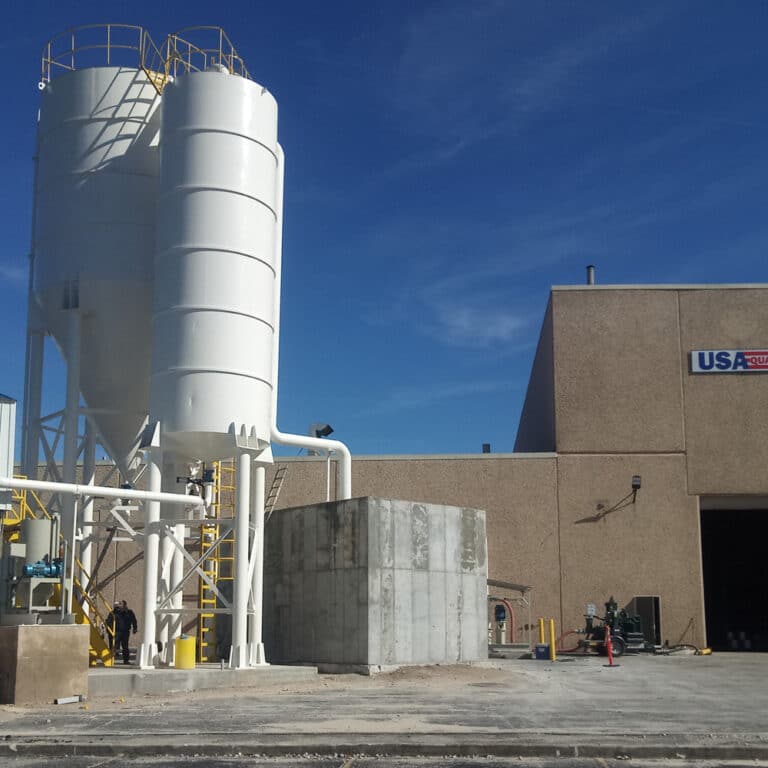
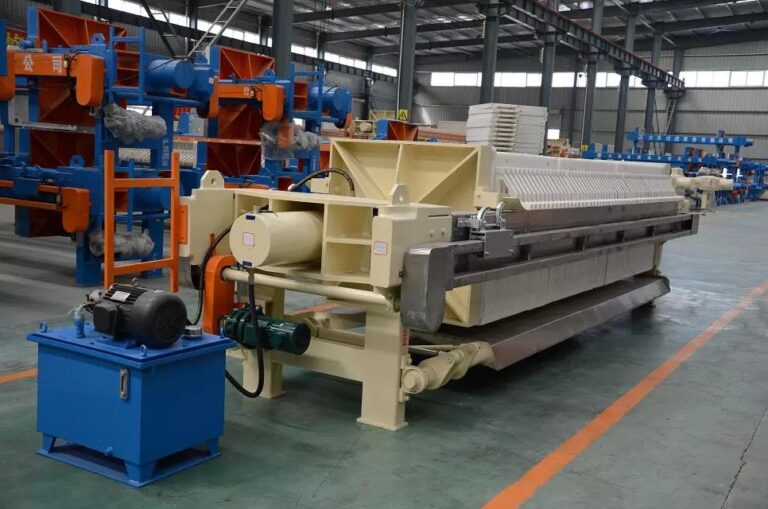
Sludge handling is the part of the treatment system that absorbs the consequences of decisions made everywhere else upstream. By the time commissioning begins, coagulant selection, clarifier sizing, and flow loading have all already determined how much sludge the dewatering equipment must process. If those upstream decisions were made before dewatering capacity was properly evaluated, the filter press or centrifuge becomes the system’s chokepoint—and it becomes visible only after the rest of the line is already running.
The coagulant chemistry decision carries more downstream weight than it usually receives during design. Inorganic coagulants—aluminum sulfate and ferric chloride are the typical examples—are effective at destabilizing suspended particles, but they generate substantially higher sludge volumes than organic alternatives. If the coagulant is selected primarily on treatment performance without accounting for sludge production rate, the dewatering equipment may be sized against a sludge volume that the chosen chemistry will routinely exceed. Switching to an organic coagulant later can reduce sludge volume, but that change also requires revalidating the treatment chemistry and may affect clarifier performance—a rework cycle that could have been avoided if sludge volume were part of the original coagulant evaluation.
Operating costs add a second layer of exposure. Dewatering costs vary meaningfully across technologies, and those costs scale directly with sludge volume.
| Dewatering Technology | Operating Cost per Gallon (USD) | What to Watch for |
|---|---|---|
| Tekan filter | $0.02–0.05 | Lower base cost; any increase in sludge volume from coagulant choice still raises total expense |
| Belt press | $0.05–0.10 | Moderate cost; volume changes affect budget proportionally |
| Centrifuge | $0.10–0.20 | Highest cost; oversight on sludge volume can lead to significant unbudgeted expense |
These figures are order-of-magnitude planning inputs, not fixed market rates—actual costs shift with sludge characteristics, solids content, polymer demand, and disposal fees. But the direction of the risk is consistent: any unexpected increase in sludge volume multiplies against whatever per-gallon cost the selected technology carries. A centrifuge operating on sludge volumes 40% above design is not just a performance problem; it’s a recurring operating cost problem that compounds over years of operation.
The practical checkpoint is to evaluate sludge volume as part of the coagulant selection process, not after it. Locking in both the coagulant chemistry and the dewatering technology against the same sludge volume estimate—before equipment is ordered—closes the gap where this constraint most often appears. For facilities using vertical sedimentation as part of the clarification stage, the Complete Vertical Sedimentation Tower Guide addresses sludge withdrawal design in detail and is worth reviewing before dewatering capacity is finalized.
When staged upgrades beat a full replacement program
The case for a full treatment line replacement is strongest when multiple stages are failing simultaneously and the interactions between them are preventing the system from meeting discharge or reuse targets regardless of which individual stage is corrected. In that condition, targeted corrections to pretreatment or dewatering in isolation may produce local improvements that the adjacent stages immediately undermine. The case for staged upgrades is strongest when the governing instability is localized—when one stage is the source of most of the system’s performance failures, and correcting that stage would allow the rest of the line to function within acceptable limits.
The practical challenge is that this diagnosis requires honest failure analysis rather than a replacement proposal. Budget overruns in wastewater upgrade projects often originate from buying a full treatment package before that analysis is complete, because the failure pattern isn’t understood clearly enough to know whether a targeted correction would have been sufficient. Running a bench-scale treatability study before committing to a full rebuild is one of the most reliable ways to validate the upgrade path—it surfaces the specific treatment requirements of the actual wastewater and can reveal whether the governing problem is chemistry, hydraulics, or equipment capacity, each of which points to a different intervention scale.
Source-control interventions represent the most compressed version of this logic. In some cases, the high-strength waste stream that is driving the treatment system beyond its capacity comes from a specific process area and can be segregated before it reaches the main drain. Managing that stream separately—sometimes as simply as holding it for batch treatment or offsite disposal—can reduce the load on the main treatment train enough to bring it within permit limits without any equipment upgrade at all. This isn’t broadly applicable, but when the source can be isolated cleanly, it may defer or eliminate an equipment purchase that was being driven by a manageable minority of the total flow. The decision framework here is to choose the smallest intervention that fixes the governing instability, and expand to a full rebuild only when the line cannot reach its targets through targeted corrections.
Which PORVOO modules fit each upgrade phase
The equipment selection decision in a staged upgrade benefits from matching each module to the failure point it addresses rather than assembling a full system and commissioning everything at once.
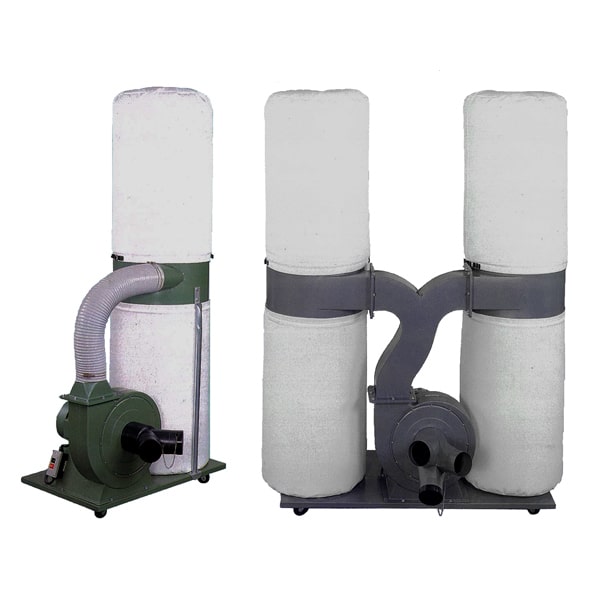
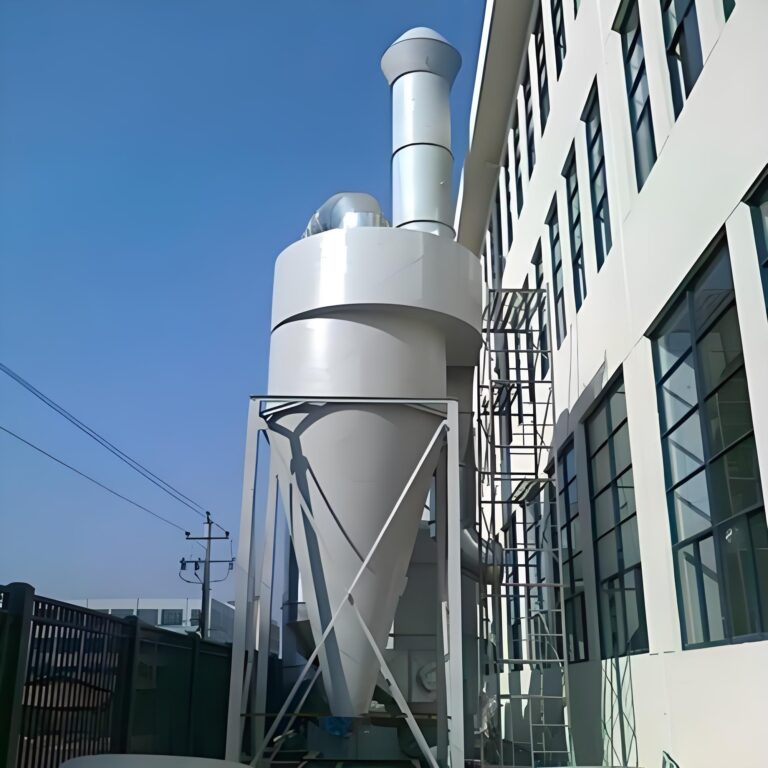
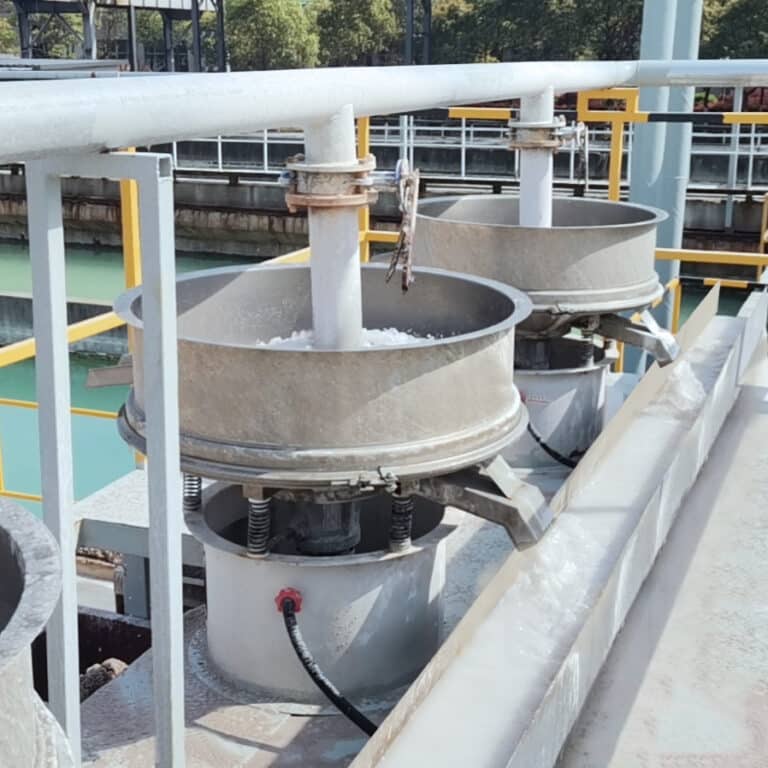
At the pretreatment stage, grit and large particle removal is typically the first intervention point when solids loading is damaging downstream equipment or shortening the service intervals of clarifiers and dewatering systems. Penghapusan Grit Partikel Besar equipment addresses this load before it reaches the clarification stage, protecting subsequent equipment and stabilizing the solids loading that clarifier sizing depends on. This is the right starting point when the upstream hydraulics are functioning but solids carryover is the visible problem.
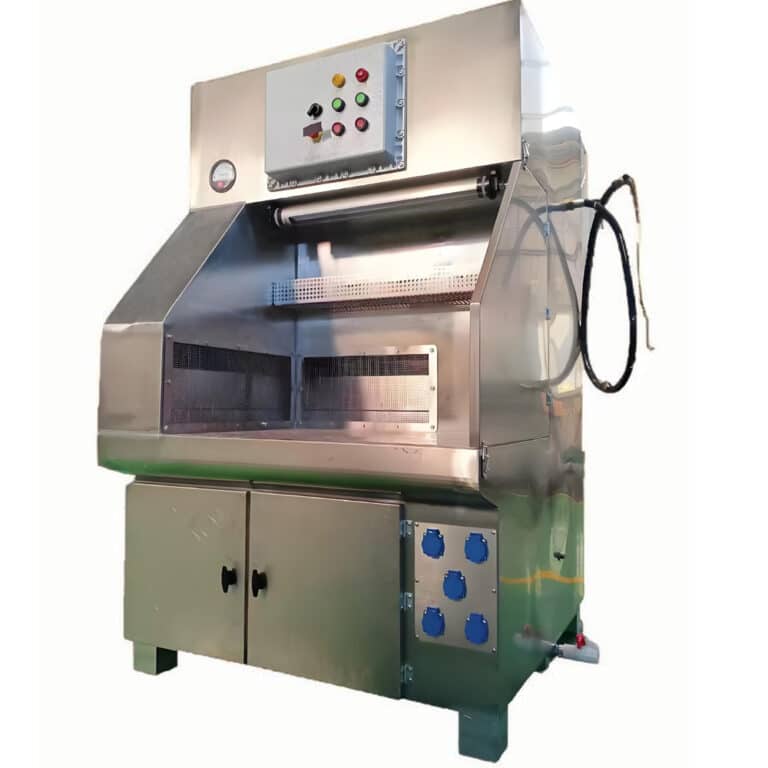
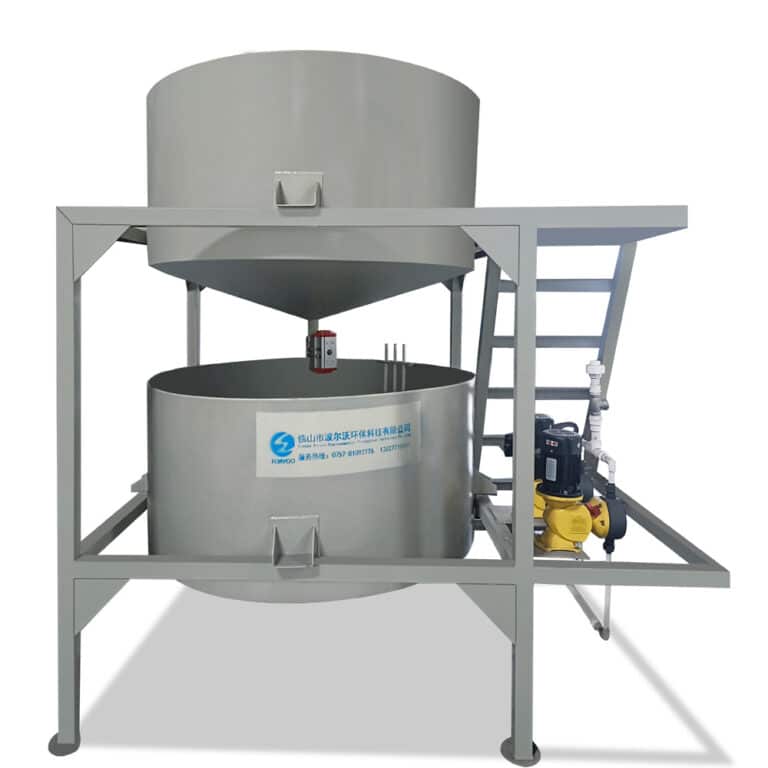
Chemical dosing instability is a distinct failure mode that often gets misdiagnosed as a clarifier capacity problem. When coagulant or flocculant concentrations fluctuate because dosing is managed manually or with aging equipment, clarifier performance varies with them, and the sludge volume produced is inconsistent—which then makes dewatering scheduling unreliable. An intelligent PAM/PAC dosing system that adjusts in response to real-time influent characteristics stabilizes both clarifier performance and sludge production rate, which is the upstream correction that makes dewatering sizing defensible. This module fits the upgrade path when dosing variability is the identified instability, not when clarifier hydraulics are the governing constraint.
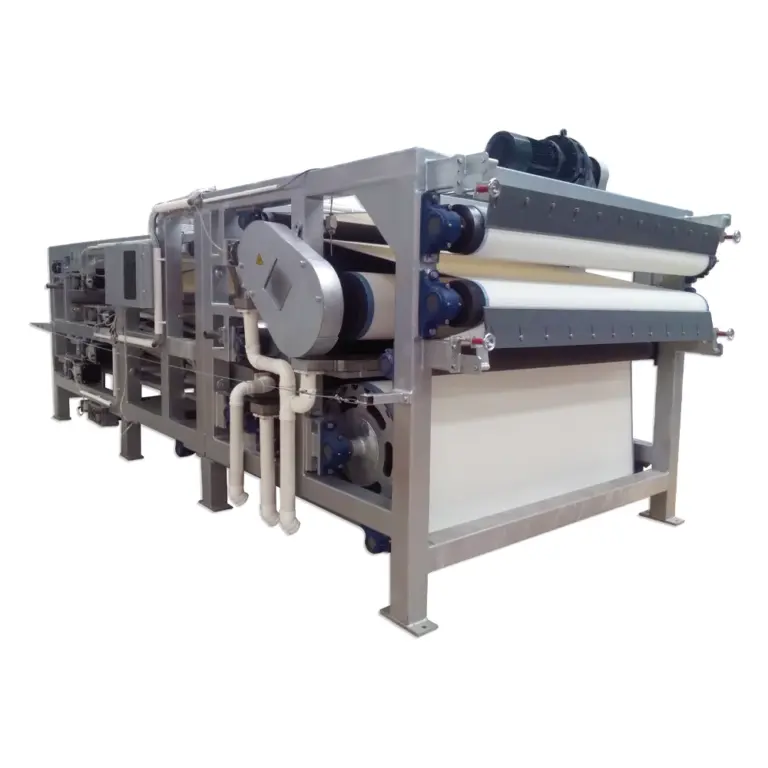
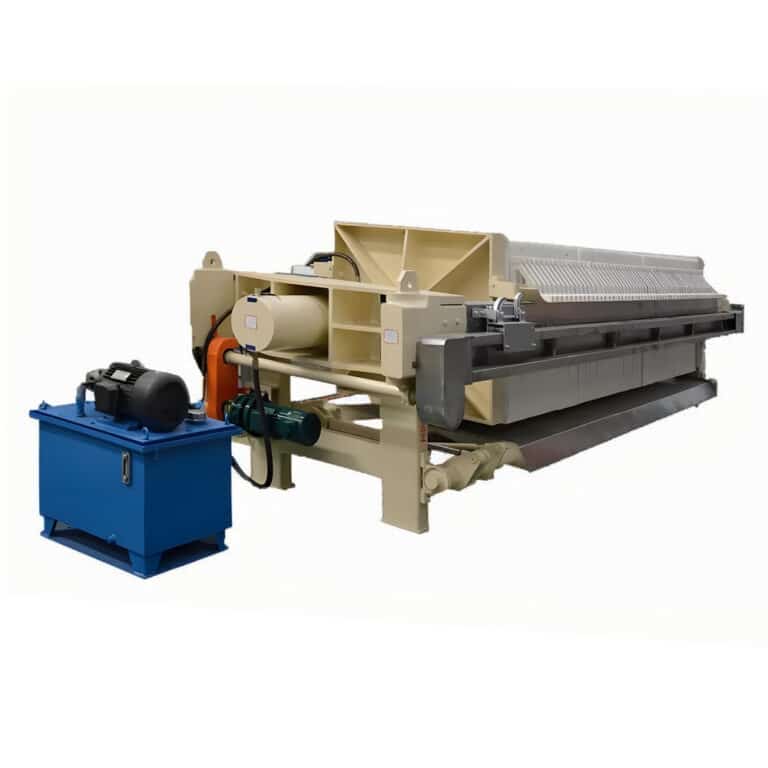
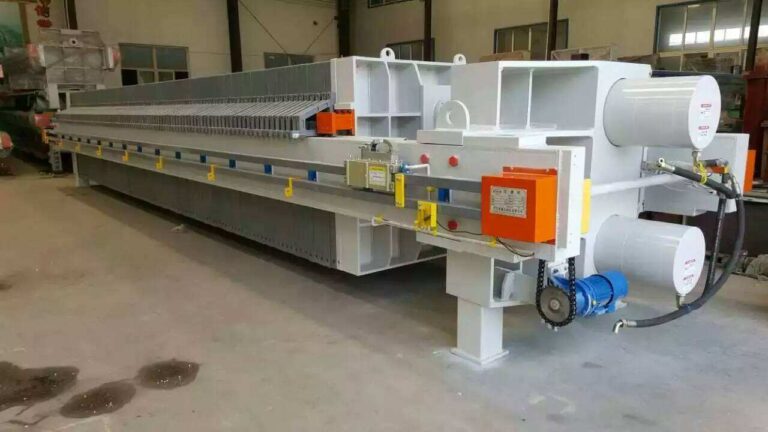
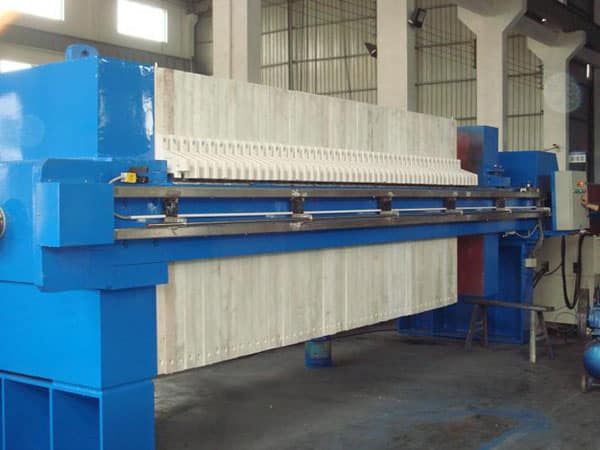
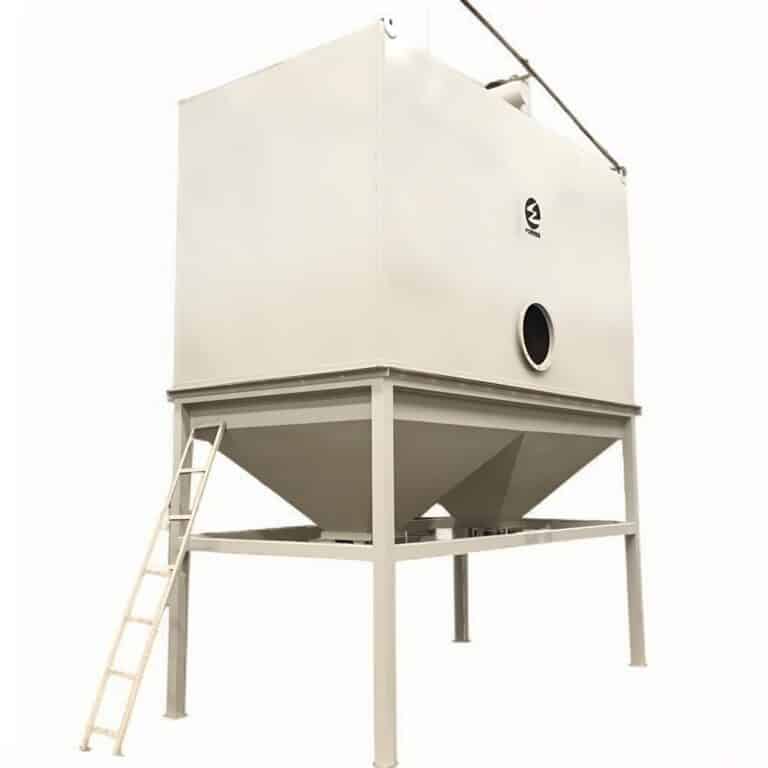
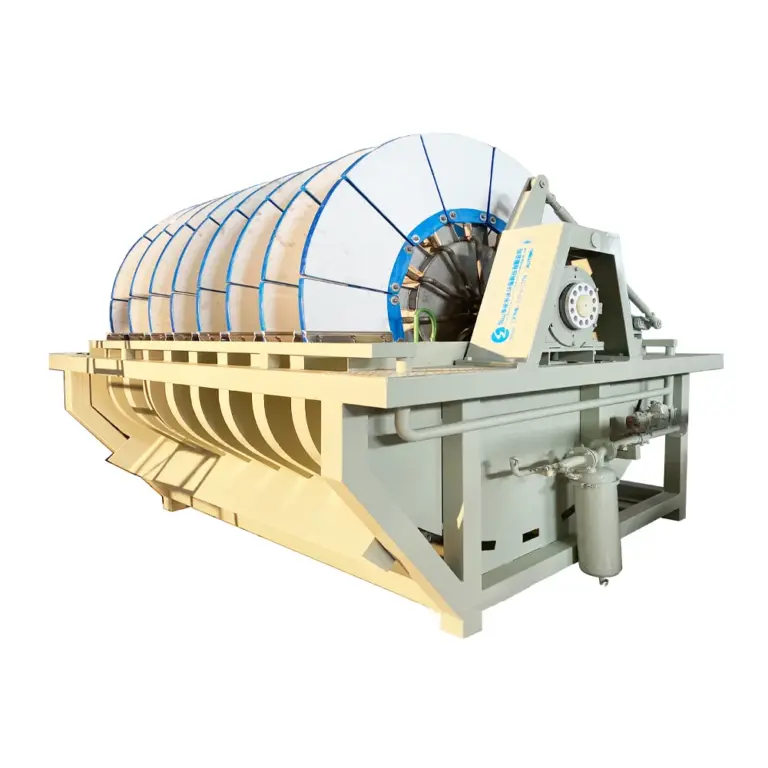
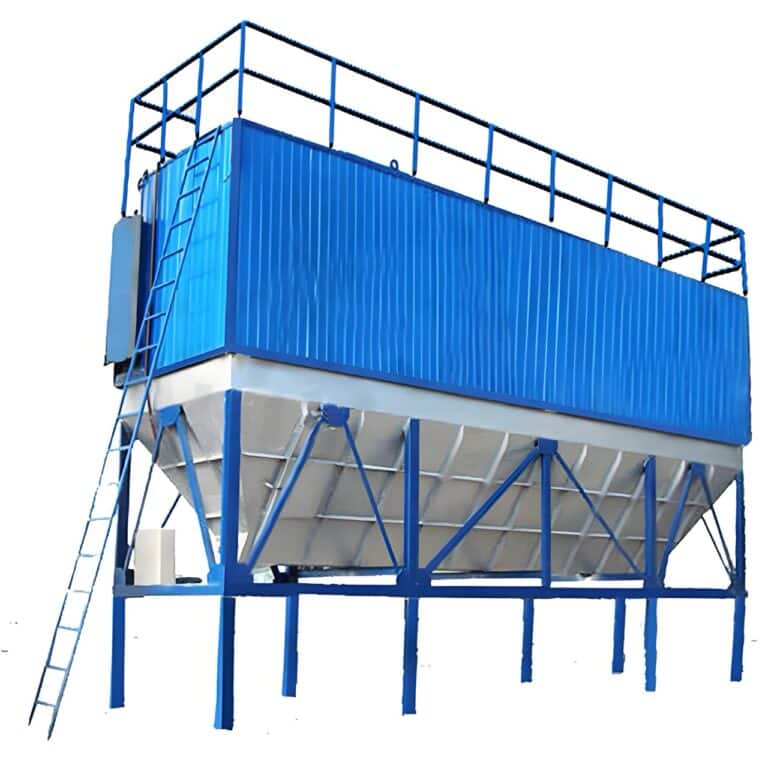
For facilities where clarification and reuse are the simultaneous objectives, a vertical sedimentation tower provides compact footprint clarification with integrated sludge withdrawal, suitable for facilities where space is constrained and the clarification load is moderate. Where dewatering is the choke point and the facility needs to increase throughput or reduce disposal volume, a belt filter press scales dewatering capacity in a configuration that is maintainable without specialized service infrastructure. The governing principle across all four of these modules is the same as the staged upgrade logic: select the equipment that addresses the identified governing failure, confirm that it interfaces correctly with the stages adjacent to it, and add capacity incrementally as each correction is validated rather than commissioning everything simultaneously.
What handover checks should close before scale-up
The gap between a commissioned system and a compliant operating system is wider than most schedules account for. Equipment that passes performance testing during commissioning can still create compliance exposure after scale-up if the operational infrastructure around it—documentation, operator qualification, and maintenance coordination—hasn’t been verified before the system moves into full production operation.
The O&M manual is the most visible of these handover items and the one most often treated as a documentation formality rather than a functional tool. For a permitting authority, an incomplete or outdated O&M manual signals that the facility may not be operating the system as designed. A complete manual covers equipment descriptions, startup and shutdown procedures, standard operating procedures for each treatment stage, emergency response protocols, operator staffing plans, and system operation records. Its completeness at handover matters because the authority may request it during an inspection at any point after scale-up, and a manual that reflects the system as designed but not as built creates immediate credibility problems.
Operator licensure and training credits are jurisdiction-dependent—requirements vary by region and facility classification—but the principle is consistent: the operators who will run the upgraded system should hold current credentials before scale-up is approved, not as an administrative formality but because under-qualified operation of a more complex treatment system creates both performance and compliance risk. Verifying licensure status before scale-up is a straightforward check that closes a gap that is easy to defer and costly to address after a compliance event has already occurred.
| Handover Item | What to Verify | Mengapa Ini Penting |
|---|---|---|
| O&M manual | Manual is complete and updated with equipment descriptions, startup guidelines, SOPs, emergency response, operator staffing plans, and system operation records | Serves as proof of good operating condition to the permitting authority; an incomplete manual can create compliance gaps |
| Operator licensure and training | Operators hold current required licenses and continuing education credits (CEUs, PDHs, etc.) | Ensures the facility can legally operate the new system; unverified credentials risk non‑compliance |
| Outsourced maintenance coordination | Vendor is ready and able to facilitate required notifications to the regulatory authority | Avoids compliance gaps after scale‑up when maintenance is not performed in‑house |
Outsourced maintenance introduces a coordination requirement that internal teams sometimes overlook. When regulatory notifications—equipment failures, bypass events, or deviation reports—must be submitted to the authority within specified timeframes, and when the party responsible for identifying those events is an external maintenance vendor, there must be a confirmed, documented escalation path between the vendor and the facility’s compliance contact. Confirming that path before scale-up closes the last handover gap that commonly creates post-commissioning compliance exposure.
The most durable insight across a wastewater treatment upgrade is that the sequence of decisions matters as much as the quality of the equipment selected. Flow mapping before design, permit targets before capacity calculations, sludge volume assessment before coagulant selection, and handover verification before scale-up—each of these is a sequencing discipline, and each one prevents a category of rework that arrives later and costs more than the step that was skipped.
Before committing to an equipment list or a replacement scope, the most useful questions to answer are: what does the flow measurement actually show against current operating conditions; what does the permit require in terms of parameters, frequency, and reporting; and which single stage, if corrected, would give the treatment line the best chance of meeting its targets without a full replacement? Those three questions don’t require capital—they require careful measurement and honest analysis. The capital decision follows those answers, not the other way around.
Pertanyaan yang Sering Diajukan
Q: What if our facility already has a discharge permit but the operating targets in it don’t reflect our current production volumes?
A: Treat the existing permit as a starting constraint, not a final design input—then initiate a permit revision before freezing any capacity calculations. Permits are issued against the wastewater characteristics and volumetric flow described in the original application. If production has changed significantly since that application was submitted, the permit conditions may no longer reflect actual operating conditions, which means any rebuild sized against those conditions inherits the same mismatch. Contact the relevant industrial pre-treatment program coordinator, describe the change in sources and flow, and confirm whether a permit modification is required before design work proceeds.
Q: After the bench-scale treatability study is complete and the upgrade path is validated, what is the right first procurement decision?
A: The first procurement decision should be the module that corrects the single identified governing failure—not the module that anchors the full treatment sequence. A validated treatability study tells you which stage is driving most of the system’s performance failures. That stage is the right starting point for procurement, whether it is grit removal protecting downstream equipment, chemical dosing stabilization reducing clarifier variability, or dewatering capacity expansion. Procuring adjacent stages before the governing correction has been commissioned and confirmed means spending capital before you know whether that correction alone resolves the core instability.
Q: At what point does a reuse target become specific enough to actually drive the equipment list?
A: A reuse target is specific enough to drive the equipment list when it carries a defined end-use quality threshold—not when it is expressed only as a volume or percentage recovery goal. “Reuse 60% of effluent” does not constrain the treatment sequence. “Reuse 60% of effluent as cooling tower makeup water with conductivity below 500 µS/cm and turbidity below 5 NTU” does, because those quality thresholds determine whether conventional clarification is sufficient or whether nanofiltration, ion exchange, or additional polishing steps enter the equipment list. If the reuse target cannot yet be expressed in end-use quality terms, the equipment list should not be frozen—clarifying that target first is cheaper than scoping it out of the initial design and adding the required technologies during execution.
Q: Is a belt filter press or a centrifuge the better dewatering choice when sludge volume is uncertain going into the upgrade?
A: A belt filter press is generally the lower-risk choice when sludge volume is uncertain, primarily because its operating cost exposure is lower if volumes run higher than anticipated. At $0.05–0.10 per gallon, it sits between the filter press and centrifuge on the cost curve, but it is more maintainable without specialized service infrastructure and easier to adjust operationally as actual sludge volumes become clearer after commissioning. A centrifuge at $0.10–0.20 per gallon compounds the cost risk when volumes exceed design—each additional gallon processed carries the highest per-unit operating cost of the three common technologies. If sludge volume uncertainty is significant, deferring the centrifuge decision until the coagulant chemistry is validated and actual sludge production rates are measured is the more conservative path.
Q: How much compliance risk does an incomplete O&M manual actually create after scale-up, compared to the other handover checks?
A: An incomplete O&M manual creates the most immediate and documentable compliance risk of the three handover checks because it is the item a permitting authority is most likely to request during a routine inspection and the one where gaps are immediately visible. Operator licensure gaps and outsourced maintenance escalation failures typically surface only when an event occurs—a bypass, an equipment failure, a deviation from permit limits. An O&M manual that reflects the system as designed but not as built, or that lacks current SOPs for upgraded equipment, creates a credibility problem with the authority before any operational event has taken place. Treating it as a functional commissioning document rather than an administrative deliverable—updated to reflect the actual installed configuration before scale-up is approved—closes the highest-visibility compliance exposure first.