Dalam pemisahan padat-cair, biaya variabel terbesar bukanlah energi atau bahan habis pakai, melainkan tenaga kerja manual. Untuk operasi yang mengandalkan penekan filter manual atau semi-otomatis, tenaga kerja merupakan biaya yang signifikan dan berulang yang terkait langsung dengan waktu siklus dan ketersediaan operator. Hal ini menciptakan hambatan yang membatasi skalabilitas dan mengekspos operasi terhadap variabilitas tenaga kerja dan ketegangan fisik.
Pergeseran ke arah otomatisasi bukan lagi sebuah kemewahan, melainkan sebuah kebutuhan strategis untuk meningkatkan margin operasional dan memastikan hasil yang konsisten dan dapat diprediksi. Memahami dampak terukur dari pergeseran ini, yang didukung oleh data kinerja dunia nyata, sangat penting untuk membuat keputusan investasi modal yang dapat dipertahankan.
Bagaimana Pengepresan Filter Sepenuhnya Otomatis Mengurangi Biaya Tenaga Kerja
Proposisi Nilai Inti
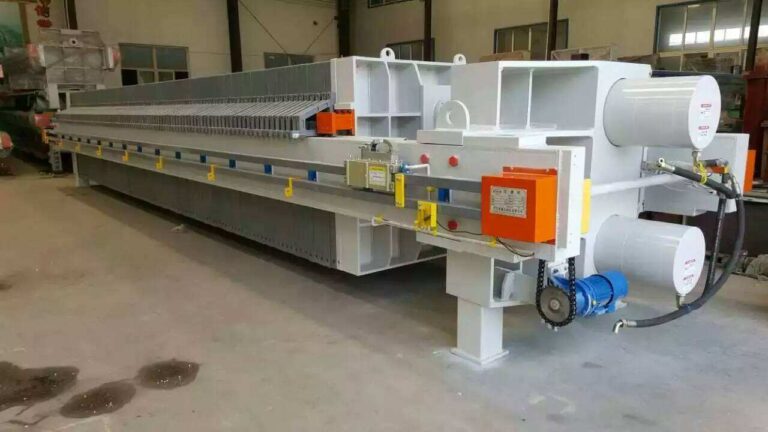
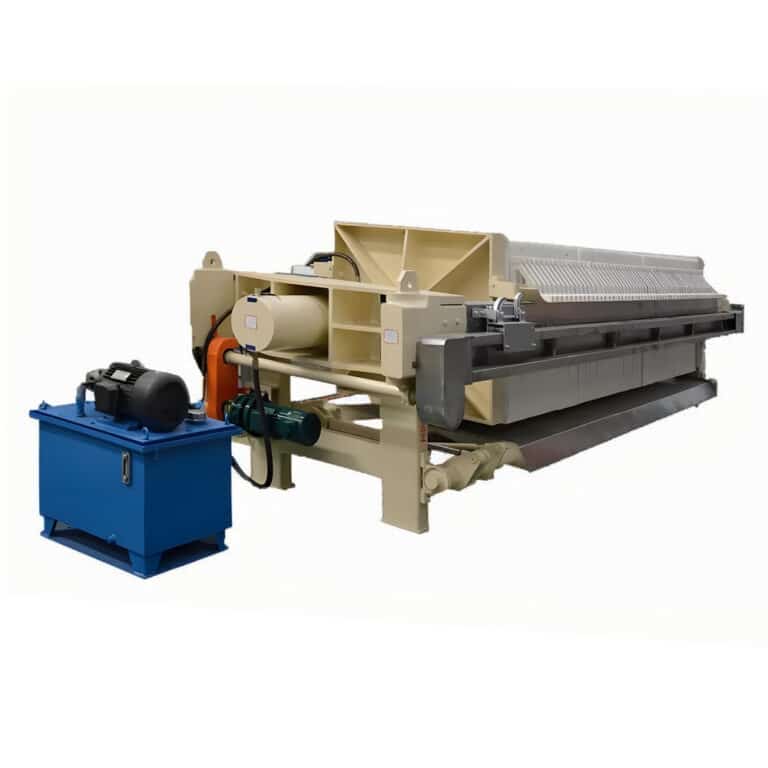
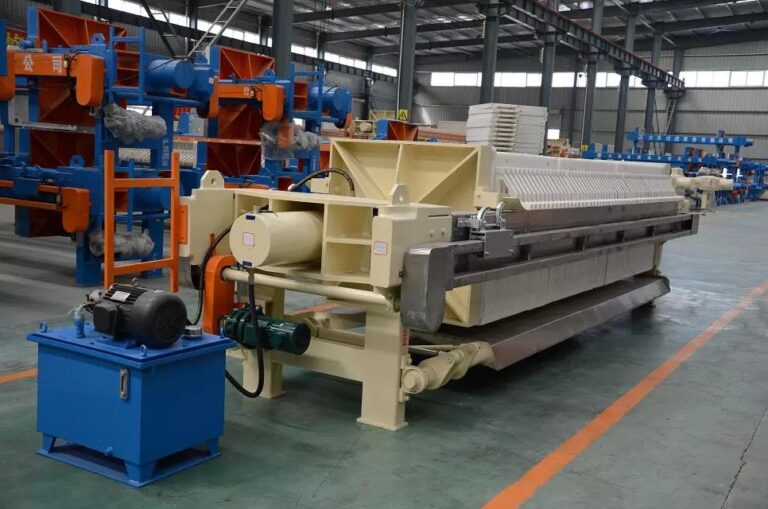
Mesin cetak filter yang sepenuhnya otomatis mengubah serangkaian tugas yang berulang dan bergantung pada operator menjadi urutan yang mulus dan dikendalikan oleh PLC. Tujuan utamanya adalah menghilangkan kehadiran yang konstan, sehingga memungkinkan satu operator untuk mengawasi beberapa mesin cetak dari ruang kontrol pusat. Ini bukan sekadar peningkatan mekanis; ini adalah realokasi strategis sumber daya manusia. Personel dialihkan dari tugas-tugas fisik rutin ke peran yang bernilai lebih tinggi dalam pemantauan proses, optimalisasi, dan kontrol kualitas, yang pada dasarnya mengubah struktur biaya operasional.
Mekanisme Penghapusan Tenaga Kerja
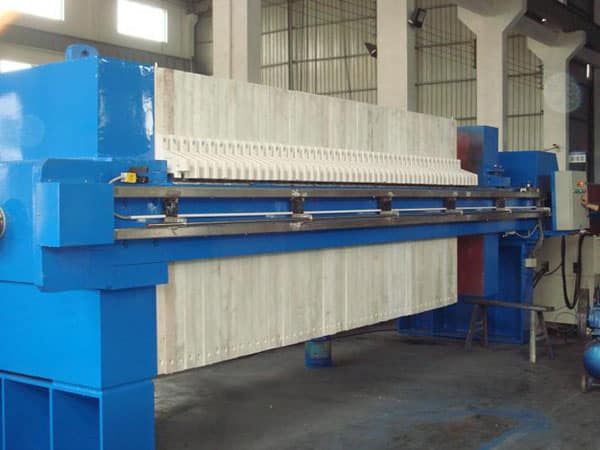
Pengurangan tenaga kerja dicapai melalui operasi yang disinkronkan dari subsistem mekanis utama: pemindah pelat hidraulik, baki tetesan otomatis, sistem pembuangan kue, dan pengontrol logika terprogram (PLC) yang terintegrasi. PLC menjalankan seluruh siklus-penutupan, pengumpanan, pemerasan, pembukaan, dan pengeluaran-secara mandiri berdasarkan parameter yang telah ditetapkan sebelumnya atau umpan balik sensor. Sistem pembuangan kue otomatis, biasanya berupa pengikis bermotor, sangat penting. Ini melintasi paket pelat yang terbuka untuk mengeluarkan kue tanpa intervensi manual. Otomatisasi penuh yang sesungguhnya meluas ke sistem tambahan seperti takaran polimer dan pencucian kain, menciptakan ekosistem perawatan yang kohesif. Integrasi yang komprehensif inilah yang menghasilkan pengurangan tenaga kerja secara menyeluruh.
Mengukur Pergeseran Strategis
Dampak strategis diukur dalam jam kerja yang dialihkan dan kemampuan baru. Sebagai contoh, kami telah mengamati fasilitas di mana otomatisasi mesin press itu sendiri memperlihatkan hambatan dalam pengkondisian lumpur hulu, yang mendorong tinjauan menyeluruh terhadap seluruh rantai proses. Hal ini menggarisbawahi wawasan utama: mengotomatisasi secara terpisah tidaklah cukup. Tujuannya adalah untuk menciptakan operasi yang tangguh dan berbasis data di mana tenaga kerja difokuskan pada manajemen pengecualian dan peningkatan berkelanjutan, bukan siklus manual yang berulang.
Beban Tenaga Kerja Operasi Manual vs Otomatis
Perincian Siklus Manual
Operasi manual dan semi-otomatis membebankan beban tenaga kerja yang signifikan dan bervariasi. Setiap siklus mengharuskan operator untuk menutup paket pelat secara fisik, memantau fase filtrasi dan kompresi, membuka pelat secara manual, dan kemudian mengeluarkan cake filter dari masing-masing ruang. Proses ini memakan waktu, secara fisik berat, dan mengekspos personel ke lingkungan proses. Variabilitas dalam konsistensi cake semakin memperumit pembuangan, sementara tugas tambahan seperti pencucian kain menambah waktu yang tidak terencana dan mengganggu pada shift tersebut.
Perbandingan Tugas demi Tugas
Ketidakefisienan model manual menjadi jelas ketika tugas-tugas dibedah. Model ini memiliki skala yang buruk, mengikat operator yang terampil pada satu alat berat untuk sebagian besar shift. Model otomatis memisahkan operator dari siklus alat berat, mengubah peran mereka dari peserta aktif menjadi pengawas pasif. Pergeseran ini sangat penting untuk mencapai penghematan tenaga kerja dan konsistensi operasional.
| Tugas | Persyaratan Pengoperasian Manual | Persyaratan Operasi Otomatis |
|---|---|---|
| Penutupan / Pembukaan Piring | Kehadiran operator secara fisik | Urutan yang dikendalikan PLC |
| Pelepasan Kue | Penghapusan manual per ruang | Sistem pengikis bermotor |
| Pemantauan Siklus | Kehadiran operator yang konstan | Kontrol PLC berbasis sensor |
| Tugas Tambahan (mis., Pencucian Kain) | Jam manual yang tidak direncanakan | Sistem otomatis yang terintegrasi |
| Pengawasan Proses | Satu operator per mesin cetak | Satu operator beberapa kali pengepresan |
Sumber: Dokumentasi teknis dan spesifikasi industri.
Biaya Tersembunyi dari Ketergantungan Manual
Di luar jam kerja langsung, model manual membawa biaya tersembunyi. Ketegangan fisik meningkatkan risiko insiden di tempat kerja dan ketidakhadiran. Variabilitas manusia dalam hal waktu siklus dan ketelitian pembuangan menyebabkan hasil produksi yang tidak konsisten dan potensi kehilangan produk. Selain itu, model ini rentan terhadap kekurangan tenaga kerja terampil, sehingga menciptakan risiko operasional. Mengotomatiskan tugas-tugas yang berulang ini secara langsung mengatasi kerentanan ini, membangun operasi yang lebih tangguh.
Mekanisme Otomasi Inti yang Menghilangkan Tugas Manual
Pendekatan Sistem Terpadu
Penghapusan tenaga kerja bukanlah fungsi dari satu komponen saja, melainkan hasil dari sistem yang terintegrasi penuh. Empat mekanisme inti bekerja secara bersamaan: sistem pemindahan pelat, sistem pengeluaran kue, sistem kontrol, dan otomatisasi tambahan. Pemindah pelat, yang digerakkan oleh aktuator hidraulik atau elektromekanis, memposisikan setiap pelat untuk menutup dan membuka dengan presisi dan pengulangan yang jauh melebihi upaya manual. Hal ini memastikan segel yang seragam dan penyelarasan paket pelat yang andal dari siklus ke siklus.
Peran Penting dari Pelepasan Kue
Tugas yang paling banyak membutuhkan tenaga kerja-pengeluaran kue-ditangani dengan mekanisme khusus. Sistem pengikis atau vibrator bermotor melintasi pelat yang terbuka, mengeluarkan kue ke dalam konveyor atau tempat pengumpulan di bawahnya. Untuk aplikasi yang menuntut kemurnian tinggi, pengikis tipe gerbang membungkus bagian penggerak untuk mencegah kontaminasi produk, pilihan desain yang memprioritaskan kebersihan daripada kecepatan. Untuk kebutuhan waktu kerja yang tinggi, desain kain yang menggantung di atas memungkinkan perawatan dan penggantian kain yang cepat. Memilih sistem pembuangan yang tepat untuk karakteristik kue Anda yang spesifik (rapuh, lengket, atau lembek) sangat penting untuk pengoperasian yang andal dan tanpa pengawasan.
Kontrol dan Integrasi Tambahan
PLC adalah otak sistem, menjalankan urutan yang diprogram dan merespons input sensor untuk tekanan, waktu, atau posisi. Otomatisasi penuh yang sesungguhnya mengintegrasikan proses tambahan. Sistem pencucian kain otomatis membersihkan media pada interval yang ditetapkan tanpa campur tangan operator. Sistem takaran polimer otomatis, yang dihubungkan dengan PLC press, memastikan pengkondisian bubur umpan yang konsisten. Tingkat integrasi ini, di mana mesin press beroperasi sebagai bagian dari ekosistem pengolahan yang kohesif, inilah yang menghasilkan eliminasi tenaga kerja yang komprehensif. Mengisolasi otomatisasi press sering kali hanya menggeser kemacetan ke hulu atau ke hilir.
Penghematan Tenaga Kerja yang Terukur: Data dari 12 Fasilitas
Data Kinerja Agregat
Bukti konkret dari fasilitas operasional memberikan pembenaran yang paling kuat untuk otomatisasi. Data agregat dari 12 lokasi di seluruh pengolahan bahan kimia dan pengolahan air limbah kota menunjukkan tren yang konsisten. Pengurangan rata-rata dalam perhatian operator khusus per mesin cetak per shift adalah 75-85%. Metrik ini dengan cepat menjadi standar untuk justifikasi ROI dalam pengadaan peralatan, mengalihkan pembicaraan dari manfaat teoretis ke dampak finansial yang terdokumentasi.
Hasil Khusus Fasilitas
Data menunjukkan bagaimana penghematan terwujud dalam konteks operasional yang berbeda. Pabrik kimia, yang sering kali menjalankan beberapa batch, mengurangi tenaga kerja dari 6-8 jam kehadiran khusus menjadi 0,5-1 jam untuk pemantauan berkala dan pencatatan data. Pabrik air limbah kota mengalami penurunan kebutuhan shift kerja dari 5-7 jam menjadi 1-1,5 jam, sehingga memungkinkan satu operator untuk mengawasi beberapa mesin cetak di seluruh fasilitas. Mungkin yang paling signifikan, tiga fasilitas beralih dari cakupan multi-shift menjadi shift siang hari tunggal dengan dukungan on-call, karena sistem otomatis secara andal memproses batch semalam tanpa pengawasan.
| Jenis Fasilitas | Tenaga Kerja Sebelumnya (jam/shift) | Tenaga Kerja Pasca-Otomasi (jam/shift) | Pengurangan |
|---|---|---|---|
| Pabrik Kimia | 6-8 jam khusus | 0,5-1 jam pemantauan | ~85-90% |
| IPAL kota | 5-7 jam khusus | 1-1,5 jam pemantauan | ~75-80% |
| Rata-rata Agregat | Kehadiran variabel | Pemantauan terpusat | 75-85% |
Sumber: Dokumentasi teknis dan spesifikasi industri.
Menafsirkan Data untuk Pembenaran
Data ini memvalidasi penghematan biaya tenaga kerja langsung yang menjadi inti dari kasus bisnis otomatisasi. Ketika membangun justifikasi Anda, mulailah dengan mendasarkan jam kerja Anda saat ini dengan perincian yang sama - tidak hanya mencakup operasi pers tetapi juga tugas-tugas tambahan dan pelaporan. Gunakan data dunia nyata ini untuk memproyeksikan penghematan langsung Anda, dan pertimbangkan potensi restrukturisasi shift atau penugasan ulang personel ke tugas-tugas yang bernilai lebih tinggi, yang akan meningkatkan keuntungan.
Spesifikasi Teknis Utama untuk Pengoperasian Tanpa Pengawasan yang Andal
Pilihan Desain untuk Hasil Spesifik
Pengoperasian tanpa pengawasan yang andal bergantung pada spesifikasi yang sesuai dengan prioritas proses Anda. Pilihan desain utama menghadirkan trade-off. Untuk aplikasi dengan kemurnian tinggi dalam bidang farmasi atau pengolahan makanan, pengikis tipe gerbang yang menutup sepenuhnya mekanisme penggerak tidak dapat dinegosiasikan untuk mencegah kontaminasi produk. Untuk aplikasi pengolahan mineral atau air limbah yang memerlukan waktu kerja yang sangat penting, desain kain yang menggantung di atas memungkinkan perawatan dan penggantian kain yang cepat, sehingga meminimalkan waktu henti.
Spesifikasi Komponen Penting
Di luar sistem pembuangan, beberapa komponen sangat penting untuk umur panjang dan konsistensi. Bahan pelat harus dipilih untuk kompatibilitas bahan kimia; polipropilena tahan bahan kimia adalah standar untuk lingkungan yang keras. Spesifikasi sistem pemerasan menyajikan keputusan strategis antara modal dan biaya operasional. Sistem pemerasan diafragma bertekanan tinggi meningkatkan biaya di muka tetapi menghasilkan kue yang jauh lebih kering, waktu siklus yang lebih cepat, dan pelepasan kue yang lebih andal. Hal ini mengurangi biaya pembuangan jangka panjang dan meningkatkan hasil produksi, yang sering kali membenarkan investasi awal yang lebih tinggi.
| Komponen | Spesifikasi Utama / Pilihan Desain | Manfaat Utama |
|---|---|---|
| Sistem Pembuangan | Pengikis tipe gerbang | Mencegah kontaminasi produk |
| Sistem Pembuangan | Desain kain yang digantung di atas | Memungkinkan perawatan yang cepat |
| Bahan Piring | Polipropilena tahan bahan kimia | Umur panjang di lingkungan yang keras |
| Sistem Pemerasan | Diafragma bertekanan tinggi | Kue lebih kering, siklus lebih cepat |
| Kontrol & Data | Konektivitas Ethernet jarak jauh | Pemecahan masalah & dukungan di luar lokasi |
Sumber: ASTM D3861-24 Metode Uji Standar untuk Kuantitas Materi yang Dapat Diekstraksi Air dalam Filter Membran. Standar ini sangat penting untuk memvalidasi kemurnian dan kinerja media filter, yang secara langsung berdampak pada siklus pemeliharaan dan keandalan dalam operasi filter press otomatis tanpa pengawasan.
Memastikan Integritas Proses
Untuk aplikasi yang membutuhkan pencucian kue, hidraulik pelat khusus sangat penting. Distribusi pencucian yang seragam harus dirancang ke dalam pelat sejak awal; tidak dapat dipasang secara efektif. Selain itu, kualitas kain filter dan membran adalah yang terpenting. Standar seperti ASTM D3861-24 menyediakan metodologi untuk menguji materi yang dapat diekstraksi dalam air, memastikan media filter tidak menimbulkan kontaminan atau terdegradasi sebelum waktunya, yang akan membahayakan pengoperasian tanpa pengawasan. Perhatian terhadap spesifikasi tingkat komponen inilah yang memisahkan sistem otomatis yang andal dari sistem yang rentan terhadap intervensi yang sering terjadi.
Lebih dari sekadar Tenaga Kerja: Penghematan Tidak Langsung dan Peningkatan Hasil Produksi
Pengganda Throughput
Menghilangkan variabilitas manusia dari siklus penyaringan membuka peningkatan throughput 5-15% yang terdokumentasi. Sistem otomatis beroperasi dengan waktu siklus yang konsisten, tekanan pemerasan yang optimal, dan pembuangan cake yang lengkap setiap siklus. Konsistensi ini menghasilkan produksi yang lebih dapat diprediksi dan bervolume lebih tinggi selama satu shift, yang secara efektif meningkatkan kapasitas tanpa menambah jejak fisik. Keuntungan ini sering kali memberikan pengembalian yang lebih cepat daripada penghematan tenaga kerja saja.
Ketahanan Data dan Operasional
Pencatatan data otomatis menghemat waktu yang sebelumnya dihabiskan untuk membuat laporan produksi secara manual, meningkatkan integritas data untuk kepatuhan dan analisis proses. Data sensor yang dikumpulkan-tekanan, waktu siklus, volume umpan-membentuk fondasi untuk analisis prediktif, batas berikutnya untuk pemeliharaan dan pengoptimalan. Konektivitas jarak jauh melalui Ethernet adalah pengganda kekuatan untuk ketahanan operasional. Hal ini memungkinkan teknisi vendor untuk melakukan diagnostik, memecahkan masalah, dan memperbarui pemrograman dari jarak jauh, yang secara langsung mengatasi kekurangan tenaga kerja terampil dan mengurangi waktu rata-rata untuk perbaikan.
| Kategori Manfaat | Keuntungan Kuantitatif / Kualitatif | Pengemudi Dampak |
|---|---|---|
| Peningkatan Throughput | 5-15% produksi yang lebih tinggi | Menghilangkan variabilitas manusia |
| Manajemen Data | Laporan produksi otomatis | Menghemat waktu pencatatan manual |
| Ketahanan Operasional | Dukungan vendor jarak jauh | Mengatasi kekurangan tenaga kerja terampil |
| Keselamatan Tenaga Kerja | Tingkat insiden/ ketidakhadiran yang lebih rendah | Mengurangi ketegangan fisik |
| Kemampuan Masa Depan | Fondasi analisis prediktif | Data sensor yang dikumpulkan |
Sumber: Dokumentasi teknis dan spesifikasi industri.
Penilaian Nilai Holistik
Ketika mengevaluasi sebuah sistem pers filter, manfaat tidak langsung ini harus dimasukkan dalam analisis total biaya kepemilikan. Nilai dukungan jarak jauh, metrik keselamatan yang lebih baik, dan infrastruktur data untuk inisiatif Industri 4.0 di masa depan memberikan kontribusi yang signifikan terhadap nilai strategis jangka panjang dari investasi. Mereka mengubah pers dari pusat biaya menjadi sumber intelijen operasional.
Faktor-faktor Implementasi Penting untuk Memaksimalkan ROI
Stabilitas Proses Hulu
Kinerja filter press otomatis bergantung pada umpan yang konsisten. Stabilitas proses hulu - terutama konsentrasi padatan umpan yang konsisten dan distribusi ukuran partikel - adalah yang terpenting. Umpan yang sangat bervariasi dapat menyebabkan pembentukan cake yang tidak merata, pembuangan yang buruk, dan kesalahan siklus yang memerlukan intervensi operator, sehingga merusak tujuan operasi tanpa pengawasan. Menerapkan pengkondisian umpan yang andal, sering kali dengan takaran polimer otomatis, merupakan prasyarat untuk sukses.
Integrasi dan Pemeliharaan Sistem
Memaksimalkan ROI mengharuskan mesin cetak diintegrasikan ke dalam ekosistem pabrik yang lebih luas. Tingkat penghematan tenaga kerja tertinggi direalisasikan ketika PLC press berkomunikasi dengan Distributed Control System (DCS) pabrik untuk pemantauan dan kontrol jarak jauh yang sebenarnya dari lokasi pusat. Selain itu, rezim pemeliharaan preventif yang ketat untuk sistem elektro-mekanis terintegrasi tidak dapat dinegosiasikan. Servis rutin aktuator, sensor, dan mekanisme pelepasan melindungi dari waktu henti yang tidak direncanakan, memastikan sistem otomatis memberikan ketersediaan yang dijanjikan.
Faktor Manusia: Transisi Keahlian
Implementasi yang sukses membutuhkan pengelolaan transisi tenaga kerja Anda. Peran operator berevolusi dari tugas-tugas manual menjadi pemantauan sistem, interpretasi data, dan pengawasan prosedural. Memberikan pelatihan tentang antarmuka kontrol baru, manajemen alarm, dan prosedur diagnostik dasar sangatlah penting. Investasi dalam sumber daya manusia ini memastikan tim Anda dapat secara efektif mengelola dan mengoptimalkan aset otomatis, sehingga mendapatkan manfaat yang maksimal.
Kerangka Kerja untuk Menjustifikasi Investasi Otomasi Anda
Membangun Model Keuangan
Pembenaran membutuhkan kerangka kerja terstruktur yang mengukur manfaat langsung dan tidak langsung. Mulailah dengan membuat garis dasar untuk semua biaya saat ini: jam kerja khusus, lembur, biaya pembuangan (sangat sensitif terhadap tingkat kekeringan kue), dan batasan produksi. Proyeksikan penghematan tenaga kerja langsung dengan menggunakan tolok ukur pengurangan 75-85%, tetapi sesuaikan dengan pola shift Anda. Hitung nilai peningkatan hasil produksi dan pengurangan biaya pembuangan yang dimungkinkan oleh kue yang lebih kering dari sistem pemerasan diafragma.
Menghadapi Realitas Pasar
Ketahuilah bahwa tingginya biaya otomatisasi penuh dapat membuat pasar menjadi bertingkat-tingkat. Operasi yang lebih kecil mungkin menemukan kasus yang menarik untuk solusi semi-otomatis sebagai batu loncatan, sementara fasilitas proses kontinu berskala besar akan secara agresif mengadopsi sistem penuh untuk dampak transformatifnya. Analisis Anda harus sesuai dengan skala operasional dan tujuan strategis Anda.
Mempresentasikan Kasus Strategis
Proposal akhir harus menyajikan analisis total biaya kepemilikan yang membandingkan sistem otomatis dengan status quo. Posisikan filter press otomatis bukan hanya sebagai pengganti peralatan, tetapi sebagai investasi strategis dalam efisiensi operasional, integritas data, dan kontrol proses yang siap untuk masa depan. Kasus bisnis harus mengartikulasikan bagaimana hal ini mengurangi risiko operasional, mengurangi ketergantungan tenaga kerja, dan menyediakan platform untuk peningkatan berkelanjutan melalui data.
Keputusan untuk mengotomatisasi bergantung pada analisis yang jernih mengenai biaya tenaga kerja, sasaran keluaran, dan persyaratan konsistensi proses. Memprioritaskan stabilitas umpan hulu dan integrasi di seluruh sistem untuk memastikan mesin cetak otomatis meningkatkan produktivitas pabrik secara keseluruhan, daripada menjadi titik efisiensi yang terisolasi. Data tersebut menegaskan bahwa peralihan dari pengawasan manual ke kontrol otomatis merupakan langkah pasti menuju operasi yang dapat diprediksi dan berbiaya lebih rendah.
Perlu panduan profesional untuk memodelkan ROI untuk aplikasi spesifik Anda? Tim teknik di PORVOO dapat membantu Anda membuat dasar biaya Anda saat ini dan memproyeksikan penghematan dari sistem penyaringan yang sepenuhnya otomatis. Hubungi Kami untuk mendiskusikan parameter proses Anda dan menerima analisis terperinci.
Pertanyaan yang Sering Diajukan
T: Bagaimana Anda menghitung penghematan tenaga kerja yang sesungguhnya dari pengotomatisan filter press?
J: Anda harus mendasarkan jam kerja saat ini, termasuk tugas-tugas tambahan seperti pelaporan manual dan pencucian kain. Data dunia nyata menunjukkan pengurangan 75-85% dalam perhatian operator khusus per shift, dengan beberapa fasilitas memotong dari 6-8 jam menjadi di bawah 1 jam. Ini berarti model ROI Anda harus memproyeksikan penghematan dengan menggunakan kisaran ini dan memperhitungkan potensi untuk merestrukturisasi shift atau mengkonsolidasikan pengawasan beberapa mesin cetak.
T: Spesifikasi teknis apa yang sangat penting untuk pengoperasian filter press tanpa pengawasan yang andal?
J: Spesifikasi utama mencakup aktuator yang kuat untuk jumlah siklus tinggi, pelat polipropilena yang tahan bahan kimia, dan sistem pemerasan diafragma bertekanan tinggi untuk kue yang lebih kering. Pilihan antara pengikis tipe gerbang tertutup atau desain kain yang digantung di atas tergantung pada prioritas kemurnian produk versus kecepatan perawatan. Untuk operasi yang menargetkan waktu kerja maksimum dan kontaminasi minimal, Anda harus mengevaluasi pertukaran desain ini selama proses pemilihan vendor.
T: Di luar tenaga kerja langsung, manfaat tidak langsung apa yang dapat membenarkan biaya di muka yang lebih tinggi dari otomatisasi penuh?
J: Otomatisasi menghilangkan variabilitas manusia, sehingga menghasilkan peningkatan throughput 5-15% yang terdokumentasi. Hal ini juga memungkinkan pencatatan data otomatis, mengurangi insiden ketegangan fisik, dan memungkinkan pemecahan masalah jarak jauh melalui konektivitas Ethernet. Ini berarti kerangka kerja justifikasi Anda harus mengukur nilai volume produksi yang lebih tinggi dan lebih dapat diprediksi serta ketahanan yang diperoleh dari mengakses keahlian teknik di luar lokasi.
T: Bagaimana Anda memastikan pembuangan cake otomatis bekerja dengan andal dengan jenis lumpur yang berbeda?
J: Anda harus menyesuaikan mekanisme pembuangan-seperti pengikis bermotor-dengan konsistensi kue yang khas, apakah gembur, lengket, atau lembek. Siklus yang andal juga sangat bergantung pada stabilitas proses hulu untuk padatan umpan dan ukuran partikel yang konsisten. Untuk fasilitas dengan pengaruh variabel, rencanakan untuk berinvestasi dalam pengkondisian hulu atau kapasitas penyangga untuk melindungi investasi otomatisasi dari gangguan proses.
T: Peran apa yang dimainkan oleh standar seperti ASTM D3861 dalam kinerja dan pemeliharaan filter press?
J: Standar seperti ASTM D3861-24 menyediakan metode pengujian untuk mengukur materi yang dapat diekstraksi dari media filter, yang sangat penting untuk memvalidasi kemurnian dan mencegah kontaminasi produk pada aplikasi yang sensitif. Sementara standar terminologi yang lebih luas seperti ISO 29464:2017 menetapkan bahasa yang sama, metode ASTM menawarkan kontrol kualitas yang dapat ditindaklanjuti. Ini berarti industri yang sangat kritis terhadap kemurnian harus menentukan protokol pengujian media untuk mengurangi siklus pemeliharaan dan memastikan integritas proses.
T: Apa risiko implementasi terbesar apabila memasang filter press sepenuhnya otomatis?
J: Risiko terbesar adalah mengotomatisasi mesin press secara terpisah, yang dapat dengan mudah mengalihkan hambatan tenaga kerja ke proses pengumpanan di hulu atau proses penanganan cake di hilir. Penghapusan tenaga kerja yang sebenarnya membutuhkan pandangan holistik dari seluruh rantai pengelolaan lumpur. Oleh karena itu, rencana implementasi Anda harus mencakup penilaian sistem tambahan, seperti dosis polimer otomatis, untuk menciptakan ekosistem pengolahan otomatis yang kohesif dan menyeluruh.
T: Bagaimana cara mengintegrasikan PLC pers dengan DCS pabrik mengubah model operasional?
J: Integrasi DCS memungkinkan pemantauan dan kontrol jarak jauh yang sesungguhnya, mengubah press dari mesin yang berdiri sendiri menjadi komponen produktivitas di seluruh pabrik. Hal ini memungkinkan satu operator untuk mengawasi beberapa mesin cetak dari lokasi terpusat dan memfasilitasi pengumpulan data untuk analisis prediktif. Untuk memaksimalkan ROI, Anda harus memperlakukan integrasi sistem sebagai persyaratan wajib, bukan sebagai peningkatan opsional, untuk mencapai realokasi operasional yang strategis.