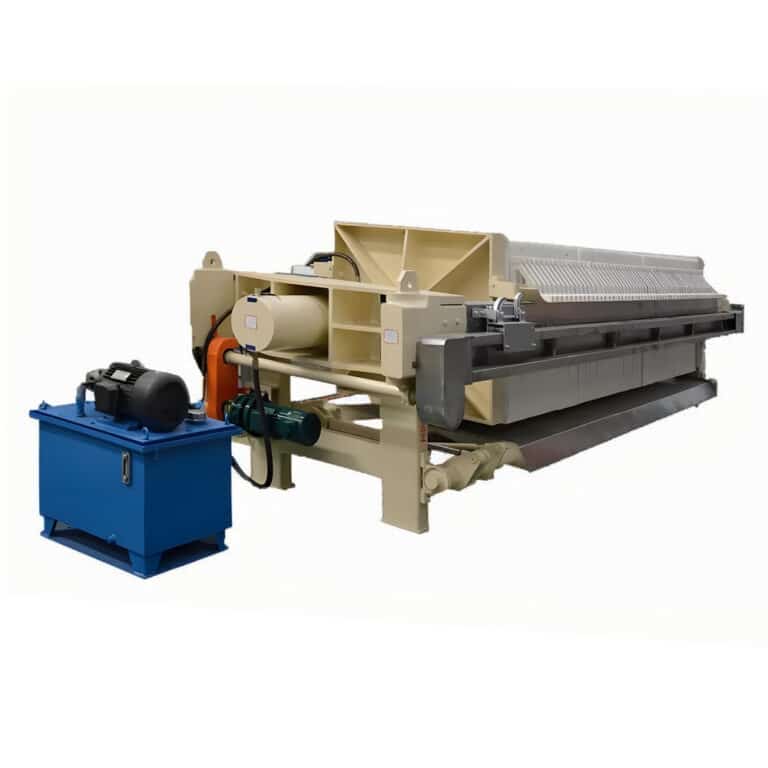
Für Verfahrensingenieure und Betriebsleiter dreht sich die Wahl zwischen verschiedenen Filterpressenkonfigurationen oft um eine einzige, kostspielige Kennzahl: die Endkuchenfeuchte. Ein weit verbreiteter Irrglaube ist, dass längere Filtrationszyklen oder ein höherer Speisedruck allein dieses Problem lösen. In Wirklichkeit diktiert die grundlegende Konstruktion der Pressenplatte die physikalischen Grenzen der Entwässerungsleistung und macht die anfängliche Auswahl zu einer kritischen, langfristigen Betriebsentscheidung.
Die finanziellen Auswirkungen dieser Entscheidung sind unmittelbar und schwerwiegend. Entsorgungskosten, Energie für die thermische Trocknung und Engpässe im Durchsatz stehen in direktem Zusammenhang mit dem im Kuchen verbleibenden Feuchtigkeitsgehalt. Die Wahl der falschen Technologie führt zu höheren Betriebskosten, während die richtige Technologie einen Abfallstrom in eine besser handhabbare und oft auch wertvollere Ressource verwandelt.
Vertiefte Kammer vs. Platte & Rahmen: Wesentliche Designunterschiede
Das mechanische Fundament verstehen
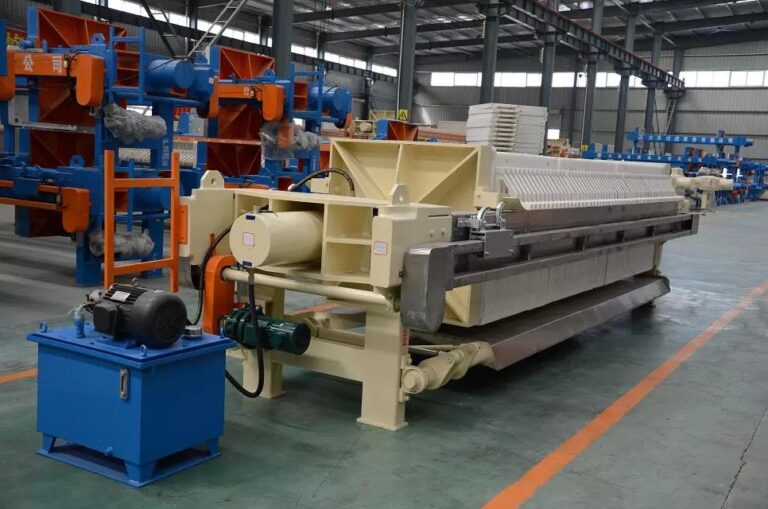
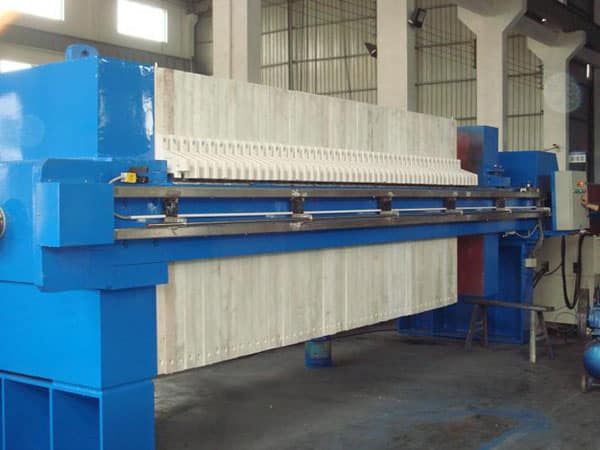
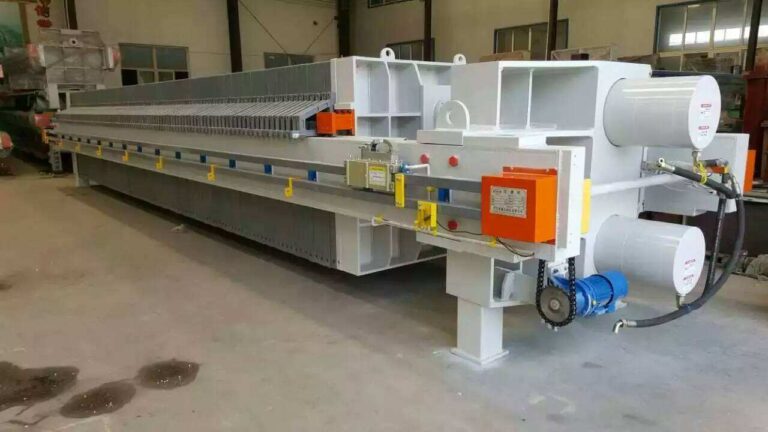
Der Hauptunterschied liegt in der Plattenkonstruktion und dem daraus resultierenden Entwässerungsmechanismus. Bei einer traditionellen Platten- und Rahmenpresse wechseln sich massive, bündige Platten mit hohlen Rahmen ab. Der Schlamm füllt den Hohlraum des Rahmens, und die Entwässerung hängt ausschließlich vom Druck der Förderpumpe ab, der mit zunehmendem Kuchenwiderstand natürlich abnimmt. Durch diesen passiven Prozess ist der erreichbare Trockengehalt von Natur aus begrenzt. Im Gegensatz dazu werden bei einer Presse mit vertiefter Kammer identische Platten verwendet, die jeweils eine vertiefte, eingedrückte Oberfläche aufweisen. Wenn sie zusammengepresst werden, bilden diese Vertiefungen die Kammern, in denen sich der Kuchen bildet. Dieses Design ist nicht nur eine Variante, sondern die wesentliche Plattform, die fortschrittliche Entwässerungstechnologien ermöglicht.
Die entscheidende Rolle von Füttern und Quetschen
Der eigentliche Wert der vertieften Kammer ist die Grundlage für die Membranplatte. Diese Platte enthält in ihrer Aussparung eine flexible Membran, die nach der anfänglichen Kuchenbildung eine zweite, mechanische Hochdruck-Pressphase ermöglicht. Diese aktive Kompression ist das entscheidende technische Unterscheidungsmerkmal, um eine geringere Feuchtigkeit zu erreichen. Darüber hinaus ist die Gestaltung der Einfüllöffnung ein anwendungsspezifisches Kriterium, das oft übersehen wird. Bei Vertiefungskammern wird in der Regel eine robuste Zentraleinspeisung verwendet, während bei Membranplatten häufig eine Eckeinspeisung zum Einsatz kommt. Die Eckbeschickung fördert die Integrität des Kuchens während der Waschzyklen, ein entscheidender Faktor für Prozesse, die eine hochreine Rückgewinnung oder eine effiziente Nutzung des Waschwassers erfordern.
Auswirkungen des Designs auf die Leistung
Diese Konstruktionsunterschiede führen zu unterschiedlichen Leistungsmerkmalen. Das System mit Platte und Rahmen ist ein einfaches, druckbegrenztes System. Die standardmäßige vertiefte Kammer bietet eine robustere Konstruktion für höhere Zufuhrdrücke, hat aber dieselbe grundsätzliche Trockenheitsbegrenzung. Die mit einer Membran ausgestattete vertiefte Kammer führt jedoch eine separate, kontrollierte Entwässerungskraft ein. Dadurch wird die Endkuchenfeuchte von den Beschränkungen des Pumpendrucks und der Filtrationszeit entkoppelt, wodurch sich die technische Herausforderung von der Verlängerung der Zyklen auf die Optimierung eines Mehrphasenprozesses verlagert.
| Merkmal | Teller & Rahmen Design | Vertieftes Kammerdesign |
|---|---|---|
| Plattenkonstruktion | Abwechselnd massive Platten und hohle Rahmen | Identische Platten mit gekerbten Oberflächen |
| Mechanismus der Entwässerung | Nur Druck der Förderpumpe | Grundlage für die Membranquetschungsphase |
| Typischer Einspeiseanschluss | Variiert | Robuster Zentraleinzug |
| Hauptunterscheidungsmerkmal | Einfacher, niedrigerer Druck | Ermöglicht sekundäre Hochdruckkompression |
Quelle: Technische Dokumentation und Industriespezifikationen.
Welche Konfiguration liefert eine geringere Kuchenfeuchte? Daten im Vergleich
Der Druckunterschied ist ausschlaggebend
Die Daten zeigen eindeutig, dass Konfigurationen mit einem Membranquetschmechanismus die niedrigste Kuchenfeuchte liefern. Bei herkömmlichen Pressen mit vertiefter Kammer oder mit Platten und Rahmen liegt der maximale Betriebsdruck in der Regel bei 7 bar (100 psi). Eine Membranplatte übt eine sekundäre Druckkraft von 15-24 bar (225-350 psi) direkt auf den geformten Kuchen aus. Dieser um eine Größenordnung höhere Druck ist der Hauptgrund für die endgültige Trockenheit und nicht für die verlängerte Filtrationszeit. Die Membran unterbricht die Filtrationsphase absichtlich früh, um diese effizientere mechanische Entwässerung einzuleiten.
Quantifizierung der Feuchtigkeitsreduzierung
Der Leistungsgewinn durch diese aktive Kompression ist beträchtlich und erhöht den endgültigen Feststoffgehalt des Kuchens oft um 50% bis 100% im Vergleich zu Systemen ohne Membran. Für einen gewöhnlichen Industrieschlamm bedeutet dies, dass ein Kuchen, der in einer Standardpresse auf 30% Feststoffe entwässert wird, mit einer Membranpresse 45-60% Feststoffe erreichen kann. Durch diese drastische Reduzierung wird die wirtschaftliche Rechtfertigung von einem einfachen Vergleich der Investitionskosten (Capex) zu einer langfristigen Optimierung der Betriebskosten (Opex). Die Einsparungen bei den Entsorgungskosten oder die geringere thermische Trocknungsbelastung können die höheren Anfangsinvestitionen schnell rechtfertigen. Unsere Analyse von Pilotdaten hat ergeben, dass der Übergangspunkt, an dem die Einsparungen die Kapitalprämie für Membranen ausgleichen, bei großvolumigen Anwendungen oft innerhalb von 12-18 Monaten erreicht wird.
| Konfiguration | Maximaler Speisedruck | Sekundärer Quetschdruck | Feststoffgehalt des Kuchens steigt |
|---|---|---|---|
| Platte & Rahmen / Standard Vertieft | 7 bar (100 psi) | Nicht anwendbar | Basislinie |
| Membrane Platte | 7 bar (100 psi) | 15-24 bar (225-350 psi) | 50% bis 100% höher |
Anmerkung: Beispiel: Schlamm mit 30% Feststoffgehalt ohne Membran erreicht 45-60% Feststoffgehalt mit Membran.
Quelle: Technische Dokumentation und Industriespezifikationen.
Kostenanalyse: Vergleich zwischen Kapitalinvestition und operativem ROI
Die Kapitalkostenhierarchie
Die Investitionskostenhierarchie ist klar: Herkömmliche Platten- und Rahmenkonstruktionen haben in der Regel die niedrigsten Anschaffungskosten, gefolgt von Standard-Einbaukammerpressen. Ein komplettes Paket von Membranplatten erfordert die höchsten Anfangsinvestitionen. Es ist jedoch ein strategischer Fehler, diese Optionen nur anhand der Investitionskosten zu bewerten. Die wahre Analyse muss die Gesamtbetriebskosten umfassen, wobei sich die leistungsstärkere Technologie über ihren Lebenszyklus hinweg häufig als wirtschaftlicher erweist.
Rechtfertigung der Investition durch betriebliche Einsparungen
Die Investition in die Membrantechnologie ist durch die damit verbundenen betrieblichen Einsparungen gerechtfertigt. Ein trockenerer Kuchen reduziert direkt die zu deponierende Tonnage oder den Energiebedarf für die thermische Trocknung. Kürzere Zykluszeiten erhöhen den Durchsatz, wodurch die Anzahl der erforderlichen Presseneinheiten oder Schichten reduziert werden kann. Eine kritische, oft übersehene strategische Option ist die “Mixed Pack”-Konfiguration. Bei dieser Hybridkonfiguration wechseln sich Einlege- und Membranplatten in derselben Presse ab, wodurch ein erheblicher Teil der Vorteile der Feuchtigkeitsreduzierung zu 30-40% niedrigeren Investitionskosten als bei einem vollständigen Membranpaket erzielt wird. Dies ist eine wichtige Überlegung bei der Beschaffung zur Optimierung des Verhältnisses zwischen Investitionskosten und Leistung.
| Entwurf Konfiguration | Relative Kapitalkosten | Wichtiger operativer Nutzen | Strategische Überlegungen |
|---|---|---|---|
| Teller & Rahmen | Niedrigste | Vereinfachung | Begrenzte Trockenheit, längere Zyklen |
| Standard-Vertiefungskammer | Mittel | Robuste Konstruktion | Höherer Druck, kein Quetschen |
| Volles Membranpaket | Höchste | Trockenster Kuchen, kürzeste Zyklen | Gerechtfertigt durch Einsparungen bei der Entsorgung |
| Mixed Pack (Hybrid) | 30-40% niedriger als die vollständige Membran | Erhebliche Reduzierung der Feuchtigkeit | Optimiert Investitionen und Leistung |
Quelle: Technische Dokumentation und Industriespezifikationen.
Leistung im Vergleich: Zykluszeit, Durchsatz und Feuchtigkeitsgehalt
Das Verhältnis von Zeit und Druck
Die Leistung dieser Konstruktionen unterscheidet sich grundlegend in der Beziehung zwischen Zeit, Druck und Ergebnis. Bei Pressen ohne Membranen ist die Ertragskurve abnehmend: Mit zunehmendem Kuchenwiderstand verlängern sich die Filtrationszyklen, um einen marginalen Gewinn an Trockenheit zu erzielen. Membransysteme revolutionieren diese Kurve, indem sie die zeitintensive Filtration durch eine aktive mechanische Entwässerung ersetzen. Dies führt zu einer drastischen Verkürzung der Gesamtzykluszeiten, was sich direkt in einem höheren Durchsatz bei gleichem Endfeuchtigkeitsziel niederschlägt.
Mehrwert über die Entwässerung hinaus
Bei Prozessen, die eine hohe Reinheit erfordern, ermöglichen Membranplatten ein oft ungenutztes Leistungsmerkmal: die effiziente Kuchenwäsche. Ein Niederdruck-Vorabscheider kann verwendet werden, um eine einheitliche, konsolidierte Kuchenstruktur zu schaffen. Dadurch wird sichergestellt, dass die Waschflüssigkeit gleichmäßig durch das Kuchenbett fließt, was die Entfernung von Verunreinigungen verbessert und den Waschwasserverbrauch im Vergleich zum Waschen eines weichen, ungleichmäßigen Kuchens in einer Standardpresse erheblich reduziert. Dies führt zu einem zusätzlichen Prozesswert, der über die reine Feuchtigkeitsreduzierung hinausgeht und sich auf die Produktqualität und die Abwasserbehandlung auswirkt.
| Leistungstreiber | Nicht-Membranpresse | Membranpresse |
|---|---|---|
| Zykluszeit-Trend | Verlängert mit Kuchenwiderstand | Deutlich kürzer insgesamt |
| Primäre Entwässerung | Zeitintensive Filtration | Aktive mechanische Quetschung |
| Durchsatz (gleiche Feuchte) | Unter | Höher |
| Effizienz der Kuchenwäsche | Standard | Verbessert, weniger Waschwasser |
Quelle: Technische Dokumentation und Industriespezifikationen.
Vergleich der Anwendungsfälle: Welches Design passt zu Ihrem Abfallstrom?
Anpassung der Technologie an die Schlammeigenschaften
Bei der Auswahl der richtigen Konstruktion müssen die Fähigkeiten der Presse auf die Eigenschaften des Schlamms und die Prozessziele abgestimmt werden. Herkömmliche Platten- und Rahmenpressen eignen sich für einfache, unkritische Trennungen, bei denen die ultimative Kuchentrockenheit nicht im Vordergrund steht, wie z. B. bei bestimmten Mineralkonzentraten oder der Anschwemmfiltration. Standardausführungen mit vertieften Kammern bieten eine robustere Konstruktion für höhere Druckzuführungen, haben jedoch die gleichen grundlegenden Trockenheitseinschränkungen.
Festlegung der optimalen Anwendungszonen
Membranpressen sind die optimale Wahl für Anwendungen, die einen möglichst trockenen Kuchen, kürzeste Zykluszeiten oder eine effiziente Kuchenwäsche erfordern. Dazu gehören kommunale Klärschlämme, chemische Ausfällungen und Mineralienverarbeitung, bei denen die Rückgewinnung gelöster Stoffe wichtig ist. Die gemischte Konfiguration ist ein hervorragender Mittelweg für Standard-Industrieschlämme (z. B. aus der Metallveredelung oder der Lebensmittelverarbeitung), bei denen eine erhebliche Feuchtigkeitsreduzierung erforderlich ist, das Budget jedoch knapp bemessen ist. Dieser Entscheidungsrahmen verlagert den Wert des Lieferanten vom einfachen Verkauf von Hardware hin zur Bereitstellung integrierter, anwendungsspezifischer Lösungen für Filterpressen mit vertiefter Kammer.
Überlegungen zum Betrieb und zur Wartung für jedes Design
Komplexität skaliert mit der Fähigkeit
Die Komplexität des Betriebs nimmt mit dem technologischen Fortschritt zu. Platten- und Rahmenpressen sowie Standard-Kammerpressen sind relativ einfach zu bedienen, können aber längere, mehr manuelle Zyklen erfordern. Bei Membranpressen sind zusätzliche sequenzielle Schritte (Auspressen, Waschen) und Hilfssysteme erforderlich. Diese inhärente Komplexität treibt die Einführung von Halb- oder Vollautomatisierung voran, um Zykluskonsistenz und Sicherheit zu gewährleisten und die Durchsatzvorteile kürzerer Zyklen zu nutzen.
Kritische Entscheidungen bei Wartung und Medien
Eine wichtige Entscheidung ist die Wahl des Druckmediums. Zwar kann auch Druckluft verwendet werden, doch wird Wasser unter Druck ausdrücklich empfohlen, da es nicht komprimierbar ist und somit eine bessere Kontrolle, Sicherheit und gleichmäßigere Druckanwendung bietet. Diese Entscheidung hat Auswirkungen auf die Anforderungen an die Versorgungsinfrastruktur. Bei der Wartung von Membranplatten liegt der Schwerpunkt auf der Überwachung der Membranintegrität; Verschleiß oder Beschädigungen sind häufig eine Folge von ungleichmäßiger Kuchenbildung. Dies unterstreicht, dass eine Investition in die Membrantechnologie oft eine gleichzeitige Investition in die richtige Aufbereitung der Zufuhr und in automatisierte Kontrollsysteme erfordert.
| Aspekt | Platte & Rahmen / Standard Einbauplatte | Membranpresse |
|---|---|---|
| Operative Komplexität | Relativ einfach | Höhere, zusätzliche Stufen |
| Trend zur Automatisierung | Manuell oder einfach | Halb- oder Vollautomatisierung empfohlen |
| Fokus auf kritische Wartung | Allgemeiner Verschleiß von Platten/Tüchern | Überwachung der Membranintegrität |
| Bevorzugt Squeeze Medium | K.A. | Unter Druck stehendes Wasser (über Luft) |
Quelle: Technische Dokumentation und Industriespezifikationen.
Raum-, Personal- und Versorgungsbedarf: Ein praktischer Vergleich
Grundfläche und Zusatzbedarf
Die Presse selbst benötigt eine ähnliche Stellfläche bei gleichem Kammervolumen. Der Unterschied liegt in den Hilfssystemen. Eine Membranpresse benötigt einen Hochdruck-Wasserskid oder einen Luftkompressor für die Auspressfunktion, was den Platz- und Energiebedarf erhöht. Die Entscheidung für Wasser anstelle von Luft ist zwar aus betrieblicher Sicht besser, erfordert aber möglicherweise eine spezielle Pumpen- und Wasseraufbereitungsinfrastruktur, die bei der Anlagenplanung berücksichtigt werden muss.
Die Korrelation zwischen Personalausstattung und Automatisierung
Der Personalbedarf korreliert direkt mit dem Automatisierungsgrad. Eine manuelle Platten- und Rahmenpresse erfordert mehr Arbeitskräfte pro Zyklus für die Plattenverschiebung und den Kuchenaustrag. Eine automatisierte Membranpresse minimiert manuelle Eingriffe, erfordert aber höher qualifizierte Techniker für die Systemüberwachung, Programmierung und Wartung. Die Umstellung auf Automatisierung ist nicht nur eine Bequemlichkeit, sondern eine logische und notwendige Entwicklung, um die Vorteile der kürzeren, komplexeren Zyklen, die die Membrantechnologie ermöglicht, in Bezug auf Durchsatz und Konsistenz zuverlässig zu nutzen.
Entscheidungsrahmen: Wie man die richtige Filterpresse auswählt
Definieren Sie nicht verhandelbare Ergebnisse
Gehen Sie über einen einfachen Gerätevergleich hinaus. Legen Sie zunächst die erforderlichen Prozessergebnisse fest: den angestrebten Feuchtigkeitsgehalt des Kuchens, den erforderlichen Durchsatz (trockene Feststoffe pro Stunde) und den Bedarf an Kuchenwäsche oder Rückgewinnung gelöster Stoffe. Dies sind die festen Parameter, an denen alle Optionen gemessen werden.
Analysieren Sie Futtermittel und Gesamtkosten
Zweitens muss der Schlamm gründlich charakterisiert werden - Partikelgrößenverteilung, Chemie und Temperatur -, da dies die Auswahl der Gewebe und die Konstruktion des Zuführsystems beeinflusst. Drittens: Führen Sie eine strenge Analyse der Gesamtbetriebskosten durch. Quantifizieren Sie die nachgelagerten Einsparungen bei Entsorgung, Energie und potenzieller Produktrückgewinnung im Vergleich zu den höheren Kapital- und Wartungskosten. Viertens: Bewerten Sie explizit das “Mischpaket” als kostenleistungsoptimierte Lösung. Wählen Sie schließlich einen Lieferanten auf der Grundlage seiner Testmöglichkeiten und anwendungsspezifischen Kenntnisse aus, um das Risiko zu minimieren und sicherzustellen, dass die Hardware mit Ihren allgemeinen Betriebs- und Nachhaltigkeitszielen übereinstimmt.
Bei der Entscheidung zwischen einer vertieften Kammer und einem herkömmlichen Design kommt es darauf an, die Betriebsergebnisse über die Anschaffungskosten zu stellen. Bei Anwendungen, bei denen sich die Feuchtigkeit des Kuchens direkt auf die Entsorgungsgebühren oder die Kosten für die nachgeschaltete Verarbeitung auswirkt, rentiert sich die mechanische Effizienz einer Membranquetsche schnell. Das gemischte Hybridpaket bietet einen strategischen Kompromiss, der erhebliche Leistungssteigerungen bei überschaubaren Investitionskosten ermöglicht.
Benötigen Sie professionelle Beratung, um den ROI für Ihre spezifischen Gülle- und Durchsatzanforderungen zu modellieren? Das Ingenieurteam von PORVOO kann datengestützte Analysen und Pilotversuche durchführen, um die optimale Konfiguration für Ihre Anlage zu ermitteln. Für eine detaillierte Beratung zu Ihrer Anwendung können Sie auch Kontakt direkt.
Häufig gestellte Fragen
F: Wie erreicht eine Membranfilterpresse eine deutlich niedrigere Kuchenfeuchte als eine Standard-Kammerpresse?
A: Eine Membranpresse verwendet eine sekundäre Hochdruck-Pressphase, die eine direkte Druckkraft von 15-24 bar (225-350 psi) auf den Kuchen ausübt, im Gegensatz zu einer Standardpresse, die sich ausschließlich auf den abnehmenden Druck der Förderpumpe verlässt, der auf etwa 7 bar begrenzt ist. Diese aktive mechanische Entwässerung kann den endgültigen Feststoffgehalt um 50% bis 100% erhöhen. Das bedeutet, dass Anlagen, die auf einen möglichst trockenen Kuchen abzielen, um die Entsorgungskosten zu senken, der Membrantechnologie den Vorzug vor einfachen Konstruktionen geben müssen.
F: Was ist ein “gemischtes Paket” und wann sollten wir es in Betracht ziehen?
A: Bei einem gemischten Paket wechseln sich standardmäßige vertiefte Platten mit Membranplatten in derselben Filterpresse ab. Dieses hybride Design liefert einen wesentlichen Teil der Vorteile der Feuchtigkeitsreduzierung bei 30-40% niedrigeren Kapitalkosten als ein komplettes Membranpaket. Für Projekte, bei denen Budgetbeschränkungen bestehen, aber dennoch eine erhebliche Verbesserung des Trockengehalts gegenüber einer Basispresse erforderlich ist, optimiert diese Konfiguration das Verhältnis zwischen Kapitalaufwand und Leistung.
F: Warum wird für die Membranquetschfunktion Wasser unter Druck gegenüber Druckluft empfohlen?
A: Wasser unter Druck wird ausdrücklich empfohlen, da es nicht komprimierbar ist, was eine bessere Kontrolle über den angewandten Abpressdruck ermöglicht und die Betriebssicherheit im Vergleich zur Verwendung von Druckluft erhöht. Diese Entscheidung hat Auswirkungen auf die Versorgungsinfrastruktur, da sie möglicherweise ein spezielles Hochdruck-Pumpensystem erfordert. Wenn Ihr Betrieb die Membrantechnologie einsetzt, sollten Sie das zugehörige Wassersystem in der ersten Layout- und Versorgungsplanungsphase einplanen.
F: Wie wirkt sich die Wahl der Filterpressenkonstruktion auf die Gesamtzykluszeit und den Durchsatz aus?
A: Membransysteme verkürzen die Zykluszeiten drastisch, indem sie die zeitintensive Filtration durch eine schnelle Hochdruck-Pressphase ersetzen und so den Durchsatz bei einem bestimmten Feuchtigkeitsgrad direkt erhöhen. Bei Pressen, die keine Membranen verwenden, verlängern sich die Zyklen, da sich der Widerstand des Kuchens aufbaut, so dass viel Zeit für einen begrenzten Trockenheitsgewinn aufgewendet werden muss. Für Betriebe, bei denen die Maximierung der Verarbeitungskapazität entscheidend ist, rechtfertigen die kürzeren Zyklen einer Membranpresse die höheren Automatisierungs- und Investitionskosten.
F: Was sind die wichtigsten betrieblichen Unterschiede zwischen dem Betrieb einer manuellen Platten- und Rahmenpresse und einer automatischen Membranpresse?
A: Eine manuelle Platten- und Rahmenpresse erfordert einen höheren Arbeitsaufwand pro Zyklus für das Verschieben der Platten und das Entladen des Kuchens, hat aber eine einfachere Mechanik. Eine automatisierte Membranpresse minimiert manuelle Eingriffe, führt aber komplexere Schritte ein (Auspressen, Waschen) und erfordert höher qualifizierte Techniker für die Überwachung des Zustands der Membranen und die Wartung der Hilfssysteme. Diese betriebliche Belastung bedeutet, dass die Investition in eine fortschrittliche Entwässerungstechnologie oft eine gleichzeitige Investition in automatische Steuerungen und geschultes Personal erfordert.
F: Wie sollten wir bei der Auswahl des Lieferanten vorgehen, wenn wir eine neue Filterpresse kaufen?
A: Wählen Sie einen Lieferanten auf der Grundlage seiner Anwendungstestkapazitäten und Prozesskenntnisse aus, nicht nur auf der Grundlage der Gerätespezifikationen. Ein kompetenter Anbieter hilft Ihnen bei der Charakterisierung Ihres spezifischen Schlamms und führt Versuche durch, um das Risiko zu minimieren und sicherzustellen, dass das gewählte Plattendesign, die Konfiguration der Zuführungsöffnungen und die Tuchauswahl zu Ihrem Abfallstrom passen. Dadurch wird aus dem Kauf von allgemeiner Hardware eine integrierte, anwendungsspezifische Lösung, die auf Ihre Feuchtigkeits- und Durchsatzziele abgestimmt ist.