Für Manager von Industrieanlagen ist die Auswahl eines Pulse Jet Staubabscheiders nicht mehr nur eine Beschaffungsaufgabe. Es ist eine strategische Entscheidung, die sich direkt auf die betriebliche Effizienz, die Einhaltung von Vorschriften und die langfristige finanzielle Leistungsfähigkeit auswirkt. Die Herausforderung besteht darin, sich in einer komplexen Landschaft aus technischen Spezifikationen, sich entwickelnden Normen und konkurrierenden ROI-Angaben zurechtzufinden, um ein System zu finden, das nicht nur angemessen, sondern optimal für Ihren spezifischen Prozess ist.
Im Jahr 2025 steht noch mehr auf dem Spiel. Die Luftqualitätsnormen werden verschärft, die Energiekosten schwanken, und die Folgen einer Nichteinhaltung - von Geldstrafen bis hin zu Produktionsausfällen - sind gravierend. Ein moderner Staubabscheider ist ein wichtiger Bestandteil der Prozessinfrastruktur. Seine Leistung wirkt sich auf die Produktqualität, die Sicherheit der Mitarbeiter und das Endergebnis aus, weshalb ein gründlicher, technisch fundierter Auswahlprozess unerlässlich ist.
Die Funktionsweise von Pulse Jet Entstaubungsanlagen: Grundprinzipien erklärt
Mechanismus der Kernfiltration
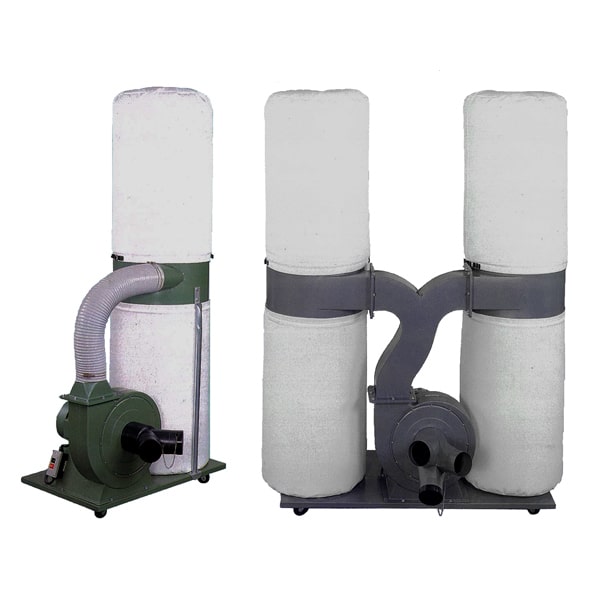
Ein Pulse-Jet-Staubabscheider funktioniert wie ein kontinuierlicher, hocheffizienter Gewebefilter. Verunreinigte Luft tritt in das Gehäuse ein und wird durch Filterschläuche oder -patronen gesaugt. Die Partikel werden an der Außenfläche des Filtermaterials aufgefangen und bilden einen porösen Staubkuchen, der die Filterleistung im Laufe der Zeit sogar noch steigert. Dieser Prozess läuft ununterbrochen weiter und ermöglicht einen konstanten Betrieb der angeschlossenen Prozessausrüstung.
Der Pulse Jet Reinigungszyklus
Das entscheidende Merkmal des Systems ist sein automatischer Reinigungsmechanismus. Wenn der angesammelte Staub den Differenzdruck (dP) über den Filtermedien auf einen voreingestellten Grenzwert ansteigen lässt, wird in jeden Filter ein kurzer Druckluftstoß unter hohem Druck (ca. 0,1 Sekunden) abgegeben. Dieser Impuls erzeugt eine Schockwelle, die den Filter hinunterläuft, das Filtermedium biegt und den Staubkuchen in einen darunter liegenden Sammelbehälter ablöst. Diese bedarfsgesteuerte Reinigung wandelt die Wartung von reaktiv zu vorausschauend, da der dP-Sensor einen kontinuierlichen Datenstrom über den Zustand des Systems und die Filterbelastung liefert.
Kritische Komponenten und Fehlerstellen
Die Zuverlässigkeit dieses Zyklus hängt von Präzisionskomponenten ab. Die Impulsventile müssen gleichmäßig ansprechen, und die Druckluft muss sauber und trocken sein. Das Venturi-Rohr, das über jedem Filter angebracht ist, ist entscheidend für die Verstärkung des Reinigungsimpulses. Meiner Erfahrung nach ist ein defektes Venturi ein einzelner Punkt des Leistungsversagens wird bei Routinekontrollen oft übersehen. Dies führt zu einer ineffizienten Reinigung, einem raschen Anstieg des Druckabfalls und einem erhöhten Energieverbrauch und kann zu einem Compliance-Ereignis führen, wenn es nicht sofort behoben wird.
Die wichtigsten Typen von Impulsstrahl-Kollektoren und ihre industriellen Anwendungen
Zylindrische vs. modulare quadratische Designs
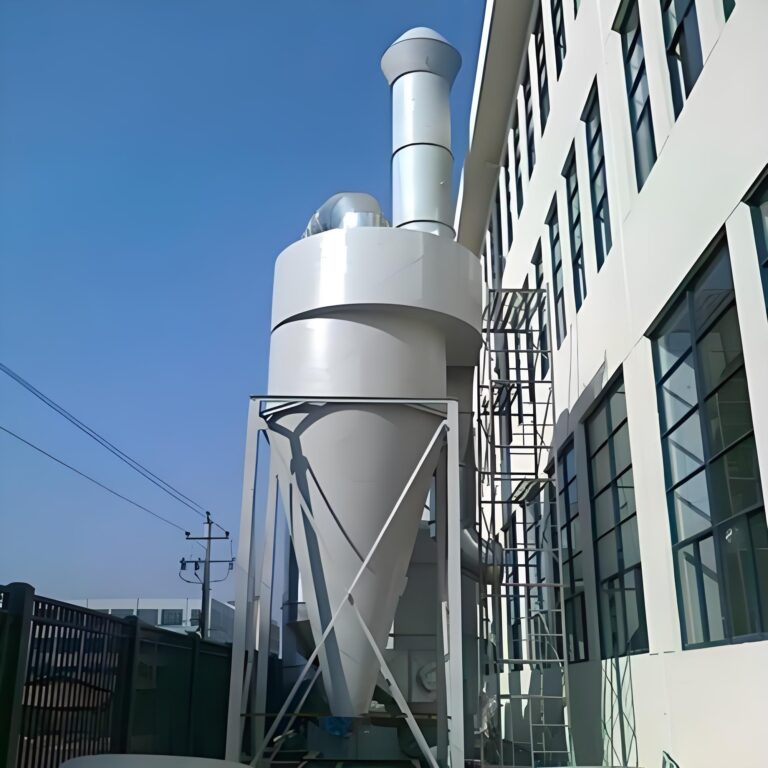
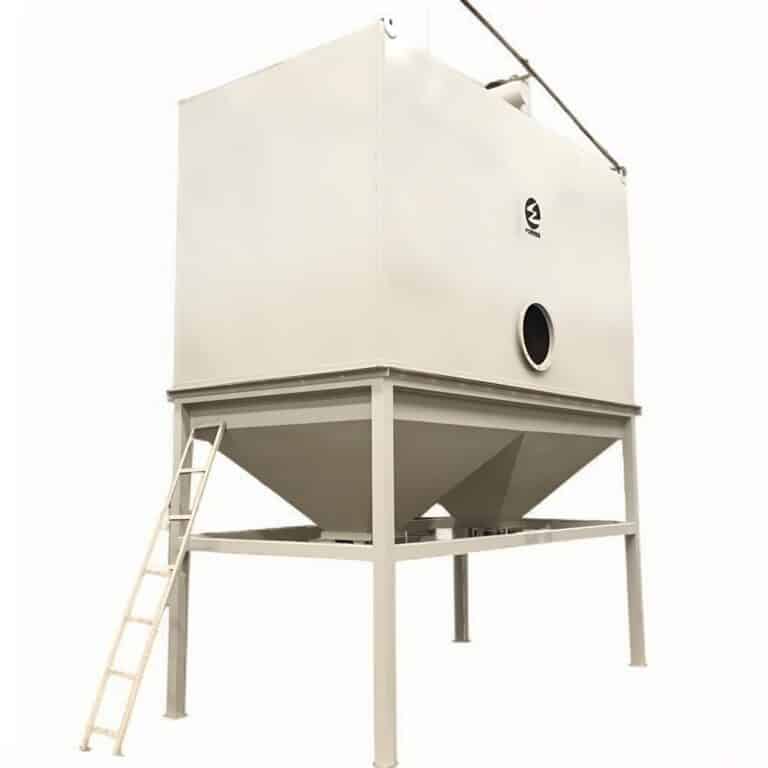
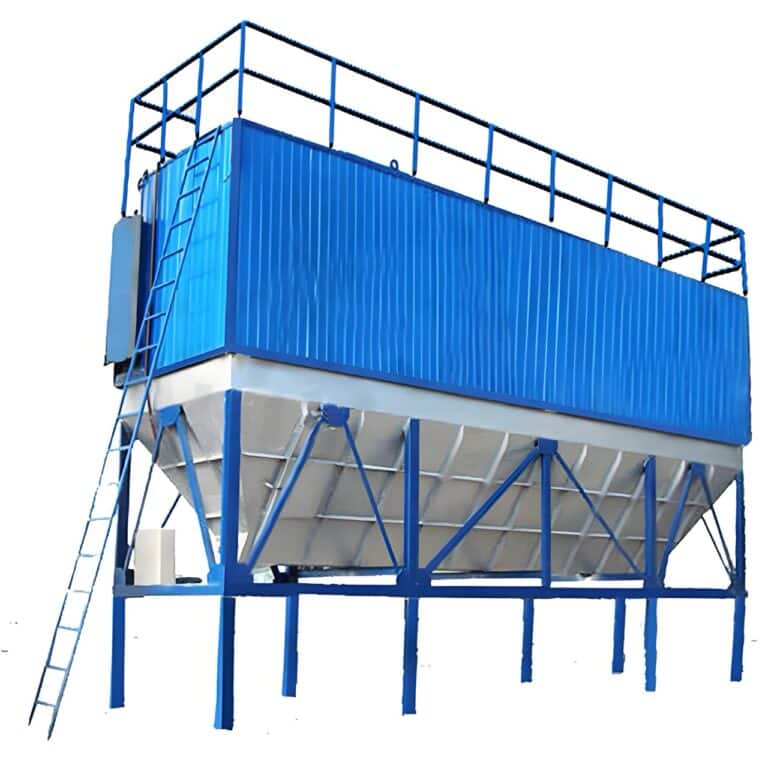
Die Kollektortypologie geht direkt auf spezifische Risikoprofile ein. Zylindrische (runde) Kollektoren sind auf Robustheit ausgelegt und entsprechen häufig den ASME-Druckbehälter-Normen. Sie verfügen in der Regel über einen tangentialen Einlass, der eine Zyklonwirkung zur Vorabscheidung schwererer Partikel erzeugt. Diese Konstruktion ist ideal für Hochtemperaturanwendungen oder Prozesse mit brennbaren Stäuben, bei denen die strukturelle Integrität von größter Bedeutung ist. Umgekehrt bieten modulare Einheiten mit quadratischem Gehäuse eine überragende Flexibilität für Anlagen mit begrenztem Platzangebot. Ihr Modularer Aufbau ist eine strategische Absicherung gegen Unsicherheit, Dadurch können Sie bei wachsender Produktionskapazität Module hinzufügen, oft ohne größere strukturelle Veränderungen.
Patronen und spezialisierte Sammler
Für Anwendungen, die eine große Filterfläche auf kleinstem Raum erfordern, wie z. B. Schweißrauch oder pharmazeutisches Pulver, sind Patronensammler der Standard. Sie verwenden plissierte Medien, um die Oberfläche zu maximieren. Neben diesen gängigen Typen gibt es auch spezielle Varianten für Nischenanwendungen: Entlüftungsfilter für die Staubkontrolle bei der Befüllung von Silos oder Trichtern, Nebenstromfilter für die aggressive Reinigung bei kontinuierlichen Prozessen wie der Zementherstellung und spezielle Dunstabscheider, die für Gefahren durch Partikel im Submikronbereich ausgelegt sind.
Zuordnung des Typs zur Prozessgefährdung
Die Wahl des falschen Abscheidertyps birgt ein erhebliches Risiko. Die Verwendung einer Allzweckkonstruktion für eine spezielle Gefahr, wie z. B. brennbaren Metallstaub, beeinträchtigt die Sicherheit. Die Wahl muss auf einer detaillierten Analyse der Prozessrisiken beruhen, die die Explosivität des Staubs, die Abrasivität der Partikel und die Betriebstemperatur berücksichtigt. Diese Abstimmung gewährleistet, dass das System nicht nur effektiv, sondern auch sicherer ist.
Die Auswahl des richtigen Filtermaterials: Ein technischer Leitfaden aus dem Jahr 2025
Die Grundlage der Gesamtbetriebskosten
Die Auswahl der Filtermedien bestimmt die Gesamtbetriebskosten. Das Medium ist das funktionale Herzstück des Systems, und eine falsche Wahl ist der schnellste Weg zu vorzeitigem Ausfall, ungeplanten Ausfallzeiten und steigenden Kosten für Verbrauchsmaterialien. Ziel ist es, die chemische Zusammensetzung und die physikalische Struktur des Mediums genau auf die Staubeigenschaften, die Prozesstemperatur und die Feuchtigkeitsbedingungen abzustimmen.
Medientypen und Eigenschaftsmatrix
Im Jahr 2025 gibt es sowohl etablierte als auch moderne Medien. Die folgende Tabelle bietet einen umfassenden Vergleich der gängigen Filtermedien und ihrer wichtigsten Eigenschaften.
| Medienart | Max. Temp. Bereich | Schlüssel Eigenschaft / Anwendung |
|---|---|---|
| Polyester | Bis zu 275°F | Allgemeiner Gebrauch, kosteneffektiv |
| Fiberglas | Bis zu 500°F | Hochtemperaturprozesse |
| PTFE (Teflon) | Variiert | Hervorragende chemische Beständigkeit |
| PPS | Variiert | Saure/alkalische Umgebungen |
| Aramid | Variiert | Schwerentflammbarkeit erforderlich |
Quelle: Technische Dokumentation und Industriespezifikationen.
Die Konvergenz der Filtertechnologie
Die Fortschritte von heute führen zu Konvergenz der Filtertechnologie, Verwischung der traditionellen Kategorien. So kombinieren beispielsweise plissierte Schlauchfilter die große Oberfläche einer Patrone mit der tiefen Filterkuchenbildung eines herkömmlichen Schlauchs. Hybridmedien mit ePTFE-Membranlaminaten auf einem Trägermaterial bieten eine nahezu absolute Effizienz für Partikel im Submikronbereich. Planer müssen jetzt auf der Grundlage spezifischer Leistungskennzahlen - Effizienz, Durchlässigkeit und Haltbarkeit - bewerten, anstatt sich ausschließlich auf historische Materialkategorien zu verlassen.
Sicherstellung der Einhaltung der Luftqualitäts- und Sicherheitsstandards von 2025
Leistungsvergleiche und Tests
Die Einhaltung der OSHA-Grenzwerte für die Partikelexposition (PELs) und der EPA-Emissionsstandards ist nicht verhandelbar. Moderne Pulse-Jet-Systeme sind in der Lage, Partikel unterhalb von 2 Mikrometern abzuscheiden, wobei der Wirkungsgrad auf Massenbasis oft 99,99% übersteigt. Die Validierung dieser Leistung erfordert eine Bezugnahme auf etablierte Teststandards. Für die Endfiltration, bei der die Partikelabscheidung für Abluft oder Umluft bewertet wird, ist die ISO 16890-1:2016 Luftfilter für die allgemeine Lüftung bietet einen kritischen Klassifizierungsrahmen auf der Grundlage der PM1-, PM2.5- und PM10-Entfernungseffizienz.
Das Paradigma der datengesteuerten Compliance
Die Integration von dP-Sensoren und speicherprogrammierbaren Steuerungen (SPS) hat die Compliance-Landschaft verändert. Die Einhaltung der Emissionsvorschriften wird zu einer kontinuierlichen Datenprüfung. Diese Systeme erstellen Protokolle mit Zeitstempeln über Druckabfall, Reinigungszyklen und Ventilatorbetrieb. Die Aufsichtsbehörden könnten diese digitalen Aufzeichnungen zunehmend als prüfbaren Nachweis für den kontinuierlichen Betrieb innerhalb der Auslegungsparameter betrachten und von den Anlagen verlangen, dass sie ihre Staubabscheider als datenerzeugende Anlagen verwalten.
Nachhaltigkeit und Kohlenstoffbuchhaltung
Die Auswirkungen auf die Umwelt sind heute ein zentrales Thema. Eine Lebenszyklusanalyse zeigt, dass die Herstellung und der Betrieb von Staubabscheidern zur CO2-Bilanz einer Anlage beitragen. Eine strategische Antwort ist die Systemkonsolidierung.
| Leistungsmetrik | Ziel / Anforderung | Wichtigste Überlegung |
|---|---|---|
| Partikel einfangen | Weniger als 2 Mikrometer | Übertrifft den Wirkungsgrad von 99,99% |
| System-Konsolidierung | 3-10fache Energieeinsparung | Übereinstimmung mit den Nachhaltigkeitszielen |
| Compliance-Nachweise | Kontinuierliches dP-Datenprotokoll | Wird als prüfbarer Nachweis behandelt |
Quelle: ISO 16890-1:2016 Luftfilter für die allgemeine Lüftung. Diese Norm bildet den Rahmen für die Klassifizierung und Prüfung der Filtereffizienz auf der Grundlage der Partikelabscheidung, die entscheidend dafür ist, dass die Endfiltration eines Pulse-Jet-Kollektors bestimmte Luftreinheitsziele für Abluft oder Umluft erfüllt.
Das Ersetzen mehrerer kleiner, ineffizienter Einheiten durch ein einziges großes, optimiertes Zentralsystem kann den damit verbundenen Energieverbrauch um das 3-10-fache senken. Diese Maßnahme steht im Einklang mit den Nachhaltigkeitszielen des Unternehmens und ist ein Vorbote einer Zukunft, in der Kohlenstoffbilanzierung wird die Beschaffung von Staubabscheidern neu gestalten, Dadurch wird die Energieeffizienz zu einem vorrangigen Auswahlkriterium.
ROI-Berechnung: Von Energieeinsparungen bis zur Risikominderung
Über den Kaufpreis hinausgehen
Eine umfassende ROI-Analyse muss weit über die anfänglichen Investitionskosten hinausgehen. Ein erheblicher Wert wird durch immaterielle Risikominderung erzielt: Vermeidung von OSHA-Strafen in sechsstelliger Höhe, Verhinderung von Produktionsstillständen aufgrund von Konformitätsmängeln, Schutz der empfindlichen Produktqualität vor Verunreinigungen und Verlängerung der Lebensdauer nachgeschalteter Maschinen. Diese Faktoren sichern direkt die Rentabilität.
Die Gleichung der Energieeffizienz
Die betriebliche Rentabilität wird von den Energiekosten dominiert. Energieeffizienz ist eine Doppelfunktion von Design und Betrieb. Ein gut dimensionierter Kollektor mit optimal ausgewählten Komponenten minimiert den Druckabfall im Basissystem, wodurch der Leistungsbedarf des Hauptventilators reduziert wird. Gleichzeitig optimiert die “Clean-on-Demand”-Automatisierung den Einsatz von Druckluft, die in der Erzeugung teuer ist. Die Vernachlässigung eines der beiden Aspekte - eine schlechte anfängliche Konstruktion oder eine schlechte Betriebseinstellung - treibt die Betriebskosten auf unbestimmte Zeit in die Höhe.
Quantifizierung der operationellen Auswirkungen
In der folgenden Tabelle werden die wichtigsten ROI-Faktoren über den ursprünglichen Kauf hinaus aufgeschlüsselt und ihre direkten betrieblichen und finanziellen Auswirkungen hervorgehoben.
| ROI-Faktor | Operative Auswirkungen | Finanzielle Gegenleistung |
|---|---|---|
| Energie-Optimierung | Automatisierung auf Abruf | Reduziert den Druckluftverbrauch |
| System-Dimensionierung | Minimiert den Druckabfall der Basislinie | Senkt die Betriebskosten |
| Haltbarkeit der Filtermedien | Verlängert die Wechselintervalle | Reduziert Ausfallzeiten und Verbrauchsmaterialien |
| Regulatorisches Risiko | Vermeidet Geldstrafen und Abschaltungen | Schützt die Rentabilität |
Quelle: Technische Dokumentation und Industriespezifikationen.
Durch diese ganzheitliche Sichtweise wird der Staubabscheider von einer Kostenstelle für die Instandhaltung zu einem strategischen Vermögenswert für das betriebliche und finanzielle Risikomanagement umgestaltet.
Überlegungen zur Installation, Raumplanung und Systemintegration
Physische und betriebliche Planung
Eine wirksame Installation erfordert einen doppelten Fokus auf die physische Logistik und die betriebliche Integration. Bei der Raumplanung müssen die Grundfläche des Kollektors, die Zugangswege für die Wartung, die Verlegung der Rohrleitungen mit minimalen Bögen zur Verringerung des Druckverlusts und der Freiraum für den Filterwechsel berücksichtigt werden. Sie muss auch künftige Erweiterungen zulassen, eine Flexibilität, die modulare Designs mit sich bringen. Die Systemintegration umfasst den nahtlosen Anschluss an die Prozessausrüstung, zuverlässige Druckluftzufuhrleitungen mit Trocknern und Filtern sowie die korrekte Verriegelung mit den elektrischen Steuerungen und Sicherheitssystemen der Anlage.
Evaluierung des Dienstleistungsökosystems
Ein entscheidender, oft unterschätzter Faktor ist die das Ökosystem der Aftermarket-Dienstleistungen als kritische Schwachstelle. Ein hochentwickeltes System ist nur so zuverlässig wie die Unterstützung, die es bietet. Komplexe Steuerungen oder firmeneigene Komponenten können kostspielige, längere Ausfallzeiten verursachen, wenn vor Ort kein technisches Fachwissen oder Ersatzteile verfügbar sind. Daher ist die Bewertung des lokalen Servicenetzes des Herstellers oder Lieferanten, die Reaktionsfähigkeit des technischen Supports und die wettbewerbsfähige Verfügbarkeit von Verbrauchsmaterialien wie Filterschläuchen ebenso wichtig wie der physische Installationsplan, um die langfristige Betriebsstabilität zu gewährleisten.
Proaktive Wartung und Fehlersuche für optimale Leistung
Nutzung von Systemdaten für die vorausschauende Pflege
Durch proaktive Wartung werden die Effizienz, die Einhaltung der Vorschriften und der ROI des Systems aufrechterhalten. Der Eckpfeiler ist die Nutzung der systemeigenen Daten. Die kontinuierliche Überwachung des Differenzdrucktrends (dP) ermöglicht eine frühzeitige Warnung vor Problemen wie Filterverstopfung, Trichterüberlauf oder einem defekten Impulsventil. Ein allmählicher Anstieg des dP-Grundwerts deutet auf den Aufbau von Staubkuchen hin, während ein plötzlicher Anstieg auf ein Problem hinweist.
Planmäßige Überprüfungen und Fehlerbehebung
Die routinemäßige Fehlersuche umfasst sensorische Prüfungen: Hören auf das deutliche “Schnappen” gesunder Pulsventile im Gegensatz zum Zischen oder Klappern eines defekten Ventils, und Sicherstellen, dass die Druckluft sauber und trocken ist und den richtigen Druck hat (~90 PSI). Wie bereits betont, ist die Venturiventil bleibt ein einziger Fehlerpunkt in der Leistung, Die Inspektion beim Filterwechsel hat daher Priorität. In der folgenden Checkliste sind die wichtigsten Parameter für die proaktive Wartung aufgeführt.
| Komponente | Prüfung / Parameter | Ziel / Indikator |
|---|---|---|
| Pressluft | Druck und Qualität | ~90 PSI, sauber und trocken |
| Differenzdruck (dP) | Überwachung von Trends | Frühwarnsignal |
| Impulsventile / Venturi | Auditive Prüfung | Kein Klappern oder Zischen |
| Filtermedien | Physische Kontrolle | Kein Abrieb oder Erblindung |
Quelle: Technische Dokumentation und Industriespezifikationen.
Ein zustandsorientierter Ansatz
Dieser zustandsorientierte Wartungsansatz, der durch automatisierte Kontrollen ermöglicht wird, verhindert, dass sich kleinere Probleme zu größeren Ausfällen auswachsen. Zu den geplanten Aufgaben gehören die Inspektion von Dichtungen auf Leckagen, die Überprüfung von Filterabriebmustern, die auf Luftstromprobleme hinweisen, und die regelmäßige Entleerung von Trichtern, um Verstopfungen und erneute Staubeinträge zu verhindern.
Entwickeln Sie Ihren Auswahlrahmen: Eine Schritt-für-Schritt-Anleitung
Schritt 1: Durchführen eines detaillierten Prozess-Audits
Beginnen Sie mit einer gründlichen Datenerfassungsphase. Charakterisieren Sie den Staub: Partikelgrößenverteilung, Abrasivität, Feuchtigkeitsgehalt und Brennbarkeit (ggf. durch einen Kst/Pmax-Test). Messen Sie den erforderlichen Luftvolumenstrom (ACFM) genau und definieren Sie alle Prozessbedingungen, einschließlich extremer Temperaturen und möglicher chemischer Belastung. Diese Daten bilden die unverzichtbare Grundlage für alle nachfolgenden Entscheidungen.
Schritt 2: Parallele Entscheidungen über Typologie und Medien
Treffen Sie anhand der Audit-Daten zwei parallele, voneinander abhängige Entscheidungen. Wählen Sie zunächst den Kollektortyp, der dem Gefahrenprofil entspricht - zylindrisch für Hochdruck-/Brennstoffrisiken, modular für Skalierbarkeit, Patrone für Feinstaub in engen Räumen. Die Kollektortypologie geht direkt auf spezifische Risikoprofile ein. Zweitens muss das Filtermedium genau auf die Staubchemie und die Temperatur abgestimmt werden. Die Auswahl der Filtermedien bestimmt die Gesamtbetriebskosten. Diese Entscheidungen sind technischer und strategischer Natur, nicht allgemeiner Art.
Schritt 3: Bewertung der Effizienz des Designs und der Unterstützung
Nach der Festlegung der Typologie und der Medien sollten Sie die Effizienz der Konstruktion bewerten: die Ausrichtung der Ventilatorkurve, das Design des Kanalsystems und die Ausgereiftheit der Steuerung. Bevorzugen Sie Systeme, die Folgendes bieten Modularer Aufbau als strategische Absicherung gegen zukünftige Produktionsänderungen. Bewerten Sie dann kritisch die Gesamtbetriebskosten unter Einbeziehung von Energieverbrauchsprognosen und Wartungsprotokollen. Prüfen Sie schließlich die Robustheit des Service- und Ersatzteilnetzes des Lieferanten, um die betriebliche Anfälligkeit eines schwachen Netzes zu vermeiden. Service-Ökosystem für den Aftermarket.
Der optimale Pulse-Jet-Staubabscheider vereint technische Präzision mit strategischer Weitsicht. Er muss die Partikelherausforderung von heute lösen und sich gleichzeitig an die Produktion von morgen und an gesetzliche Änderungen anpassen. Der Rahmen legt den Schwerpunkt auf eine datengestützte Prozessprüfung, die parallele Auswahl von auf die Gefahren abgestimmter Hardware und kostenbestimmenden Medien sowie eine strenge Bewertung der langfristigen Betriebsunterstützung. Durch diesen disziplinierten Prozess werden Investitionsausgaben mit nachhaltiger Leistung und Risikominderung in Einklang gebracht.
Benötigen Sie ein System, das diesem Standard entspricht? PORVOO bietet technisch spezifizierte Pulse-Jet-Entstaubungslösungen die auf Konformität, Effizienz und Lebenszykluswert ausgelegt sind. Unser Ingenieurteam unterstützt das hier beschriebene detaillierte Prozessaudit und Auswahlverfahren. Kontakt um eine datengestützte Bewertung Ihrer Bewerbung zu beginnen.
Häufig gestellte Fragen
F: Wie wirkt sich die Auswahl der Filtermedien auf die Gesamtbetriebskosten für ein Pulse-Jet-System aus?
A: Die Wahl des Filtermediums ist der wichtigste Faktor, der die langfristigen Betriebskosten bestimmt, nicht nur der Anschaffungspreis. Eine falsche Auswahl für Ihre spezifische Staubchemie, Temperatur und Prozessbedingungen führt direkt zu vorzeitigem Ausfall, häufigem Austausch und ungeplanten Ausfallzeiten. Das bedeutet, dass Anlagen, die mit abrasiven oder Hochtemperaturstäuben zu tun haben, langlebigen, chemisch kompatiblen Medien wie PPS oder PTFE den Vorzug geben sollten, um die Lebensdauer der Filter zu maximieren und das Betriebsbudget zu schützen.
F: Welchen strategischen Vorteil hat die Wahl eines modularen Impulsstrahlkollektors mit quadratischem Gehäuse?
A: Modulare, quadratische Gehäuseeinheiten bieten Skalierbarkeit und vereinfachte Installation, wobei ihr wichtigster strategischer Vorteil die Anpassungsfähigkeit an künftige Produktionsänderungen ist. Ihr Design ermöglicht eine Kapazitätserweiterung durch Hinzufügen von Modulen, was als Absicherung gegen Unsicherheiten bei Produktionswachstum oder Prozessänderungen dient. Bei Projekten, bei denen der künftige Luftstrombedarf ungewiss ist oder das Kapital schrittweise investiert werden muss, sollten Sie ein modulares System einplanen, um die Kosten für einen späteren kompletten Austausch des Kollektors zu vermeiden.
F: Warum gilt das Venturi-Ventil als kritische Komponente, die von Wartungsteams überwacht werden muss?
A: Das Venturi-Ventil ist ein Präzisionsbauteil, das als einziger Fehlerpunkt innerhalb des Impulsstrahl-Reinigungsmechanismus fungiert. Wenn es ausfällt, sinkt die Reinigungseffizienz drastisch, was zu einem höheren Energieverbrauch aufgrund eines höheren Druckabfalls im System und zu einer möglichen Nichteinhaltung der Vorschriften aufgrund einer schlechten Staubabscheidung führt. Das bedeutet, dass Ihr vorbeugender Wartungsplan eine regelmäßige Inspektion dieser Ventile vorsehen muss, um die Effizienz des Systems aufrechtzuerhalten und kostspielige betriebliche oder behördliche Konsequenzen zu vermeiden.
F: Wie verändern moderne Impulsstrahlsysteme das Verfahren zum Nachweis der Einhaltung von Emissionsvorschriften?
A: Die Einhaltung der Vorschriften entwickelt sich von regelmäßigen Schornsteinprüfungen zu einem kontinuierlichen Datenaudit, das durch integrierte Differenzdrucksensoren und automatische Kontrollen ermöglicht wird. Diese Systeme erzeugen ein digitales Protokoll mit Leistungsdaten, die von den Aufsichtsbehörden als prüfbarer Nachweis für den gleichmäßigen Betrieb betrachtet werden können. Wenn Ihr Betrieb strengen Grenzwerten für Feinstaub unterliegt, müssen Sie Ihren Staubabscheider als datenerzeugende Anlage verwalten und sicherstellen, dass Ihr Steuerungssystem die erforderlichen Aufzeichnungen erstellen und aufbewahren kann, wobei Sie sich auf Rahmenwerke wie ISO 16890-1:2016 Luftfilter für die allgemeine Lüftung für den Kontext der Filterleistung.
F: Was sind die wichtigsten Überlegungen zur Energieeffizienz bei der Berechnung des ROI eines neuen Staubabscheiders?
A: Energieeffizienz ist eine Doppelfunktion von intelligentem Systemdesign und präziser Betriebseinstellung. Ein gut dimensionierter Kollektor mit optimierten Komponenten minimiert den Basisdruckabfall, während die durch dP-Sensoren gesteuerte “Clean-on-Demand”-Automatisierung den Druckluftverbrauch drastisch reduziert. Die Vernachlässigung eines der beiden Aspekte treibt die Betriebskosten in die Höhe. Daher sollten Einrichtungen bei der Beschaffung sowohl die inhärente Effizienz der Konstruktion als auch die Ausgereiftheit der Steuerungsstrategie bewerten, um langfristige Einsparungen zu gewährleisten.
F: Wie sollten Gebäudemanager den Kundendienst für einen potenziellen Staubabscheider bewerten?
A: Die Beurteilung des lokalen Servicenetzes des Herstellers und der wettbewerbsfähigen Verfügbarkeit von Ersatzfiltern ist ebenso wichtig wie die Bewertung der technischen Daten der Anlage. Bei komplexen Systemen besteht die Gefahr längerer, kostspieliger Ausfallzeiten, wenn spezielles Service-Know-how oder firmeneigene Teile nicht ohne Weiteres verfügbar sind. Das bedeutet, dass Sie bei der Auswahl ein robustes Service-Ökosystem als Schlüsselkriterium für die Gewährleistung der langfristigen Betriebsfähigkeit und den Schutz Ihrer Produktionszeit berücksichtigen müssen.
F: Was ist der erste Schritt bei der Entwicklung eines Auswahlrahmens für einen neuen Pulse-Jet-Staubabscheider?
A: Der erste wichtige Schritt ist ein detailliertes Prozessaudit, um den Staub zu charakterisieren und die Betriebsbedingungen festzulegen. Sie müssen die Partikelgröße, die Abrasivität und die Brennbarkeit analysieren und gleichzeitig die erforderliche Luftmenge messen sowie Temperatur- und Feuchtigkeitsparameter definieren. Diese grundlegenden Daten fließen direkt in jede nachfolgende Entscheidung über den Abscheidertyp und die Filtermedien ein. Planen Sie also ausreichend Zeit und Ressourcen ein, um genaue, repräsentative Proben und Messungen in Ihrem Prozess zu sammeln.