Die industrielle Staubabsaugung ist keine einfache Haushaltsaufgabe. Es handelt sich um ein kritisches Prozesssystem, das sich auf die Produktqualität, die Langlebigkeit der Anlagen, die Einhaltung von Vorschriften und die Betriebskosten auswirkt. Ein weit verbreiteter und kostspieliger Irrtum besteht darin, einen Zyklonstaubabscheider als Universallösung zu betrachten. In Wirklichkeit unterliegt seine Wirksamkeit strengen physikalischen Prinzipien, und eine falsche Anwendung führt zu Kapitalverschwendung und unerreichten Leistungszielen. Um die richtige Technologie auszuwählen, muss man über die Katalogspezifikationen hinausgehen und ein tiefes Verständnis für Ihren spezifischen Prozess und Ihr Partikelprofil entwickeln.
Die Entscheidung ist jetzt noch dringlicher. Strengere Umwelt- und Arbeitsschutznormen sowie steigende Energiekosten erfordern Systeme, die sowohl hocheffizient als auch wirtschaftlich nachhaltig sind. Eine unzureichend spezifizierte Entstaubungsstrategie führt zu dauerhaften Engpässen, erhöht den Wartungsaufwand und setzt die Anlagen Risiken bei der Einhaltung von Vorschriften aus. Dieser Leitfaden bietet den technischen Rahmen, der erforderlich ist, um eine fundierte, strategische Auswahl zwischen Zyklontechnologie und anderen Filtrationsmethoden zu treffen und sicherzustellen, dass Ihre Investition einen langfristigen betrieblichen und finanziellen Nutzen bringt.
Wie Zyklonstaubabscheider funktionieren: Grundprinzipien erklärt
Die Physik der Trägheitstrennung
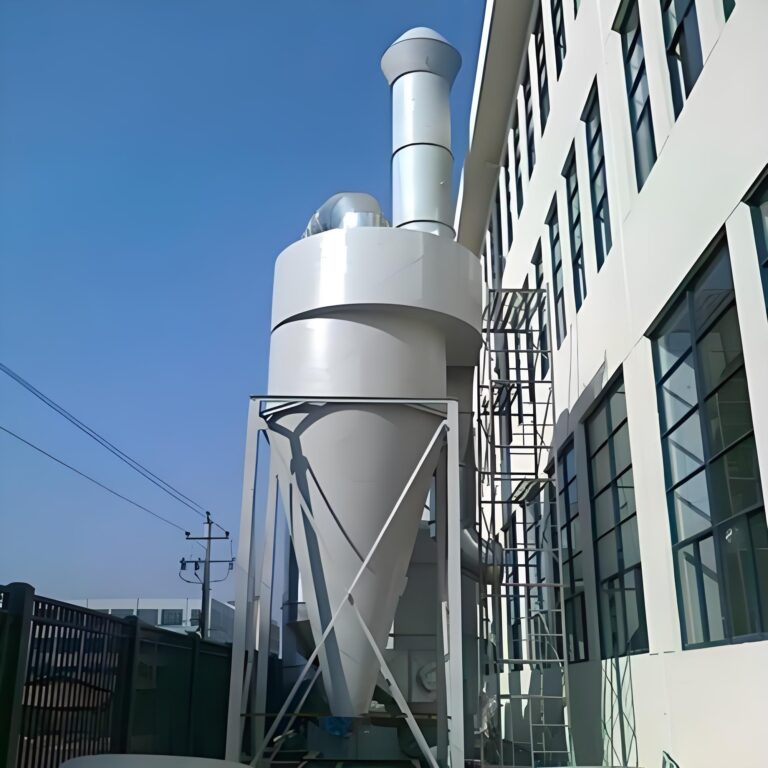
Industrielle Zyklonstaubabscheider arbeiten mit Trägheitsabscheidung, nicht mit Filtration. Staubbeladene Luft tritt tangential in eine zylindrische Kammer ein, wodurch ein Hochgeschwindigkeits-Wirbel entsteht. Durch die Zentrifugalkraft werden die dichteren Partikel gegen die Wand geschleudert, wo sie den konischen Teil hinunter in einen Trichter rutschen. Die gereinigte Luft kehrt in einen inneren Wirbel zurück und tritt durch einen zentralen Auslass aus. Die Leistung wird von den Partikeleigenschaften, der Geometrie und der Einlassgeschwindigkeit bestimmt. Der Wirkungsgrad nimmt naturgemäß mit gröberen Partikeln und höherer Dichte zu, so dass sie für Feinstaub als eigenständige Einheit unwirksam sind.
Der kritische Kompromiss beim Design
Die Konstruktion ist mit einem grundlegenden Kompromiss bei der Leistung verbunden. Ein kleinerer Auslassdurchmesser steigert die Effizienz, erhöht aber direkt den Druckabfall im System und damit die langfristigen Energiekosten. Umgekehrt verringert ein größerer Auslass den Druckabfall, geht aber zu Lasten der Partikelabscheidung. Dies ist keine akademische Frage, sondern der Kernpunkt bei der Abwägung von Investitionskosten und Betriebskosten. Ingenieure müssen die Zyklongeometrie für die angestrebte Partikelgrößenverteilung optimieren, da sie wissen, dass die Erzielung eines ultrafeinen Wirkungsgrads mit einem Zyklon allein mechanisch und wirtschaftlich nicht praktikabel ist.
Interpretation von Leistungsdaten
Es ist wichtig, die veröffentlichten Leistungskurven zu verstehen. Sie stellen den Fraktionswirkungsgrad in Abhängigkeit von der Partikelgröße dar und zeigen in der Regel einen steilen Abfall für Partikel unter 10-20 Mikrometer. Diese Kurve ist für jede Zyklonkonstruktion und Staubart einzigartig.
In der folgenden Tabelle sind die wichtigsten Faktoren, die die Leistung von Zyklonen beeinflussen, und die damit verbundenen Kompromisse aufgeführt:
| Leistungsfaktor | Typische Reichweite / Wirkung | Design-Abwägung |
|---|---|---|
| Effizienz der Partikelgröße | Steigt mit gröberem Staub | Unwirksam bei Feinstaub |
| Partikeldichte | Höhere Dichte steigert die Effizienz | Geringere Dichte reduziert die Erfassung |
| Auslass-Durchmesser | Geringere Größe erhöht die Effizienz | Erhöht den Druckabfall im System |
| Einlassgeschwindigkeit | Kritisch für die Wirbelbildung | Optimiert für die Zielpartikelgröße |
Quelle: Technische Dokumentation und Industriespezifikationen.
Bei unserer Analyse von Systemnachrüstungen ist der häufigste Leistungsmangel darauf zurückzuführen, dass ein Allzweckzyklon auf einen Staubstrom angewendet wird, der feiner ist als seine Auslegungskurve, ein Fehler, der erst nach der Installation und den Tests auffällt.
Schlüsselanwendungen und Rollen in Fertigungssystemen
Primäre Funktionen: Sammlung, Entgegennahme und Schutz
In der Produktion erfüllen Zyklone drei Hauptfunktionen. Sie dienen als eigenständige Abscheider für grobe Stäube (>10-20 Mikrometer), wie Holzspäne oder Kunststoffgranulat. Sie dienen als Produktabscheider in pneumatischen Fördersystemen. Am wichtigsten ist jedoch ihre Funktion als Vorabscheider. Diese Vorabscheiderfunktion ist die wichtigste und wertvollste Anwendung für moderne Anlagen.
Der strategische Vorteil von Pre-Cleaner
Ein Zyklon, der einem Gewebe- oder Patronenfilter vorgeschaltet ist, entfernt 80-99% der Grobstaubbelastung. Durch diese strategische Integration wird der Zyklon von einem einfachen Abscheider zu einem Systemschützer. Er schützt die nachgeschalteten Ventilatorlaufräder vor abrasivem Verschleiß und verlängert die Lebensdauer des Endfilters erheblich, indem er dessen Belastung verringert. Das Ergebnis ist ein längerer Wartungszyklus für das komplexere und teurere Filtersystem, wodurch die Gesamtbetriebskosten optimiert werden. Dieser hybride Ansatz nutzt die Robustheit des Zyklons für die Entfernung von Schüttgut und die Präzision des Filters für die Endreinigung.
System-Integrationspunkte
Eine wirksame Integration erfordert die richtige Platzierung. Der Zyklon sollte dort platziert werden, wo die Staubkonzentration am höchsten ist, häufig unmittelbar nach dem Emissionspunkt des Prozesses. Das gesammelte Material muss über ein luftdichtes Ablassventil abgeführt werden, um die Systemabsaugung aufrechtzuerhalten und ein erneutes Mitreißen zu verhindern. Wenn der Zyklon als Vorabscheider konzipiert ist, müssen die Rohrleitungen zwischen dem Zyklonauslass und dem Einlass des Endfilters so ausgelegt sein, dass sich ein Teil der Partikel absetzen kann und eine gleichmäßige Verteilung des Luftstroms in den Sekundärfilter gewährleistet ist.
Kriterien für die Zyklonauswahl: Anpassung der Konstruktion an Ihren Prozess
Grundlegende Prozessdaten
Die richtige Auswahl erfordert eine detaillierte Prozessanalyse, die über eine einfache Anpassung des Luftstroms hinausgeht. Zu den wesentlichen Daten gehören die volumetrische Luftstromrate (CFM), die Staubeigenschaften (Größenverteilung, Dichte, Feuchtigkeitsgehalt, Abrasivität und Konzentration) und die Prozessbedingungen wie Temperatur und potenzielle Explosionsfähigkeit. Unvollständige Daten sind die Hauptursache für unzureichende Leistung. Eine Partikelgrößenanalyse ist für ernsthafte Anwendungen nicht verhandelbar.
Von der allgemeinen Anwendung bis zur kundenspezifischen Entwicklung
Zyklone werden in die Kategorien General Purpose (GP) für Standardanwendungen und High Efficiency (HE) mit längeren Konen für feinere Stäube eingeteilt. Ein Blick in die Industrie zeigt, dass kundenspezifische Anpassungen eher die Regel als die Ausnahme sind. Die meisten industriellen Anwendungen erfordern maßgeschneiderte Lösungen für Konstruktionsmaterialien (z. B. Edelstahl für Korrosion, Verschleißplatten für Abrieb), Integrationsgeometrie oder spezielle Anforderungen an die Abfallbehandlung.
Der Auswahlprozess muss datengestützt sein. In der folgenden Tabelle sind die entscheidenden Kriterien und die zu ihrer Bewertung erforderlichen Informationen aufgeführt:
| Auswahlkriterium | Erforderliche Schlüsseldaten | Gemeinsame Kategorie |
|---|---|---|
| Luftstrom Volumen | CFM (Kubikfuß pro Minute) | Allgemeiner Zweck (GP) |
| Staubgrößenverteilung | Mikrometer (µm) Bereich | Hoher Wirkungsgrad (HE) |
| Staub-Konzentration | Körner pro Kubikfuß | Individuelles Design |
| Prozess-Temperatur | Grad Fahrenheit/Celsius | Material der Konstruktion |
Quelle: Technische Dokumentation und Industriespezifikationen.
Die Bewertung der Leistungsfähigkeit des Anbieters
Geben Sie Anbietern mit eigener CFD-Simulationssoftware (Computational Fluid Dynamics) den Vorzug. Diese prädiktive Modellierungsfunktion reduziert das Rätselraten über die Leistung, indem sie die Luftströmung und die Partikelflugbahnen innerhalb eines vorgeschlagenen Designs visualisiert. Sie ermöglicht die virtuelle Optimierung der Zyklongeometrie für Ihr spezifisches Partikelprofil, bevor die Fertigung beginnt. Diese technische Tiefe wird immer mehr zu einer wettbewerbsrelevanten Notwendigkeit und unterscheidet Komponentenanbieter von echten Lösungsanbietern.
Optimierung der Zyklonleistung und Systemintegration
Konfiguration für Zuverlässigkeit
Die optimale Leistung hängt von der richtigen Systemintegration ab. Eine Durchzugskonfiguration, bei der sich der Ventilator auf der Reinluftseite des Zyklons befindet, ist für abrasive Anwendungen zwingend erforderlich, um das Ventilatorrad vor Verschleiß zu schützen. Der Staubauslass muss mit einer luftdichten Zellenradschleuse oder einem Doppelentleerungsventil ausgestattet sein, um Luftleckagen zu vermeiden, die den internen Wirbel unterbrechen und die Effizienz beeinträchtigen. Die Einlasskanäle sollten gerade und richtig dimensioniert sein, um einen stabilen, nicht turbulenten Fluss in den Zyklon zu gewährleisten.
Technik für Langlebigkeit
Die Langlebigkeit wird durch die Konstruktion - insbesondere durch vollständig verschweißte Nähte und industrielle Oberflächen - und nicht nur durch die Materialstärke erreicht. Bei stark abrasiven Stäuben sind interne Verschleißauskleidungen oder austauschbare Keramikfliesen an den Aufprallstellen entscheidend für die Langlebigkeit. Zu den leicht zu übersehenden Details gehört der Neigungswinkel des Trichters; ein unzureichender Winkel führt zu Materialbrücken und Verstopfung, wodurch der gesamte Sammelprozess zunichte gemacht wird. Wir legen steilere Winkel als für problematische Materialien üblich fest.
Das Gebot der Automatisierung
Zyklone entwickeln sich von passiven Sammlern zu automatisierten Systemknoten. Die Integration von Füllstandsanzeigen, Drucksensoren und automatischen Entleerungsventilen ermöglicht eine schlankere, zeitnahe Materialhandhabung und liefert Betriebsdaten. Diese Interoperabilität mit SPS- oder SCADA-Systemen ermöglicht vorausschauende Wartungswarnungen und ist eine wichtige Überlegung für die Zukunftssicherheit in der Entwurfsphase. Ein moderner Zyklon sollte eine Datenquelle sein, keine Blackbox.
Grenzen des Zyklons und ergänzende Filtrationstechnologien
Inhärente Grenzen der Effizienz
Die Anerkennung der Grenzen von Zyklonen ist für die Systemintegrität von entscheidender Bedeutung. Ihre Abscheideeffizienzkurve fällt bei Partikeln unter 10-20 Mikrometer stark ab, was sie als Einzellösung für die Einhaltung strenger Emissionsnormen, wie sie in den folgenden Abschnitten beschrieben werden, ungeeignet macht ISO 16890-1:2016 für Luftfiltertests. Sie haben auch mit klebrigen, hygroskopischen oder faserigen Materialien zu kämpfen, die zu internen Ablagerungen und Verstopfungen führen, die den Wirbel vollständig zum Erliegen bringen können.
Die Strategie des Hybridsystems
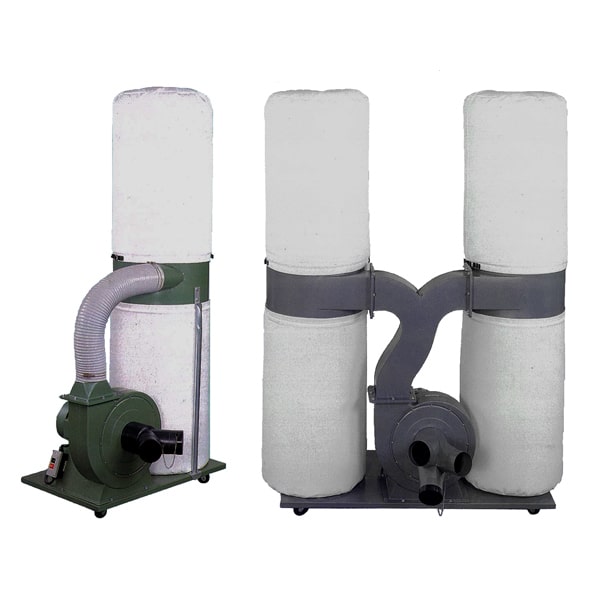
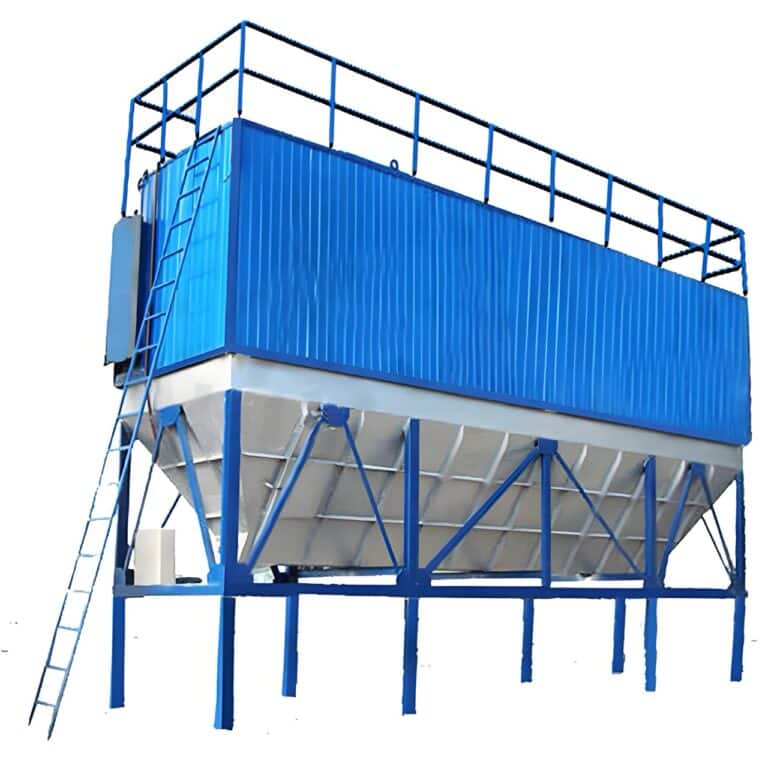
Die klassische und effektivste industrielle Strategie ist daher ein mehrstufiger Ansatz. Ein Zyklon dient als robuster Vorreiniger, der mit einem nachgeschalteten Gewebefilter (Baghouse) oder Patronensammler kombiniert wird. Diese Hybridkonstruktion nutzt die Stärken der einzelnen Technologien: Der Zyklon bewältigt die Schüttgutmasse und die groben Partikel, so dass der Endfilter mit höherer Effizienz, längerer Lebensdauer und geringerer Wartungshäufigkeit für die Feinstaubabscheidung arbeiten kann.
Auswahl der letzten Polierstufe
Die Wahl zwischen einem Schlauchfilter und einem Patronenfilter nach dem Zyklon hängt von den Staubeigenschaften, der Temperatur und dem erforderlichen Platzbedarf ab. Patronenfilter bieten einen hohen Wirkungsgrad bei geringerem Platzbedarf, haben aber möglicherweise niedrigere Temperaturgrenzen. Schlauchfilter sind robust für Hochtemperaturanwendungen und bestimmte Staubarten. Die Leistung dieser letzten Stufe wird häufig anhand des ANSI/ASHRAE 52.2-2017 MERV-System, das dazu beiträgt, die erforderliche Effizienz für den Zielpartikelgrößenbereich, der den Zyklon verlässt, zu bestimmen.
Bewährte Praktiken für Wartung, Sicherheit und Compliance
Proaktive Pflegemaßnahmen
Da es keine beweglichen Teile gibt, ist der Wartungsaufwand zwar minimal, aber nicht gleich Null. Regelmäßige Inneninspektionen auf Verschleiß im Kegelbereich oder im Einlassbereich sind unerlässlich, insbesondere bei abrasiven Stäuben. Die Überprüfung und Reinigung des Staubaustragsventils, um sicherzustellen, dass es sich frei dreht und dicht abschließt, ist von entscheidender Bedeutung. Wird dies vernachlässigt, kann dies zu einem vollständigen Verlust der Abscheideleistung führen. Eine einfache planmäßige Inspektion verhindert kostspielige außerplanmäßige Ausfallzeiten.
Unverzichtbare Sicherheitsprotokolle
Bei brennbaren Stäuben steht die Sicherheit an erster Stelle. Alle elektrischen Komponenten (Motoren, Sensoren, Magnetventile), die mit dem Staubabscheider verbunden sind, müssen die für den klassifizierten Bereich erforderlichen Explosionsschutzklassen aufweisen. Alle Metallteile müssen geerdet werden, um statische Elektrizität abzuleiten, die eine primäre Zündquelle darstellt. Dies sind keine Empfehlungen, sondern Anforderungen gemäß Normen wie NFPA 654: Standard zur Verhütung von Bränden und Staubexplosionen.
Die Haftungsverschiebung bei der Einhaltung von Vorschriften
Eine wichtige strategische Erkenntnis ist, dass die Haftung für die Einhaltung von Vorschriften ausdrücklich auf den Käufer verlagert wird. Die Hersteller bieten “konformitätsfertige” Systeme an, die den allgemeinen Vorschriften entsprechen, lehnen jedoch die endgültige Verantwortung für die Einhaltung spezifischer NFPA-, ATEX- oder lokaler Behördenanforderungen ab. Das bedeutet, dass die Einrichtungen in internes Fachwissen oder externe Berater investieren müssen, um das Systemdesign und die Installation zu validieren, wobei sie die volle Haftung für jegliche Versäumnisse bei der Gefahrenanalyse übernehmen. Die Dokumentation dieser Sorgfaltspflicht ist genauso wichtig wie die Ausrüstung selbst.
In der nachstehenden Tabelle sind die wichtigsten Bereiche für Sicherheit und Einhaltung der Vorschriften zusammengefasst:
| Schwerpunktbereich | Schlüsselanforderung | Strategische Implikation |
|---|---|---|
| Elektrische Komponenten | Explosionsgeschützte Bereiche | Vorgeschrieben für brennbare Stäube |
| Kontrolle statischer Elektrizität | Erdung von Bauteilen | Verhindert Zündquellen |
| Einhaltung von Vorschriften | NFPA, ATEX, usw. | Der Käufer übernimmt die endgültige Haftung |
| System-Validierung | Überprüfung durch einen externen Berater | Minderung des Compliance-Risikos |
Quelle: NFPA 654: Standard zur Verhütung von Bränden und Staubexplosionen. Diese Norm enthält grundlegende Anforderungen an die Staubkontrolle, die Verhinderung von Zündquellen und die Konstruktion der Geräte, deren Einhaltung für den sicheren Betrieb von Zyklonabscheidern für brennbare Feststoffpartikel unverzichtbar ist.
Zyklon vs. Baghouse: Wann man welche Technologie einsetzt
Anwendungsdefinierte Auswahl
Die Wahl hängt von der Anwendung ab und ist keine Frage der technischen Überlegenheit. Verwenden Sie einen Zyklon für die eigenständige Abscheidung von sehr groben, trockenen und nicht klebrigen Stäuben oder, was am strategischsten ist, als Vorreiniger. Verwenden Sie ein Schlauchfilter (oder einen Patronenfilter) als primären Abscheider für Feinstaub (<10 Mikrometer), wenn strenge Emissionsnormen gelten oder wenn es um brennbare Stäube geht, die geschlossene Filtermedien erfordern.
Die Synergie eines kombinierten Systems
Die Entscheidung fällt oft auf ein kombiniertes System. Der Zyklon schützt das Filtergehäuse, verlängert die Lebensdauer des Filters von Monaten auf Jahre und reduziert die Wartungsintervalle und den Druckluftverbrauch für die Reinigung. Diese Synergie schafft die kosteneffizienteste Lösung: Der Zyklon bewältigt die schwere, abrasive Last bei niedrigen Betriebskosten, und das Filtergehäuse sorgt für die letzte, hocheffiziente Reinigungsstufe, um die Umwelt- und Innenraumluftqualitätsstandards zu erfüllen.
Um die Grenzen der Anwendung zu veranschaulichen, betrachten Sie diesen vergleichenden Rahmen:
| Technologie | Primäre Anwendung | Eignung der Partikelgröße |
|---|---|---|
| Wirbelsturm | Eigenständig für groben Staub | >10-20 Mikrometer |
| Wirbelsturm | Rolle des Vorreinigers | Entfernung der Schüttgutmasse |
| Baghouse | Primärer Feinstaubabscheider | <10 Mikrometer |
| Kombiniertes System | Hocheffizientes Endpolieren | Volles Partikelspektrum |
Quelle: ANSI/ASHRAE 52.2-2017. Diese Norm liefert das MERV-Bewertungssystem für die Bewertung der Filterleistung über alle Partikelgrößen hinweg, was für die Festlegung der letzten Stufe des Schlauchfilters oder des Patronenfilters in einem kombinierten System zur Erfüllung der Luftqualitätsziele von entscheidender Bedeutung ist.
Kosten-Nutzen-Verhältnis über den gesamten Lebenszyklus
Bewerten Sie die Gesamtbetriebskosten. Ein eigenständiges Filterhaus für eine großvolumige Grobstaubanwendung verursacht exorbitante Filteraustausch- und Wartungskosten. Ein alleinstehender Zyklon für eine Feinstaubanwendung wird die Vorschriften nicht einhalten und Probleme bei der Haushaltsführung verursachen. Das kombinierte System ist zwar anfangs teurer, bietet aber in der Regel die niedrigsten Betriebskosten und die höchste Zuverlässigkeit über einen Zeitraum von 10 Jahren, was es zur ersten Wahl für ernsthafte industrielle Anwendungen macht.
Entwicklung einer zukunftssicheren Entstaubungsstrategie
Beginnen Sie mit der Granulatpartikelanalyse
Die Entwicklung einer belastbaren Strategie erfordert einen Blick über den unmittelbaren Bedarf hinaus. Beginnen Sie mit einer detaillierten Partikelanalyse - nicht nur der Durchschnittsgröße, sondern der gesamten Verteilung, Form und Dichte. Diese Daten bilden die Grundlage für jede nachfolgende Entscheidung über die Auswahl der Technologie, die Dimensionierung des Systems und die Materialhandhabung. Sie sind die wertvollste Einzelinvestition in der Planungsphase.
Definieren Sie Ihren Beschaffungsweg
Berücksichtigen Sie die Marktsegmentierung: Entscheiden Sie, ob Ihre Einrichtung einen Selbstbau-/Modulkomponenten-Ansatz oder ein vollständig entwickeltes, herstellerunterstütztes System benötigt. Ersteres bietet niedrigere Anfangskosten, bürdet aber das gesamte technische und Integrationsrisiko Ihrem Team auf. Bei der zweiten Variante wird häufig ein Spezialist wie PORVOO für industrielle Luftreinhaltungssysteme, bietet eine zentrale Stelle für die Rechenschaftspflicht und Leistungsgarantie, die die langfristigen Betriebskosten und die Verantwortung festlegt.
Ingenieur für Daten und Langlebigkeit
Bevorzugen Sie Anbieter mit robusten Konstruktions- und Simulationsfähigkeiten und einer Konstruktionsqualität, die Langlebigkeit gewährleistet. Planen Sie von Anfang an eine Automatisierung und Sensorintegration ein, um einen datengesteuerten Betrieb und eine vorausschauende Wartung zu ermöglichen. Für Einrichtungen in regulierten Branchen oder solche, die Wert auf Sicherheit in der Lieferkette legen, kann das Prädikat “Made in USA” ein strategisches Unterscheidungsmerkmal für die wahrgenommene Zuverlässigkeit und die Einhaltung von Vorschriften sein und möglicherweise einen Aufpreis für ein geringeres regulatorisches und logistisches Risiko rechtfertigen.
Die wichtigsten Entscheidungspunkte sind klar. Erstens: Akzeptieren Sie, dass eine einzige Technologie selten optimal ist; planen Sie einen stufenweisen Ansatz. Zweitens: Investieren Sie in präzise Partikeldaten - sie bestimmen das Design. Drittens: Wählen Sie einen Partner auf der Grundlage der technischen Tiefe und des Lebenszyklus-Supports, nicht nur des Gerätepreises. Dieser Rahmen verlagert die Diskussion von der Komponentenbeschaffung auf die Systemleistung.
Benötigen Sie professionelle Beratung bei der Entwicklung eines Zyklon- oder Hybrid-Entstaubungssystems, das auf die spezifischen Herausforderungen Ihrer Anlage zugeschnitten ist? Die Ingenieure von PORVOO sind darauf spezialisiert, komplexe Prozessanforderungen in zuverlässige, konforme Lösungen zur Luftreinhaltung umzusetzen. Für eine ausführliche Beratung zu Ihrer Anwendung können Sie auch Kontakt direkt.
Häufig gestellte Fragen
F: Wie lässt sich feststellen, ob ein Zyklonstaubabscheider als Einzellösung für unseren Prozess geeignet ist?
A: Ein Zyklon ist als eigenständiger Abscheider nur dann sinnvoll, wenn es um sehr grobe, trockene Stäube mit einer Größe von mehr als 10-20 Mikrometern geht und wenn die Emissionsnormen nicht sehr streng sind. Aufgrund ihrer Bauweise sind sie für die Abscheidung von Feinstaub untauglich. Wenn Ihr Prozess erhebliche Mengen an Staub mit einer Größe von weniger als 10 Mikrometern erzeugt oder strenge Anforderungen an die Luftreinheit erfüllen muss, sollten Sie ein mehrstufiges System mit einem Zyklon als Vorreiniger und einem abschließenden Gewebefilter planen.
F: Was sind die wichtigsten konstruktiven Kompromisse bei der Festlegung eines hocheffizienten Zyklons?
A: Bei der Auswahl eines hocheffizienten Zyklons besteht ein direkter Kompromiss zwischen Partikelabscheidung und Energieverbrauch. Konstruktionen mit längeren Konen oder kleineren Auslassdurchmessern erhöhen die Zentrifugalkraft und die Effizienz, erzeugen aber auch einen höheren Systemdruckabfall. Dieser erhöhte statische Druck zwingt den Systemlüfter, härter zu arbeiten, was langfristig zu erheblich höheren Stromkosten führt. Bei Projekten, bei denen die Energieeffizienz eine wichtige betriebliche Einschränkung darstellt, müssen Sie dieses Leistungs-Energie-Gleichgewicht mithilfe von Simulationstools des Herstellers modellieren.
F: Wer ist letztendlich dafür verantwortlich, dass ein Staubsammelsystem die NFPA-Normen für brennbaren Staub erfüllt?
A: Die Hersteller bieten zwar Komponenten an, die für den Einsatz in explosionsgefährdeten Bereichen geeignet sind, die endgültige Verantwortung für die Einhaltung der Vorschriften liegt jedoch ausdrücklich beim Eigentümer der Einrichtung. Die Hersteller bieten “einsatzbereite” Systeme an, lehnen aber die Verantwortung für die Einhaltung bestimmter lokaler oder nationaler Vorschriften ab, wie z. B. NFPA 654. Dies bedeutet, dass Anlagen, die mit brennbaren Stäuben umgehen, in internes Fachwissen oder externe Berater investieren müssen, um die gesamte Systemauslegung zu validieren, und das gesamte Risiko für etwaige Versäumnisse bei der Sicherheitsanalyse übernehmen müssen.
F: Wie sollten wir einen Zyklon integrieren, um die Lebensdauer eines nachgeschalteten Schlauchfilters zu maximieren?
A: Integrieren Sie den Zyklon als Vorreiniger in einer Durchzugskonfiguration, wobei der Systemventilator auf der Reinluftseite nach dem Endfilter positioniert ist. Auf diese Weise kann der Zyklon 80-99% der groben, abrasiven Staubmasse entfernen, bevor sie das Filtergehäuse erreicht. Durch den Schutz der Gewebefilter vor dieser Massenbelastung wird ihre Lebensdauer erheblich verlängert und die Wartungshäufigkeit verringert. Bei Betrieben mit hohen Staubkonzentrationen ist dieser Hybridansatz entscheidend für die Kontrolle der langfristigen Filteraustauschkosten.
F: Welche Konstruktionsmerkmale sind für die Haltbarkeit von Zyklonen bei abrasiven Anwendungen entscheidend?
A: Die Widerstandsfähigkeit gegen Abrieb wird durch spezielle Konstruktionsmethoden erreicht, nicht nur durch die Materialstärke. Zu den wesentlichen Merkmalen gehören vollständig nahtgeschweißte Verbindungen zur Vermeidung von Leckagen, industrietaugliche Schutzbeschichtungen und der Einbau von austauschbaren Innenauskleidungen an kritischen Aufprallstellen. Wenn Ihr Prozess mit stark abrasiven Partikeln wie Sand oder Metallfeinteilen verbunden ist, sollten Sie diesen Konstruktionsdetails in Ihrer Spezifikation Vorrang vor Standardgeräten von der Stange einräumen.
F: Welche Leistungsstandards sind für die Bewertung der letzten Filterstufe in einem mehrstufigen Entstaubungssystem relevant?
A: Die Effizienz des endgültigen Filters bei der Abscheidung von Feinstaub sollte anhand etablierter Bewertungssysteme für die Partikelabscheidung bewertet werden. Die ANSI/ASHRAE 52.2 Testmethode liefert Mindesteffizienzwerte (MERV), während die internationale ISO 16890 Die Norm bewertet Filter auf der Grundlage ihrer Effizienz gegenüber den Partikelgrößen PM1, PM2.5 und PM10. Das bedeutet, dass Sie den Wirkungsgrad des endgültigen Filters auf der Grundlage der spezifischen Größenverteilung des Staubs, der aus dem vorgeschalteten Vorreiniger austritt, auswählen müssen.
F: Welche Fähigkeiten von Anbietern werden für die Optimierung der Auswahl und Konstruktion von Zyklonen immer wichtiger?
A: Bevorzugen Sie Anbieter mit hauseigener CFD- (Computational Fluid Dynamics) oder anderer Simulationssoftware. Diese Fähigkeit zur vorausschauenden Modellierung ermöglicht es ihnen, die Geometrie des Zyklons und die Einlassgeschwindigkeit im Hinblick auf Ihre spezifische Staubpartikelgrößenverteilung und -dichte zu optimieren und so das Rätselraten über die Leistung zu reduzieren. Für Anlagen mit einzigartigen oder schwierigen Partikelprofilen ist diese technische Unterstützung eine wettbewerbsrelevante Notwendigkeit, um sicherzustellen, dass die Konstruktion sowohl die Abscheideleistung als auch die Druckverlustziele erfüllt.