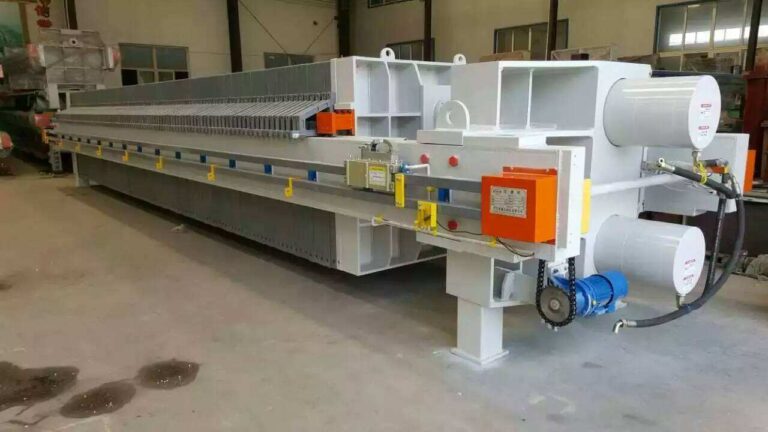
Für Industriebetriebe, die mit Schlamm, Gülle oder Prozessabfällen umgehen, ist die gleichmäßige Entwässerung großer Mengen eine ständige Herausforderung. Manuelle Filterpressen führen zu Arbeitskräfteengpässen und Prozessschwankungen, während schlecht spezifizierte automatisierte Systeme hohe Betriebskosten verursachen oder die Entlastungsstandards nicht erfüllen können. Die Entscheidung, in eine vollautomatische Filterpresse zu investieren, ist von großer Bedeutung und geht über den einfachen Austausch von Anlagen hinaus und führt zu einer strategischen Prozessoptimierung.
Die Entwicklung von Automatisierung, Sensortechnologie und Materialwissenschaft hat diese Systeme in intelligente, integrierte Entwässerungslösungen verwandelt. Die Auswahl des richtigen Systems erfordert nun ein differenziertes Verständnis der technischen Spezifikationen, der betrieblichen Ökosysteme und der langfristigen Kostenfaktoren. Dieser Leitfaden bietet den notwendigen Entscheidungsrahmen, um vollautomatische Filterpressen als eine Investition zu bewerten, die sich auf Produktivität, Sicherheit und Gesamtbetriebskosten auswirkt.
Wie eine vollautomatische Filterpresse funktioniert: Grundprinzipien
Der automatisierte Filtrationskreislauf
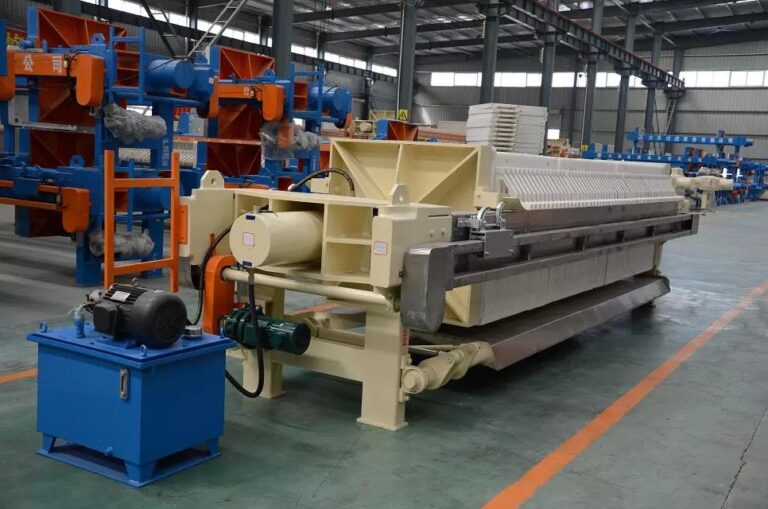
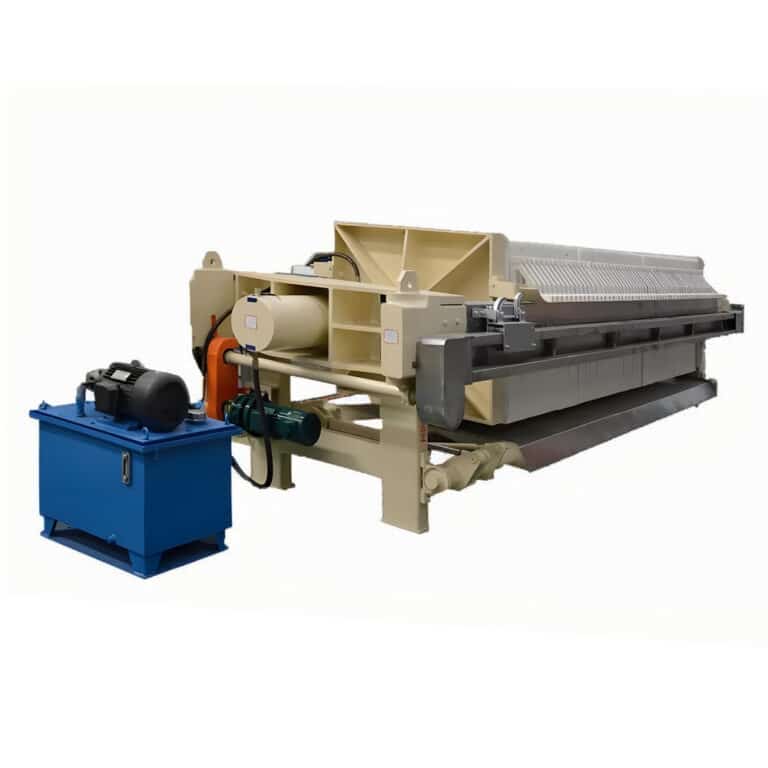
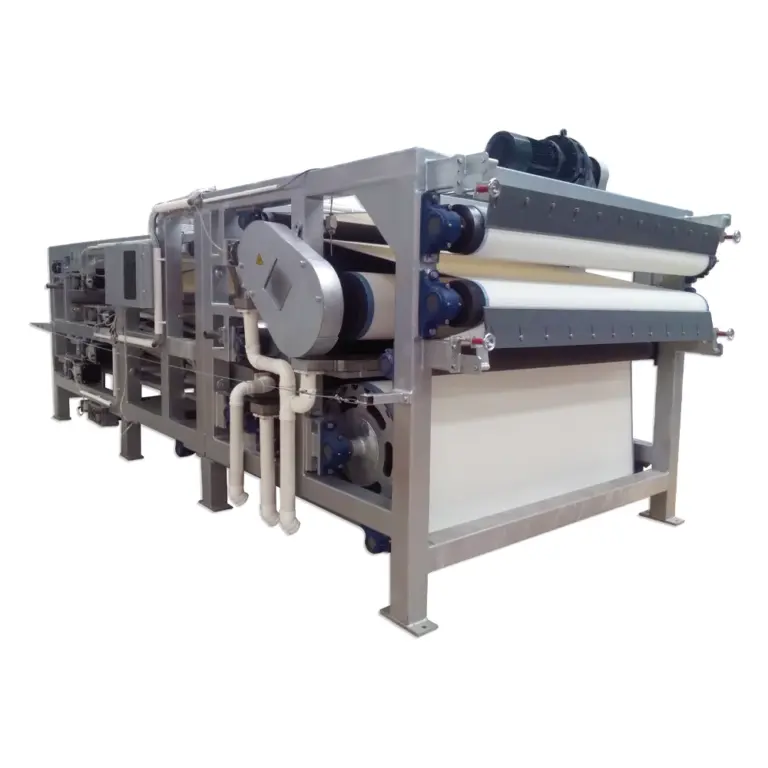
Eine vollautomatische Filterpresse führt einen geschlossenen Zyklus aus, der von einer speicherprogrammierbaren Steuerung (SPS) gesteuert wird. Der Zyklus beginnt mit dem Spannen des Plattenpakets durch einen Hydraulikzylinder. Eine Hochdruckschlammpumpe füllt dann die Kammern; die Feststoffe sammeln sich auf den Filtertüchern, während das Filtrat durch Öffnungen austritt. Für Anwendungen, die einen extrem trockenen Kuchen erfordern, werden die Membranplatten mit Druckluft aufgeblasen, wodurch ein sekundärer Pressdruck entsteht. Optionale Stufen wie Kuchenwaschen oder Luftabblasen können integriert werden. Schließlich fährt der Zylinder zurück, ein automatischer Plattenschieber bewegt die Platten nacheinander, und ein Austragsmechanismus entfernt den festen Kuchen. Dieser gesamte Prozess läuft ohne Bedienereingriff ab.
Die Intelligenz hinter der Automatisierung
Der wahre Wert der Automatisierung liegt nicht in der mechanischen Abfolge, sondern in der Intelligenz des Steuerungssystems. Moderne SPS können in mehreren Optimierungsmodi arbeiten. Ein durchsatzoptimierter Modus minimiert die Zykluszeit für ein maximales Volumen. Ein feuchtigkeitsoptimierter Modus verlängert die Auspressphase, um Gewicht und Kosten der Entsorgung zu reduzieren. Ein energieoptimierter Modus gleicht den Einsatz von Pumpen und Kompressoren mit der Zykluszeit ab. Untersuchungen von Unternehmen der Verfahrenstechnik haben ergeben, dass Anlagen, die ihre SPS so konfigurieren, dass sie die größten variablen Kosten - Energie, Entsorgungsgebühren oder Arbeitskosten - decken, eine schnellere Investitionsrendite erzielen. Das System wird zu einem dynamischen Vermögenswert, nicht nur zu einem statischen Gerät.
Strategische Implikationen des Kerndesigns
Das Kernprinzip der automatisierten, programmierbaren Entwässerung schafft strategische Flexibilität. Ein einziges Gerät kann durch Umschalten der Rezeptur unterschiedliche Einsatzstoffe verarbeiten. Es liefert überprüfbare Prozessdaten für die Berichterstattung über die Einhaltung von Vorschriften. Darüber hinaus verringert sich die Abhängigkeit von qualifizierten Bedienern für Routineaufgaben, so dass Personalressourcen für die Überwachung und Wartung eingesetzt werden können. In unserer Analyse von Anlagen-Upgrades zeigte sich, dass die Umstellung von manuellem auf vollautomatischen Betrieb die Variabilität der Zykluszeiten durchweg um über 60% reduzierte, was die nachgelagerte Prozessplanung direkt verbesserte.
Wichtige technische Spezifikationen für die Dimensionierung Ihrer Filterpresse
Festlegen von Kapazitätsparametern
Die Dimensionierung einer Filterpresse erfordert eine Analyse der voneinander abhängigen Parameter, die ihre Kapazität bestimmen. Die Plattengröße (z. B. 800 mm, 1500 mm, 2000 mm) bestimmt die physische Grundfläche und die Kuchengröße pro Platte. Die Gesamtfiltrationsfläche, die sich aus der Anzahl der Platten und der Stirnfläche errechnet, begrenzt direkt den Durchsatz (kg/Std. oder m³/Std.). Das Kammervolumen bestimmt die Gesamtkapazität an Feststoffen pro Zyklus. Der Betriebsdruck ist von entscheidender Bedeutung: Die Befüllung erfolgt in der Regel bei 7-10 bar, während die Membranen bei der Endentwässerung mit 15-25 bar gepresst werden können. Ein häufiger Fehler ist die Festlegung der Filtrationsfläche allein auf der Grundlage theoretischer Berechnungen, wobei reale Faktoren wie die Partikelgrößenverteilung und die Viskosität des Schlamms außer Acht gelassen werden.
Materialauswahl für Kompatibilität
Das Konstruktionsmaterial ist eine nicht verhandelbare Spezifikation, die für Langlebigkeit und Produktintegrität sorgt. Lackierter Kohlenstoffstahl reicht für abrasive Schlämme im Bergbau aus. In der chemischen Verarbeitung werden häufig polypropylenbeschichtete Platten oder Edelstahl 304 für Korrosionsbeständigkeit benötigt. Für Lebensmittel, pharmazeutische oder hochreine chemische Anwendungen ist Edelstahl 316L mit polierten Oberflächen und FDA-konformen Dichtungen zwingend erforderlich. Branchenexperten empfehlen, bei der Auswahl des Materials nicht nur auf den Schlamm zu achten, sondern auch auf die Spülchemikalien und die Umgebungsbedingungen, die Außenkorrosion verursachen können.
Die Gesamtbetriebskostenperspektive
Eine Auswahl auf der Grundlage des Stückpreises und der Hauptmerkmale ist nicht ausreichend. Die strategische Bewertung muss die Gesamtbetriebskosten modellieren. Dazu gehören der Energieverbrauch von Pumpen und Kompressoren, die erwartete Lebensdauer der Stoffe und die Kosten für den Austausch, die durch die Automatisierung eingesparten Arbeitsstunden und die potenziellen Einnahmen aus dem Trockenkuchen (z. B. als Brennstoff). Eine wichtige Erkenntnis aus den technischen Bewertungen ist, dass die Membranplattentechnologie die erforderliche Filtrationsfläche für komprimierbare Schlämme um bis zu 90% reduzieren kann, was eine kleinere, kostengünstigere Presse ermöglicht, um die gleiche Trockenstoffleistung zu erzielen. Dies verändert die Wirtschaftlichkeit der Anlagenplanung radikal.
Wichtige technische Spezifikationen für die Dimensionierung Ihrer Filterpresse
| Parameter | Typischer Bereich / Spezifikation | Wichtigste Auswirkung |
|---|---|---|
| Tellergröße | 470mm bis 2500mm | Diktiert den physischen Fußabdruck |
| Filtrationsbereich | Gemessen in m² | Unmittelbarer Einfluss auf den Durchsatz |
| Betriebsdruck | 7-10 bar (Füllen), 15-25 bar (Quetschen) | Bestimmt den endgültigen Trockenheitsgrad des Kuchens |
| Baumaterial | Lackierter Stahl bis SS 316L | Chemische Verträglichkeit und Hygiene |
| Membrane Squeeze Benefit | Bis zu 90% Flächenreduktion | Ermöglicht kompaktes Systemdesign |
Quelle: JB/T 4333.1-2019 Platten- und Rahmenfilterpresse Teil 1: Typen und grundlegende Parameter. Diese Norm legt die grundlegenden Parameter für Filterpressen fest, einschließlich der Klassifizierungen und grundlegenden Spezifikationen, die Entscheidungen über die Dimensionierung wie Plattengröße und Filtrationsfläche zugrunde liegen.
Automatische Entleerungssysteme im Vergleich: Welches ist das Beste?
Entladungsmechanismen und ihre Nische
Das Entleerungssystem muss auf die physikalischen Eigenschaften des Kuchens abgestimmt sein. Plattenrüttel- oder Vibrationssysteme eignen sich gut für dichte, kristalline oder nicht klebrige Kuchen, die sich sauber lösen. Bei schwereren, kompakteren Schlämmen, wie sie im Bergbau vorkommen, entfernt ein mechanischer Abstreifer (manchmal in Form eines “chinesischen Hutes”) den Kuchen zuverlässig. Bei klebrigen, adhäsiven Materialien, wie sie in der Abwasser- oder Lebensmittelverarbeitung vorkommen, kann ein Hin- und Herschaber erforderlich sein, der den Kuchen vom Tuch ablöst, was allerdings den Verschleiß des Tuchs erhöhen kann. Bei leicht ablösbaren, frei fallenden Kuchen bietet ein einfacher Schwerkraftabzug mit Auffangwannen die geringsten Kosten und den geringsten Aufwand.
Validierung der Leistung durch Pilotversuche
Die Auswahl der falschen Entladungstechnologie birgt die Gefahr, dass der Prozess scheitert, die Kuchen hängen bleiben und ein manuelles Eingreifen erforderlich wird, wodurch der Zweck der Automatisierung zunichte gemacht wird. Daher sind datengestützte Pilottests ein entscheidender Schritt zur Risikominderung. Es reicht nicht aus, zu sehen, dass ein System mit einem ähnlichen Material funktioniert. Nur wenn Sie Tests mit Ihrem tatsächlichen Schlamm durchführen, können Sie die Angaben des Anbieters zum Prozentsatz der Kuchenablösung, zur Sauberkeit des Tuchs nach der Entleerung und zur Zykluszeit überprüfen. Wir haben Vibrations- mit Abstreifersystemen bei einem chemischen Schlamm verglichen und einen Unterschied von 40% bei der Restkuchenanhaftung festgestellt, ein Faktor, der aus den Datenblättern nicht ersichtlich ist.
Abwägung zwischen Betrieb und Wartung
Jedes System hat Auswirkungen auf den Betrieb. Vibrierende Mechanismen haben weniger bewegliche Teile, können aber Belastungen auf den Lamellenpaketrahmen übertragen. Abstreifersysteme sind robust, erfordern aber Wartung an Ketten, Führungen und Klingen. Schwerkraftsysteme haben einen minimalen Wartungsaufwand, sind aber am wenigsten vielseitig. Bei der Entscheidungsfindung müssen die Investitionskosten für ein komplexeres System gegen die Betriebskosten für Ausfallzeiten und manuelle Reinigung abgewogen werden. Ein gut abgestimmtes Entleerungssystem ist der Dreh- und Angelpunkt für einen echten unbeaufsichtigten Betrieb.
Automatische Entleerungssysteme im Vergleich: Welches ist das Beste?
| Entleerungssystem | Idealer Schlamm Charakteristisch | Wichtigste Überlegung |
|---|---|---|
| Platte Schütteln/Vibration | Dichter, nicht klebender Kuchen | Einfacher, energiesparender Mechanismus |
| Mechanischer Abstreifer (“Chinesischer Hut”) | Schwere mineralische Schlämme | Robust für abrasive Materialien |
| Hin-und-her-Schaber | Klebrige, haftende Materialien | Potenziell höherer Stoffverschleiß |
| Schwerkraft mit Tropfschalen | Leicht lösbare, frei fallende Torten | Geringste Komplexität und Kosten |
Quelle: Technische Dokumentation und Industriespezifikationen.
Bewertung von Strukturkonfigurationen: Seitenbalken vs. Hängebalken
Analyse der Konstruktion von Seitenteilen (Seitenträger)
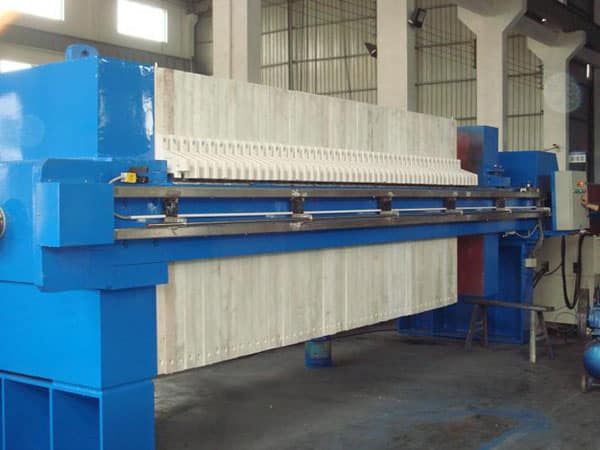
Bei der Sidebar-Konstruktion werden die Platten auf zwei parallelen Trägern an den Seiten der Presse geführt. Diese Konfiguration ermöglicht einen vollständigen Zugang zum Plattenpaket von oben und von der Seite, was die Inspektion, den Wechsel und die allgemeine Wartung des Filtertuchs erheblich erleichtert. Sie ist die gängige Wahl für Anwendungen mit mittlerem bis hohem Durchsatz in den meisten Branchen. Die Zugänglichkeit verkürzt die mittlere Reparaturzeit bei Tuchproblemen. Bei extrem großen Pressen mit sehr langen Platten kann das Sidebar-Design jedoch Probleme mit der Durchbiegung und Ausrichtung der Platten unter hohem Druck verursachen.
Analyse der Konstruktion von Hängebalken
Bei der Hängebalkenkonstruktion sind die Platten an einem einzigen, hochbelastbaren Balken aufgehängt, der sich oberhalb des Plattenpakets befindet. Dies sorgt für außergewöhnliche Stabilität und Plattenausrichtung und ist daher der Standard für sehr große Hochdruck-Filterpressen mit hoher Kapazität, wie z. B. in großen Bergbaubetrieben. Außerdem wird die Bodenfläche unter der Presse völlig frei, was die Integration von Förderbändern für den Kuchentransport vereinfacht. Der Nachteil ist die eingeschränkte Zugänglichkeit für die Wartung, die oft Plattformen oder Spezialwerkzeuge für den Tuchwechsel erfordert.
Strategische Auswahlkriterien
Bei dieser Wahl werden die anfänglichen Kapitalkosten gegen die langfristige Betriebseffizienz abgewogen. Die Hängebalkenkonstruktion ist aufgrund ihrer schwereren Konstruktion in der Regel mit höheren Anschaffungskosten verbunden. Die Seitenholm-Konstruktion kann einen niedrigeren Einstiegspreis haben, bietet aber geringere Arbeitskosten für die Wartung während der gesamten Lebensdauer. Aus strategischer Sicht sollte die Wahl des Rahmens von der erforderlichen Plattengröße, dem Betriebsdruck und der Wartungsphilosophie der Anlage abhängen. Einige moderne Hybridkonstruktionen, wie die “Quad Press” mit vier Führungsstangen, versuchen, die Stabilität eines Hängebalkens mit der Zugänglichkeit eines Seitenbalkens zu vereinen, und stellen damit eine dritte Option für eine kritische Bewertung dar.
Kritische Hilfssysteme für eine vollständige Installation
Das integrierte System-Ökosystem
Eine vollautomatische Filterpresse ist das Herzstück eines umfassenderen Entwässerungssystems. Wenn man sie als Einzelanschaffung betrachtet, entstehen sofort Engpässe. Das wesentliche Zusatzsystem umfasst eine Schlammspeisepumpe mit variablem Frequenzantrieb für eine präzise Befüllung, ein Hydraulikaggregat (HPU) für die Schließung, ein Druckluftsystem für das Aufblasen der Membranplatten und die Aktuatoren, ein automatisches Tuchwaschsystem und eine integrierte Kuchenförderung über Förderbänder oder Trichter. Die SPS-basierte Steuertafel ist das Gehirn, das diese Komponenten steuert. Die Vernachlässigung der Spezifikation und Integration einer einzelnen Komponente beeinträchtigt die Automatisierung und Leistung des gesamten Systems.
Das Argument für die integrierte Beschaffung
Die Komplexität der Verknüpfung mechanischer, hydraulischer, pneumatischer und elektrischer Systeme begünstigt die Beschaffung bei einem integrierten Lösungsanbieter. Ein einziger Anbieter, der für das gesamte Paket verantwortlich ist - vom Güllebehälter bis zum Kuchenförderer - vereinfacht das Projektmanagement, stellt die Kompatibilität der Komponenten sicher und bietet einen einzigen Verantwortungspunkt für die Leistungsgarantien. Dieser Trend zur Konsolidierung verringert den Einfluss des Käufers bei Ausschreibungen mit mehreren Anbietern, minimiert jedoch das Schnittstellenrisiko. Gemäß den technischen Bedingungen, die in Normen wie JB/T 4333.2-2019 Platten- und Rahmenfilterpresse Teil 2: Technische Bedingungen, Die Leistung des montierten Produkts hängt von der ordnungsgemäßen Integration dieser Hilfssysteme ab.
Kritische Hilfssysteme für eine vollständige Installation
| System-Komponente | Primäre Funktion | Notwendigkeit der Integration |
|---|---|---|
| Schlammspeisepumpe | Präzise Kammerbefüllung | Obligatorisch für die Automatisierung |
| Hydraulisches Aggregat (HPU) | Spannkraft des Plattenpakets | Kernstromquelle |
| Druckluftsystem | Aufblasen der Membranplatte | Ermöglicht Sekundärentwässerung |
| Automatische Tuchwäsche | Verhindert das Erblinden von Stoffen | Reduziert die manuelle Wartung |
| PLC & HMI Bedienfeld | Orchestriert den gesamten Zyklus | Zentrale Automatisierungsintelligenz |
Quelle: JB/T 4333.2-2019 Platten- und Rahmenfilterpresse Teil 2: Technische Bedingungen. Diese Norm legt die technischen Bedingungen für die Montage und die Produktqualität fest, die die Integration und die Leistungsanforderungen für Hilfssysteme wie Hydraulikeinheiten und Steuerungen umfassen.
Betriebliche Überlegungen: Wartung, Sicherheit und Überwachung
Technische Sicherheit und Wartungszugang
Betriebssicherheit ist nicht verhandelbar. Moderne Pressen verfügen über eine vollständige Umfangssicherung mit verriegelten Türen, die den Zyklus beim Öffnen anhalten. Für das Einleiten der Schließsequenz sind Zweihandsteuerungen erforderlich. Vom Wartungsstandpunkt aus gesehen sind Merkmale wie schnell lösbare Tuchklammern, zentralisierte Schmierpunkte und automatische Tuchwaschzyklen kein Luxus, sondern eine Notwendigkeit, um Ausfallzeiten zu minimieren. Ein leicht zu übersehendes Detail ist die Platzierung von Entleerungsöffnungen und Reinigungsventilen an den Hilfsleitungen, die die Zeit für Spülung und Wartung drastisch reduzieren.
Die Rolle von Konnektivität und Daten
Durch die Möglichkeit der Fernüberwachung wird die Anlage von einer Kostenstelle zu einer Datenquelle. Moderne SPS können Zykluszeiten, Druckprofile, Fördermengen und Kuchengewichte aufzeichnen. Diese Daten ermöglichen ein Leistungs-Benchmarking, eine vorausschauende Wartung (z. B. die Erkennung von allmählichem Stoffverkleben oder Pumpenverschleiß) und Ferndiagnoseunterstützung durch den Hersteller. Diese Konnektivität signalisiert eine Verschiebung der Servicemodelle und ebnet den Weg für leistungsbasierte Serviceverträge und datengesteuerte Service-Level-Agreements (SLAs). Die Sicherheit dieser Datenverbindung und das Eigentum an den Prozessdaten sind nun wichtige wirtschaftliche Überlegungen.
Betriebliche Überlegungen: Wartung, Sicherheit und Überwachung
| Schwerpunktbereich | Hauptmerkmal / Metrik | Strategischer Nutzen |
|---|---|---|
| Sicherheit | Verriegelte Türen, Zweihandbedienung | Einhaltung des Bedienerschutzes |
| Wartung | Schnellwechselsysteme für Tücher | Reduzierte Ausfallzeiten |
| Stoff Gesundheit | Automatisierte Waschzyklen | Verhindert Blendung, hält den Fluss aufrecht |
| Konnektivität | Fernüberwachung und Datenprotokollierung | Ermöglicht vorausschauende Wartung |
| Künftiger Dienst | Datengesteuerte SLAs | Transformiert die Lieferantenbeziehung |
Quelle: JB/T 4333.3-2019 Platten- und Rahmenfilterpresse Teil 3: Sicherheitsanforderungen. Diese Norm legt Sicherheitsanforderungen für Konstruktion und Fertigung fest, die sich direkt auf die Sicherheitsmerkmale wie Verriegelungen und Steuerungen beziehen, die für einen sicheren automatisierten Betrieb erforderlich sind.
Anwendungsspezifische Designs für verschiedene Branchen
Unterschiedliche Anforderungen bestimmen das Design
Die Konstruktion von Filterpressen ist aufgrund der sehr unterschiedlichen Prozessanforderungen stark nach Branchen segmentiert. Im Bergbau und bei kommunalen Abwässern stehen Robustheit und hoher Durchsatz im Vordergrund. Membranpressen aus lackiertem Kohlenstoffstahl sind Standard. Im Gegensatz dazu ist in der Lebensmittel-, Pharma- und Spezialchemieindustrie ein hygienisches Design vorgeschrieben: Edelstahl (304 oder 316L), CIP-Sprühsysteme (Clean-in-Place), polierte Oberflächen und häufig abgedichtete Platten für einen absolut leckagefreien Betrieb. Die chemische Verarbeitung kann exotische Materialien wie Hastelloy oder eine vollständige PVDF-Auskleidung für hohe Korrosionsbeständigkeit erfordern.
Die Bedeutung von Fachwissen
Diese Spezialisierung bedeutet, dass die Auswahl des Lieferanten entscheidend ist. Ein Lieferant, der sich auf die Verarbeitung von Mineralien spezialisiert hat, kennt sich möglicherweise nicht mit den Protokollen, der Dokumentation und den Materialzertifizierungen aus, die für die FDA-regulierte Produktion erforderlich sind. Einkäufer müssen einen Partner mit nachgewiesener, referenzierbarer Erfahrung in ihrem spezifischen Sektor auswählen. Dadurch wird sichergestellt, dass das System nicht nur eine allgemeine automatisierte Presse ist, sondern eine technisch ausgereifte Lösung, die den einschlägigen Industriestandards und bewährten Verfahren entspricht, von der Wahl des Dichtungsmaterials bis hin zur Konstruktion der Kuchenaustragsrutschen.
Anwendungsspezifische Designs für verschiedene Branchen
| Industrie | Typische Konstruktion | Kritische Designmerkmale |
|---|---|---|
| Bergbau & Kommunen | Lackierter Kohlenstoffstahl | Robuste, membranartige Platten |
| Lebensmittel und Pharmazeutika | Rostfreier Stahl (304/316L) | FDA-Materialien, CIP-Systeme |
| Chemische Verarbeitung | Korrosionsbeständige Legierungen | Abgedichtete Platten, leckfrei |
| Spezialitätenchemie | Platten- und Rahmenkonstruktion | Ausgiebiges Kuchenwaschen |
Quelle: Technische Dokumentation und Industriespezifikationen.
Die Auswahl Ihrer Filterpresse: Ein Schritt-für-Schritt-Entscheidungsrahmen
Ziele definieren und Experten einbeziehen
Beginnen Sie mit der Quantifizierung der Prozessziele: angestrebter Kuchentrockengehalt (%), erforderlicher Durchsatz (Tonnen/Tag), Eigenschaften des Schlamms (pH-Wert, Temperatur, Partikelgröße) und verfügbare Betriebsmittel (Strom, Wasser, Druckluft). Wenden Sie sich frühzeitig an 3-4 Lieferanten mit nachgewiesener Erfahrung in Ihrer Branche. Übermitteln Sie ihnen eine detaillierte Informationsanfrage (RFI) mit Schlammproben. Anhand ihrer ersten Rückmeldungen können Sie feststellen, wie gut sie Ihre spezifische Herausforderung verstehen und angehen.
Mandat Pilottests und Datenanalyse
Der kritischste Schritt ist die Durchführung von Pilotfiltrationstests mit Ihrem tatsächlichen Schlamm. Diese nicht zu vernachlässigende Aktivität generiert definitive Daten über optimale Filtertuchmedien, erreichbare Kuchenfeuchte, realistische Zykluszeiten und Feststoffabscheiderate. Nutzen Sie diese empirischen Daten, um konkurrierende Technologien zu vergleichen und die erforderliche Plattenfläche und das Kammervolumen genau zu bestimmen. Die Tests sollten nach etablierten Protokollen durchgeführt werden, wie z. B. denjenigen, die in GB/T 32710-2016 Prüfverfahren für Platten- und Rahmenfilterpressen, um vergleichbare und zuverlässige Ergebnisse zu gewährleisten.
Bewertung durch Gesamtbetriebskosten
Erstellen Sie anhand von Pilotdaten und vorläufigen Kostenvoranschlägen ein strenges TCO-Modell für jede Option. Berücksichtigen Sie dabei die Investitionskosten, die Installation, den Energieverbrauch (Pumpe, Kompressor, HPU), die voraussichtliche Lebensdauer des Gewebes und die Ersatzkosten, den geschätzten Wartungsaufwand und den strategischen Wert von Funktionen wie erweiterte Optimierungsmodi oder Fernüberwachung. Eine Druckmaschine mit 15% höheren Investitionskosten, aber 30% geringerem Stoffverbrauch und 20% geringerem Energieverbrauch pro Tonne hat eine bessere TCO. Diese abschließende Analyse stellt sicher, dass das ausgewählte System ein strategischer Vermögenswert ist, der für Ihr betriebliches und finanzielles Umfeld optimiert ist.
Bei der Auswahl einer vollautomatischen Filterpresse kommt es nicht nur auf die grundlegenden Spezifikationen an, sondern auch auf eine ganzheitliche Analyse der Integration, der Lebenszykluskosten und der strategischen Eignung. Geben Sie empirischen Daten aus Pilotversuchen den Vorzug vor theoretischen Behauptungen. Bewerten Sie das komplette System - Nebenaggregate und Steuerung - und nicht nur die Presse selbst. Beurteilen Sie schließlich die Anbieter nach ihrer branchenspezifischen technischen Kompetenz und ihrer Fähigkeit, eine datengesteuerte, TCO-optimierte Lösung zu unterstützen.
Benötigen Sie professionelle Unterstützung bei der Spezifikation und dem Pilotversuch eines vollautomatischen Entwässerungssystems für Ihren Betrieb? Das Ingenieurteam von PORVOO ist darauf spezialisiert, integrierte Filterpressenlösungen so zu gestalten, dass sie präzise industrielle Ziele erfüllen, von der ersten Prüfung bis zur Inbetriebnahme. Prüfen Sie detaillierte technische Spezifikationen und erkunden Sie Konfigurationsoptionen für vollautomatische Filterpressensysteme. Für eine direkte Beratung über Ihre Bewerbung können Sie auch Kontakt.
Häufig gestellte Fragen
F: Wie kann man eine vollautomatische Filterpresse für eine bestimmte Schlammanwendung genau dimensionieren?
A: Die korrekte Dimensionierung erfordert die Analyse voneinander abhängiger Parameter wie Plattengröße (470 mm bis 2500 mm), Gesamtkammervolumen und Filtrationsfläche (m²), die den Durchsatz bestimmen. Auch die Betriebsdrücke für die Befüllung (7-10 bar) und die Membranabpressung (15-25 bar) sind entscheidend. Das bedeutet, dass Sie die Gesamtbetriebskosten modellieren und dabei die potenzielle Flächenverringerung durch Membranplatten berücksichtigen müssen, anstatt die Auswahl auf der Grundlage des Stückpreises oder einer einzigen Spezifikation allein zu treffen.
F: Welches sind die wichtigsten Sicherheits- und Leistungsstandards für eine vollautomatische Filterpresse?
A: Diese Systeme müssen den Industrienormen für Leistungstests, technische Spezifikationen und Sicherheit entsprechen. Die JB/T 4333.3-2019 Norm definiert grundlegende Sicherheitsanforderungen für automatisierte Zyklen, während JB/T 4333.2-2019 setzt technische und qualitative Maßstäbe. Bei Projekten, bei denen die Betriebszuverlässigkeit von entscheidender Bedeutung ist, sollten Sie bei der Beschaffung überprüfen, ob der Anbieter diese Standards einhält.
F: Wie wählt man das richtige automatische Kuchenaustragssystem für klebrige oder schwere Schlämme aus?
A: Der optimale Austragsmechanismus hängt direkt von den Schlammeigenschaften ab. Mechanische Abstreifer oder Vor- und Rücklaufsysteme eignen sich für klebrige oder schwere mineralische Kuchen, während Vibration für dichte, nicht klebrige Materialien geeignet ist. Diese Auswahl bestimmt die Eignung für die jeweilige Anwendung. Daher müssen Sie Pilotversuche mit Ihrem aktuellen Schlamm durchführen, um die Kuchenablösung und die Lebensdauer der Tücher vor dem Kauf zu prüfen und so das Risiko dieser kritischen Entscheidung zu verringern.
F: Welche Hilfssysteme sind für eine wirklich vollständige, vollautomatische Anlage erforderlich?
A: Ein voll funktionsfähiges System erfordert ein integriertes Ökosystem über die Presse selbst hinaus. Zu den wesentlichen Peripheriegeräten gehören eine Präzisionsschlammspeisepumpe, ein Hydraulikaggregat (HPU), Druckluft für die Membranen, ein automatisches Tuchwaschsystem und Förderbänder zur Kuchenbehandlung, die alle von einer zentralen SPS gesteuert werden. Diese Komplexität bedeutet, dass Sie Lieferanten den Vorzug geben sollten, die die Leistung des gesamten Entwässerungspakets liefern und garantieren können.
F: Wie wirkt sich die strukturelle Wahl zwischen Seitenbalken- und Hängebalkenkonstruktionen auf den langfristigen Betrieb aus?
A: Das Sidebar-Design bietet eine bessere Zugänglichkeit für Wartung und Tuchwechsel, während der Überkopfbalken eine größere Stabilität für sehr große Pressen mit hoher Kapazität bietet und Platz spart. Bei dieser Wahl werden die Anschaffungskosten gegen die langfristige Betriebseffizienz abgewogen. Wenn Ihr Betrieb Wert auf minimale Ausfallzeiten bei der Wartung legt, sollte die Zugänglichkeit der Seitenholmkonfiguration ein wichtiger Bewertungsfaktor sein.
F: Warum ist branchenspezifisches Konstruktionswissen bei der Auswahl eines Filterpressenanbieters entscheidend?
A: Die Konstruktionsanforderungen sind je nach Sektor sehr unterschiedlich; im Bergbau wird robuster, lackierter Stahl verwendet, während für die Lebensmittel- und Pharmabranche Edelstahl (304/316L), CIP-Fähigkeiten und häufig abgedichtete Platten erforderlich sind. Diese Spezialisierung bedeutet, dass ein Anbieter, der für mineralische Schlämme optimiert ist, in der Regel nicht über die Konstruktionsphilosophie für eine sterile Anlage verfügt. Sie müssen einen Lieferanten mit bewährter, konformer technischer Erfahrung in Ihrer spezifischen Branche wählen.
F: Welche Rolle spielt die SPS über die grundlegende Automatisierung hinaus in einer modernen Filterpresse?
A: Fortschrittliche SPS ermöglichen eine strategische Prozessoptimierung durch den Betrieb in durchsatz-, feuchtigkeits- oder energieoptimierten Modi. Diese Intelligenz ermöglicht es den Anlagen, ihre größten variablen Kosten dynamisch zu minimieren, ob es sich nun um Entsorgungsgebühren oder den Energieverbrauch handelt. Wenn Ihre betrieblichen Ziele eine adaptive Kostenkontrolle beinhalten, sollten Sie Systemen mit diesen fortschrittlichen Optimierungsfunktionen den Vorzug geben.