Für Industriebetriebe ist die Auswahl eines Entstaubungssystems eine wichtige Investitionsentscheidung, die sich direkt auf die Betriebszeit, das Risiko der Einhaltung von Vorschriften und die langfristigen Betriebskosten auswirkt. Die falsche Wahl führt zu anhaltenden Problemen mit dem Luftstrom, zu behördlichen Auflagen und zu versteckten Kosten durch vorzeitigen Filterausfall und ungeplante Ausfallzeiten. Dieser Leitfaden geht über die allgemeinen Spezifikationen hinaus und bietet einen Entscheidungsrahmen für Ingenieure und Anlagenmanager, die für die Beschaffung und die Systemleistung verantwortlich sind.
Die gesetzlichen und wirtschaftlichen Rahmenbedingungen erfordern Präzision. Angesichts der strengen Durchsetzung der Normen für brennbare Stäube und der steigenden Energiekosten ist ein Filterstaubabscheider nicht mehr nur ein Gerät zur Bekämpfung der Umweltverschmutzung - er ist eine zentrale Produktionsanlage. Ihre Fähigkeit zum Dauerbetrieb und ihre kompakte Bauweise machen sie zur ersten Wahl in der modernen Fertigung, aber ihre Leistung hängt von der richtigen technischen Spezifikation und Integration ab.
Wie Patronenstaubabscheider funktionieren: Grundprinzipien
Der Vorteil der Pulse-Jet-Reinigung
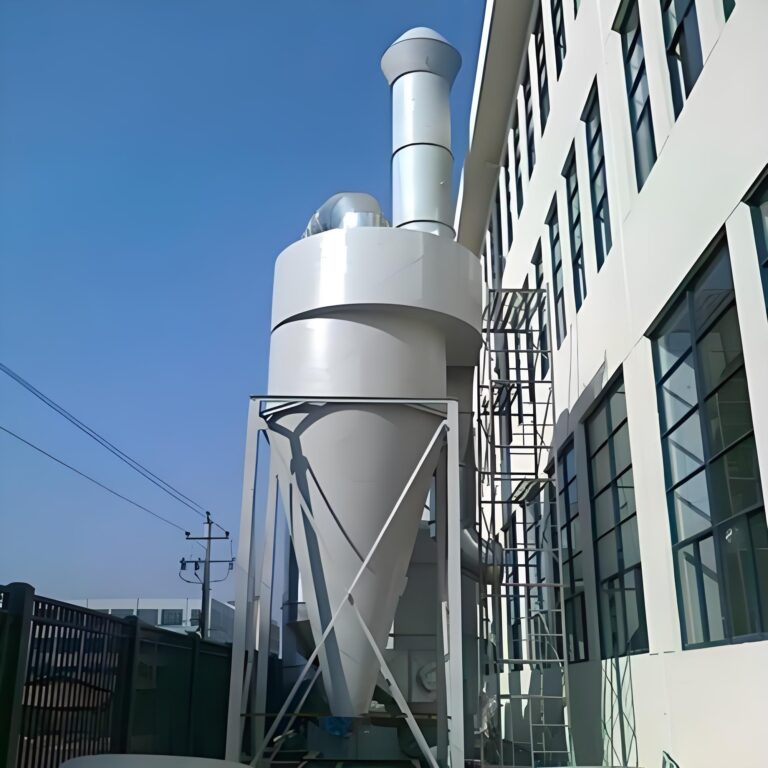
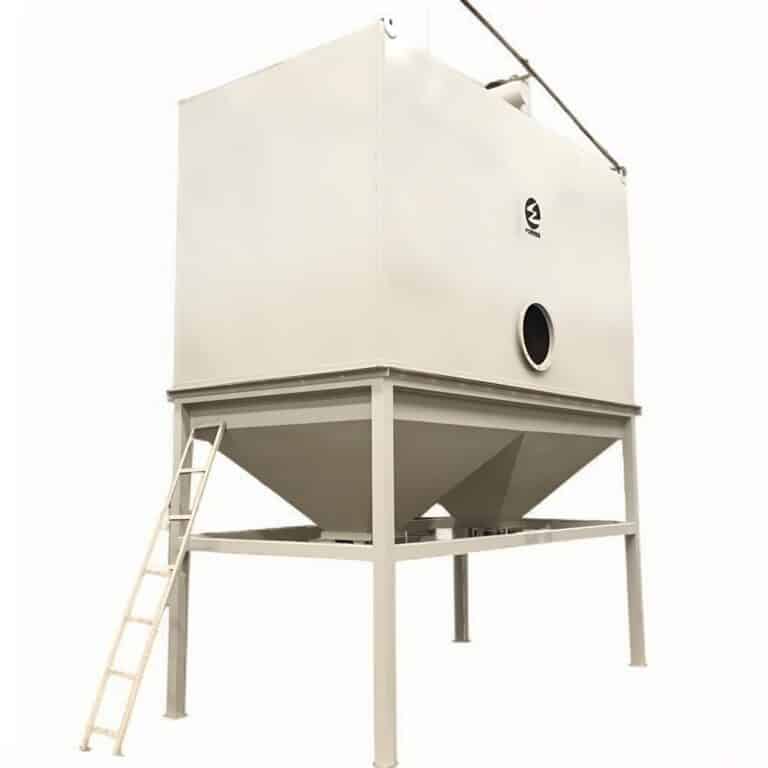
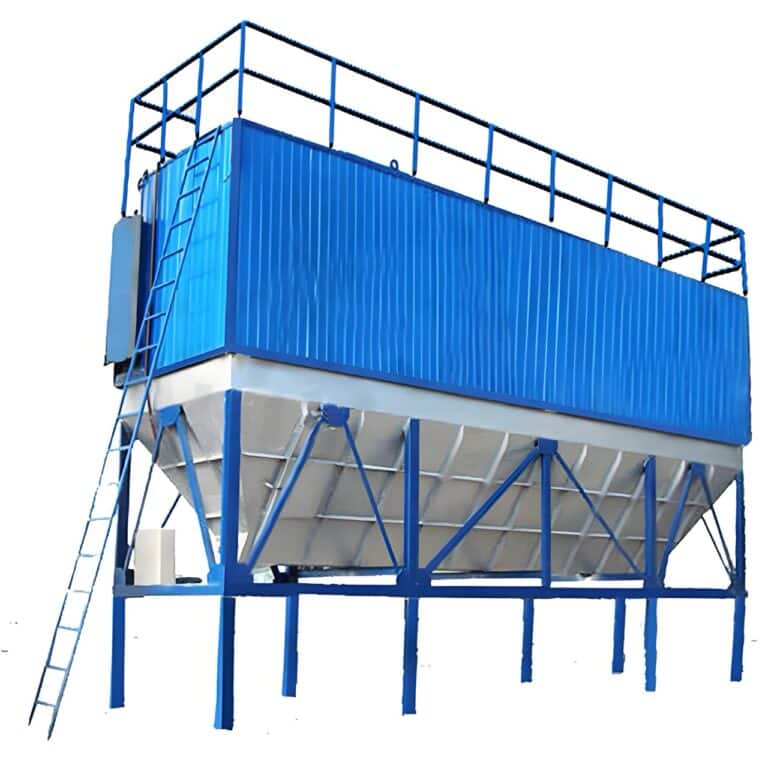
Patronenentstaubungsanlagen arbeiten nach dem Prinzip der kontinuierlichen Impulsstrahlabreinigung, was sie von Schlauchfiltern mit Chargenabreinigung unterscheidet. Die staubhaltige Luft tritt in den Abscheider ein, strömt in einen Trichter und bewegt sich durch vertikal angeordnete, gefaltete Filterpatronen nach oben. Die Partikel werden an der Außenfläche des Filters aufgefangen; die saubere Luft strömt durch das Filtermedium und verlässt den Filter. Diese Konstruktion ermöglicht eine deutlich geringere Stellfläche im Vergleich zu herkömmlichen Schlauchfiltern mit gleicher Filterfläche.
Ermöglichung kontinuierlicher Betriebszeiten in der Produktion
Das entscheidende Betriebsmerkmal ist der automatische Reinigungszyklus. Kurze, unter hohem Druck stehende Druckluftstöße werden auf die Reinseite des Filters gerichtet. Durch diesen Rückwärtsimpuls wird der angesammelte Staubkuchen ohne Unterbrechung des Luftstroms in den darunter liegenden Trichter geschleudert. Diese Fähigkeit ist eine strategische Notwendigkeit für Prozesse mit hoher Betriebszeit, da sie Produktionsunterbrechungen für die routinemäßige Filterreinigung überflüssig macht. Meine Erfahrung bei der Überwachung von Installationen zeigt, dass Anlagen, die von manuellen Shake- oder Offline-Systemen umgestellt werden, oft eine sofortige Steigerung der verfügbaren Produktionsstunden um 3-5% verzeichnen.
Systemgesundheit und der Staubkuchen
Ein effektiver Betrieb hängt von der Aufrechterhaltung eines gleichmäßigen Staubkuchens auf dem Filtermedium ab. Dieser Staubkuchen wirkt wie eine zweite Filterschicht und erhöht die Effizienz. Die Impulsabreinigung ist darauf ausgelegt, überschüssigen Kuchen zu entfernen, nicht die gesamte Beschichtung. Zu aggressive Abreinigungszyklen können diese vorteilhafte Schicht abtragen, was die Effizienz verringert und den Medienverschleiß beschleunigt, während eine unzureichende Abreinigung zu einem hohen Druckabfall und einem gedrosselten Luftstrom führt.
Wichtige technische Daten: CFM, Luft-zu-Tuch-Verhältnis und Medien
Grundlage der Systemdimensionierung
Die korrekte Dimensionierung hängt von zwei voneinander abhängigen Parametern ab: Kubikfuß pro Minute (CFM) und das Luft-Tuch-Verhältnis. CFM ist der volumetrische Luftstrom, den das System bewältigen muss und der durch die Konstruktion der Haube, die Erfassungsgeschwindigkeit und die Prozessanforderungen bestimmt wird. Eine Unterschätzung der CFM ist ein häufiger und kostspieliger Fehler, der zu einer unzureichenden Staubabscheidung an der Quelle führt.
Die kritische Dimensionierungsmetrik
Das Luft-zu-Tuch-Verhältnis - berechnet als CFM geteilt durch die Gesamtfläche des Filtermediums - ist die wichtigste Kennzahl für die Dimensionierung. Patronenkollektoren sind bei niedrigen Verhältnissen effektiv, normalerweise zwischen 2:1 und 6:1. Ein niedrigeres Verhältnis bedeutet mehr Filterfläche für einen bestimmten Luftstrom, was eine längere Lebensdauer des Filters, eine höhere Effizienz und einen geringeren Druckabfall begünstigt. Die Festlegung eines Verhältnisses am oberen Ende des Bereichs, um die Anschaffungskosten zu senken, ist ein häufiger Fehler, der die langfristigen Kosten für den Filteraustausch direkt erhöht.
Überwachung des Betriebszustands
Der Druckabfall (ΔP), der Widerstand über dem Filter, ist die wichtigste Kennzahl für den Gesundheitszustand. Ein anhaltender ΔP-Wert von mehr als 6-8 Zoll Wassersäule signalisiert, dass eine Reinigung erforderlich ist oder dass die Medien verstopft sind. Die Integration der Echtzeit-ΔP-Überwachung in die Anlagensteuerung ermöglicht eine vorausschauende Wartung, die unerwartete Luftstromverluste verhindert und den Energieverbrauch steuert, da der Ventilator bei höherem Widerstand härter arbeiten muss.
In der folgenden Tabelle sind die wichtigsten Parameter aufgeführt, die die Systemleistung und die Wartungszyklen bestimmen.
| Parameter | Typischer Bereich / Wert | Wichtigste Auswirkungen |
|---|---|---|
| Luft-zu-Tuch-Verhältnis | 2:1 bis 6:1 | Filterlebensdauer, Effizienz |
| Betriebsdruckverlust (ΔP) | 6-8 Zoll WC | Auslöser für die Wartung |
| CFM (Kubikfuß/Minute) | Prozessabhängig | Basis für die Systemauslegung |
| Filtermedienbereich | CFM/Verhältnis | Gesamtkapazität |
Quelle: Technische Dokumentation und Industriespezifikationen.
Auswahl der Filtermedien: Nanofaser vs. Polyester-Spinnvlies
Der wichtigste Leistungsengpass
Die Auswahl der Filtermedien ist der wichtigste Faktor, der die Effizienz, die Lebensdauer und die Gesamtkosten des Systems bestimmt. Die Wahl ist streng anwendungsspezifisch und kann nicht allein auf dem Preis basieren. Die Wahl des falschen Mediums führt direkt zu schlechter Leistung, häufigem Auswechseln und versteckten Kosten.
Anwendungsorientierte Schichtung
Die Medien sind in klare Leistungsstufen unterteilt. Nanofasermedien verfügen über eine ultrafeine Faserschicht auf einem Substrat und bieten eine hohe Effizienz (MERV 15/16) für Partikel im Submikronbereich wie Schweißrauch oder pharmazeutisches Pulver. Sie sind unverzichtbar, wenn es darum geht, strenge Ziele für die Luftqualität in Innenräumen zu erreichen oder wenn die Erfassung sehr feiner Partikel entscheidend ist. Spunbond-Polyester ist ein dickeres, monolithisches Material, das für eine lange Lebensdauer gegen abrasive Stäube vom Schleifen, Sandstrahlen oder Mineralien entwickelt wurde.
Das Gebot der Total-Cost-of-Ownership
Durch diese Schichtung wird die Beschaffung vom einfachen Preisvergleich zu einer TCO-Analyse. Nanofaserpatronen haben zwar höhere Stückkosten, aber ihre überlegene Effizienz und oft längere Lebensdauer bei Feinstaubanwendungen kann zu niedrigeren Kosten pro Betriebsstunde führen. Umgekehrt wäre die Verwendung von Nanofasern in einer stark abrasiven Umgebung aufgrund der schnellen physikalischen Degradation ein kostspieliger Fehler.
Die nachstehende Entscheidungsmatrix verdeutlicht die Hauptanwendung und die Effizienz der gängigen Medientypen.
| Medienart | Primäre Anwendung | Wirkungsgrad (typisch) |
|---|---|---|
| Nanofaser | Submikron-Partikel (z. B. Schweißrauch) | MERV 15/16 |
| Polyester-Spinnvlies | Schleifende Stäube (z. B. beim Schleifen) | Hohe Lebensdauer |
| Grundlage der Auswahl | Partikelgröße, Abrasivität | Gesamtkosten der Eigentümerschaft |
Quelle: Technische Dokumentation und Industriespezifikationen.
Sicherstellung der Einhaltung: OSHA, NFPA und brennbare Stäube
Unveräußerliche rechtliche Rahmenbedingungen
Die Einhaltung der Vorschriften bestimmt das Systemdesign und dient nicht nur als Informationsquelle. Abscheider müssen die OSHA-Grenzwerte (PEL) für die Luftqualität im Betrieb einhalten, was sich direkt auf die erforderliche Filtereffizienz auswirkt. Für brennbare Stäube - einschließlich Holz, Metalle, Kunststoffe und Lebensmittel - ist die Einhaltung der NFPA 652 Norm über die Grundlagen des brennbaren Staubs und NFPA 654 Standard für die Verhütung von Bränden und Staubexplosionen... ist obligatorisch. Diese Normen erfordern eine Staubgefahrenanalyse (DHA), um das Risiko zu klassifizieren.
Integration der Sicherheit als Kernkomponente
Die Einhaltung der Vorschriften erfordert spezielles Sicherheitszubehör als integrale Systemkomponenten und nicht als optionale Aufrüstungen. Dazu gehören Explosionsentlüftungen oder -paneele zur sicheren Druckentlastung, Absperrventile (Flamme oder chemisch), um eine Ausbreitung zurück in den Prozess zu verhindern, Funkenschutzvorrichtungen an den Einlässen und integrierte Feuerlöschsätze. Darüber hinaus sind die Verwendung von flammhemmenden Filtermedien und die Sicherstellung einer ordnungsgemäßen Erdung des gesamten Systems wichtige Details, die bei ersten Angeboten oft übersehen werden.
Die Kosten der Nichteinhaltung von Vorschriften
Die Nichtbeachtung dieser Anforderungen birgt ein katastrophales Risiko und führt zum Scheitern der Vorschriften. Ein Abscheider, der brennbare Stäube ohne den entsprechenden Schutz handhabt, ist eine potenzielle Bombe innerhalb der Anlage. Die DHA ist ein wesentlicher erster Schritt, der das Schutzsystem definiert. Daher ist die frühzeitige Beauftragung eines sachkundigen Lieferanten für jedes Projekt mit potenziell explosiven Partikeln entscheidend.
Diese Tabelle fasst die wichtigsten regulatorischen Faktoren und die von ihnen vorgeschriebenen Systemkomponenten zusammen.
| Anforderung | Standard / Fokus | Schlüsselkomponente des Systems |
|---|---|---|
| Grenzwerte für die Luftqualität | OSHA PELs | Effizienz der Filtermedien |
| Sicherheit bei brennbaren Stäuben | NFPA 652, 654 | Explosionsentlastungen, Absperrventile |
| Brandverhütung | NFPA-Normen | Funkenschutzvorrichtungen, Entstörungssätze |
| Mediensicherheit | Umgang mit brennbarem Staub | Flammhemmende Filtermedien |
Quelle: NFPA 652 Norm über die Grundlagen des brennbaren Staubs und NFPA 654 Standard für die Verhütung von Bränden und Staubexplosionen.... Diese Normen schreiben eine Staubgefahrenanalyse (DHA) vor und bilden den grundlegenden Sicherheitsrahmen für die Planung und den Betrieb von Entstaubungsanlagen, in denen brennbare Partikel gehandhabt werden, und geben direkte Informationen über das erforderliche Sicherheitszubehör.
Optimierung der Leistung: Bewährte Praktiken für Wartung und Überwachung
Proaktive versus reaktive Behandlungen
Nachhaltige Leistung erfordert eine Umstellung von reaktiver auf proaktive Wartung. Neben der Überwachung des Druckabfalls sind regelmäßige visuelle Inspektionen auf Lecks, Korrosion und Komponentenverschleiß unerlässlich. Die Überprüfung des Druckluftverbrauchs für das Pulse-Jet-System kann ineffiziente Magnetventile oder Lecks aufdecken, während die Überwachung der Stromstärke des Lüftermotors hilft, Einschränkungen des Luftstroms frühzeitig zu erkennen.
Sicherheit und Schnelligkeit bei der Wartung
Das Design des Kollektors wirkt sich direkt auf die Wartungskosten und -risiken aus. Moderne Systeme verfügen über werkzeuglose, von außen zugängliche Türen, die den Filterwechsel ohne Betreten des Sammelbehälters ermöglichen. Dieser technische Kompromiss - geringfügig höhere Hardwarekomplexität für eine erhebliche Verringerung des Risikos, in enge Räume einzudringen, und der Ausfallzeiten - führt zu langfristigen Einsparungen bei der Einhaltung von Sicherheitsvorschriften und beim Arbeitsaufwand. Ich habe beobachtet, dass Anlagen die Zeit für den Filterwechsel von einer halbtägigen Aufgabe für mehrere Personen auf einen zweistündigen Vorgang für einen einzelnen Techniker mit gut durchdachten Systemen reduzieren.
Systematisches Trichter- und Entleerungsmanagement
Die planmäßige Entleerung von Trichtern über Zellenradschleusen verhindert ein Überlaufen von Staub, der Filter kurzschließen und Anlagen beschädigen kann. Die Aufzeichnung aller Wartungsaktivitäten anhand von Druckabfall- und Produktionsdaten ermöglicht die Optimierung der Wechselintervalle und die Vorhersage künftiger Ausfälle.
Ein diszipliniertes Instandhaltungsprogramm konzentriert sich auf Schlüsselaktivitäten und -kennzahlen, wie sie hier beschrieben sind.
| Tätigkeit | Schlüsselmetrik/Aktion | Nutzen Sie |
|---|---|---|
| Primäre Überwachung | Druckabfall (ΔP) | Auslöser für proaktive Wartung |
| Visuelle Inspektion | Lecks, Korrosion, Verschleiß | Verhindert Ausfälle |
| Filterwechsel-Design | Werkzeugloser, externer Zugang | Reduziert das Arbeitsrisiko |
| Wartung von Trichtern | Geplante Evakuierung | Verhindert Überlaufen |
| Verfolgung der Effizienz | Druckluftverbrauch | Identifiziert Abfall |
Quelle: Technische Dokumentation und Industriespezifikationen.
Kritische Systemkonfigurationen und Sicherheitszubehör
Modularität und Skalierbarkeit
Patronenkollektoren können in modularen Bänken oder Einheiten angeordnet werden, um die Kapazität an den Produktionsbedarf anzupassen. Diese Flexibilität ermöglicht die Einteilung in verschiedene Prozesse oder zukünftige Erweiterungen. Die strategische Entscheidung beinhaltet die Bewertung der zentralen gegenüber der dezentralen Sammlung; dezentrale Einheiten an jeder Maschine reduzieren oft die Komplexität der Rohrleitungen und die Anforderungen an die Ventilatorleistung.
Unverzichtbares Leistungszubehör
Wichtiges Zubehör verwandelt einen einfachen Kollektor in ein optimiertes System. Frequenzumrichter (VFDs) am Gebläsemotor modulieren die Drehzahl je nach Bedarf und sorgen so für erhebliche Energieeinsparungen. Schleusendrehklappen sorgen für einen versiegelten Austragspunkt für Staub in Fässer oder Förderanlagen und halten den Unterdruck im System aufrecht. Für brennbare Stäube sind umfassende Brand- und Explosionsschutzpakete vorgeschrieben, wie sie das EDI vorschreibt.
Auf dem Weg zu intelligenten Systemen
Der Trend in der Branche geht zu IoT-verbundenen Systemen. Intelligente Steuerungen nutzen Sensordaten (Druck, Temperatur, Luftstrom), um die Reinigungszyklen in Echtzeit zu optimieren und den Druckluftverbrauch und den Medienverschleiß zu minimieren. Um Investitionen zukunftssicher zu machen, müssen Systeme mit einer offenen oder aufrüstbaren Steuerungsarchitektur ausgewählt werden, um diese adaptiven Algorithmen und die verbesserten Berichtsfunktionen der Behörden zu nutzen.
Bewertung der Gesamtbetriebskosten (TCO) und des ROI
Über den Kaufpreis hinausgehen
Eine echte Finanzanalyse muss weit über die anfänglichen Investitionskosten hinausgehen. Der TCO-Rahmen umfasst den Energieverbrauch (der stark von der Verwendung von Drehstrommotoren und Frequenzumrichtern beeinflusst wird), die Kosten für den Austausch von Filtern und deren Lebensdauer, den Wartungsaufwand und die Kosten für mögliche Produktionsausfälle. Das plissierte Patronendesign bietet einen räumlichen Effizienzvorteil, verwendet aber oft teure Medien, wodurch die Kosten für die Lebensdauer des Filters eine wichtige Variable darstellen.
Der Filter Kostenfragmentierung
Der Filtermarkt ist stark fragmentiert, wobei die Kosten je nach Leistungsstufe (z. B. Standardpolyester, Nanofaser, flammhemmend) stark variieren. Bei der strategischen Beschaffung müssen daher die Lebensdauerkosten der Filter für die jeweilige Anwendung bewertet werden. Bei kontinuierlichen Prozessen rechtfertigen die Betriebszeitvorteile und der geringere Platzbedarf des Patronensystems in der Regel die höheren Filterkosten, so dass es im Vergleich zu Technologien, die eine Offline-Reinigung erfordern, die bessere langfristige Investition darstellt.
Quantifizierung des Uptime-Dividendenbetrags
Bei der ROI-Kalkulation muss der Betriebszeit ein monetärer Wert zugewiesen werden. Ein System, das einen kontinuierlichen Betrieb ermöglicht, während ein Chargensystem wöchentliche Abschaltungen für die Reinigung erfordern würde, kann sich innerhalb weniger Monate durch die wiedergewonnene Produktionskapazität bezahlt machen. Dies macht die Zuverlässigkeit und den kontinuierlichen Betrieb eines gut spezifizierten Patronenentstaubungsanlage einen direkten Beitrag zum Durchsatz und zu den Einnahmen leisten.
In einer umfassenden TCO-Analyse werden die Kostentreiber nach Kategorien aufgeschlüsselt, wie unten dargestellt.
| Kostenkategorie | Haupttreiber | Strategische Überlegungen |
|---|---|---|
| Energieverbrauch | Druckabfall, VFD-Einsatz | Großer Betriebsaufwand |
| Austausch des Filters | Medientyp, Lebensdauer | Große Kostenspanne nach Stufe |
| Wartungsarbeiten | Gestaltung der Barrierefreiheit des Systems | Auswirkungen auf die Kosten von Ausfallzeiten |
| Investitionsausgaben | Plissierte Patronenform | Kompakter Kompromiss bei der Stellfläche |
| Betriebszeit in der Produktion | Fähigkeit zum kontinuierlichen Betrieb | Rechtfertigt Premium-Medien |
Quelle: Technische Dokumentation und Industriespezifikationen.
Ihr System implementieren: Ein Schritt-für-Schritt-Projektleitfaden
Phase 1: Umfassende Prozessanalyse
Eine erfolgreiche Umsetzung beginnt mit einer gründlichen Datenerfassung. Bestimmen Sie die Staubeigenschaften: Partikelgrößenverteilung, Feuchtigkeitsgehalt, Abrasivität und Brennbarkeit (gemäß ASTM E1226). Dies dient als Grundlage für die Medienauswahl und die Gefahrenklassifizierung. Genaue Berechnung des CFM-Bedarfs anhand der Normen für die Auslegung von Hauben (ACGIH). Diese Phase muss mit einer formalen Staubgefahrenanalyse abgeschlossen werden, wenn brennbarer Staub vorhanden ist.
Phase 2: Spezifikation und Auswahl des Anbieters
Wenn die Analyse abgeschlossen ist, geben Sie das Luft-zu-Tuch-Verhältnis, den Medientyp und alle erforderlichen Sicherheitszubehörteile an. Berücksichtigen Sie bei der Auswahl eines Lieferanten die strategische Gabelung zwischen OEMs mit eigenen, optimierten Systemen und Drittanbietern, die markenübergreifende Filterkompatibilität bieten. Bauen Sie Beziehungen zu Lieferanten auf, die eine schnelle Lieferung garantieren und Lagerbestände an kritischen Komponenten wie Filtern vorhalten - eine strategische Absicherung gegen kostspielige ungeplante Ausfallzeiten.
Phase 3: Inbetriebnahme und betriebsbereite Übergabe
Der Installationsplan muss eine ordnungsgemäße Inbetriebnahme vorsehen: Überprüfung der Luftstromgleichgewichte, Prüfung der Funktionalität des Sicherheitssystems (z. B. Aktivierungsdruck der Explosionsentlastung) und Validierung der Steuerungsabläufe. Umfassende Bedienerschulungen zu den Überwachungsprotokollen (tägliche ΔP-Kontrollen, visuelle Inspektionen) und ein dokumentierter Plan für die vorbeugende Wartung sind unverzichtbare letzte Schritte, um die Investition zu schützen und die kontinuierliche Einhaltung der Vorschriften und die Leistung sicherzustellen.
Bei der Entscheidung für einen Filterstaubabscheider stehen drei Prioritäten im Vordergrund: eine genaue Analyse der Anwendung, eine Modellierung der Lebenszykluskosten im Vergleich zum Anschaffungspreis und die Integration der Einhaltung von Vorschriften von Anfang an. Die Auswahl der richtigen Filtermedien und des Sicherheitszubehörs auf der Grundlage Ihrer spezifischen Staubeigenschaften ist der Unterschied zwischen einer Belastung und einem zuverlässigen Vermögenswert. Eine Fehlkalkulation bei der Dimensionierung oder Gefahrenklassifizierung birgt erhebliche finanzielle und betriebliche Risiken.
Benötigen Sie eine professionelle Beratung, um ein System zu spezifizieren, das Ihre Produktions- und Compliance-Anforderungen erfüllt? Das Ingenieurteam von PORVOO kann Ihnen helfen, Ihre Prozessdaten in eine optimierte Entstaubungslösung umzusetzen. Für eine direkte Beratung können Sie auch Kontakt.
Häufig gestellte Fragen
F: Wie bestimmt man die richtige Größe für ein Patronenstaubabscheidersystem?
A: Die Dimensionierung erfordert die Berechnung der erforderlichen CFM für Ihren Prozess und dann die Anwendung des entsprechenden Luft-zu-Tuch-Verhältnisses, das bei Patronensystemen optimal zwischen 2:1 und 6:1 liegt. Dieses niedrige Verhältnis, das durch Division von CFM durch die Gesamtfilterfläche berechnet wird, gewährleistet eine längere Lebensdauer des Filters und eine effektive Partikelabscheidung. Bei Projekten, bei denen Energieeffizienz und Langlebigkeit des Filters im Vordergrund stehen, sollten Sie ein System wählen, das für ein niedrigeres Luft/Tuch-Verhältnis ausgelegt ist, auch wenn es anfangs eine etwas größere Grundfläche benötigt.
F: Welches sind die kritischen Sicherheitsanforderungen für einen Entstauber, der brennbare Materialien verarbeitet?
A: Systeme für brennbare Stäube müssen Explosionsschutz- und -verhinderungszubehör als Kernkomponenten integrieren, nicht als optionale Zusatzkomponenten. Dazu gehören Explosionsentlüftungen, Absperrventile, Funkenerkennung und Brandunterdrückung sowie die Verwendung von flammhemmenden Filtermedien. Die Einhaltung von Normen wie NFPA 652 und NFPA 654 ist obligatorisch, beginnend mit einer formellen Staubgefahrenanalyse. Das bedeutet, dass jede Anlage, die Holz-, Metall- oder Kunststoffpulver verarbeitet, diese technischen Sicherheitsmerkmale bereits in der ersten Entwurfsphase einplanen muss, um das Katastrophenrisiko zu mindern.
F: Wann sollten wir Nanofaser-Filtermedien dem herkömmlichen Spinnvlies-Polyester vorziehen?
A: Wählen Sie Nanofasermaterialien, wenn Ihr Hauptziel darin besteht, feine Partikel im Submikronbereich, wie Schweißrauch oder pharmazeutische Pulver, aufzufangen, um strenge Normen für die Luftqualität in Innenräumen oder Emissionen zu erfüllen. Entscheiden Sie sich für strapazierfähigeres Spinnvlies-Polyester, wenn Sie groben, abrasiven Staub aus Vorgängen wie Schleifen oder Sandstrahlen auffangen wollen. Das bedeutet, dass Einrichtungen mit strengen MERV 15/16-Effizienzzielen für die Gesundheit der Mitarbeiter Nanofasern den Vorzug geben sollten, obwohl sie in der Regel teurer sind, da das richtige Medium eine entscheidende betriebliche Priorität gegenüber der allgemeinen Beschaffung darstellt.
F: Wie verbessert die Echtzeitüberwachung die Leistung und Wartung von Staubabscheidern?
A: Die kontinuierliche Verfolgung des Druckabfalls (ΔP) des Systems ist ein direkter Gesundheitsindikator, der es ermöglicht, die Wartung proaktiv auszulösen, wenn der Widerstand zunimmt, typischerweise bevor er eine Wassersäule von 6-8 Zoll überschreitet. Die Integration dieser Daten in Anlagen-Dashboards ermöglicht optimierte Reinigungszyklen und die frühzeitige Erkennung von Luftstromproblemen. Wenn Ihr Betrieb Wert auf Produktionszeit und Energiekostenmanagement legt, sollten Sie einen Kollektor mit intelligenter Steuerung und Sensorintegration einplanen, der diesen vorausschauenden Ansatz ermöglicht.
F: Welche Faktoren außer dem Kaufpreis sollten wir in eine Analyse der Gesamtbetriebskosten einbeziehen?
A: Ein umfassendes TCO-Modell muss den Energieverbrauch (der stark vom Druckabfall und der Lüftersteuerung beeinflusst wird), die Lebensdauerkosten und die Häufigkeit des Austauschs von Filterpatronen, den erforderlichen Wartungsaufwand und die Risiken von Produktionsausfällen berücksichtigen. Die kompakte Bauweise von Patronensystemen wird häufig durch höhere Anschaffungskosten für die Medien gegen eine höhere räumliche Effizienz und eine längere Betriebszeit eingetauscht. Bei kontinuierlichen Fertigungsprozessen rechtfertigt dieser Betriebszeitvorteil in der Regel die Investition, so dass das Patronensystem trotz der höheren Filterkosten langfristig die bessere finanzielle Wahl ist.
F: Was ist der wichtigste betriebliche Vorteil eines Impulsstrahl-Reinigungssystems?
A: Der Puls-Jet-Mechanismus ermöglicht eine kontinuierliche, automatische Reinigung durch kurze Druckluftstöße, die den Staub entfernen, ohne den Betrieb des Kollektors zu unterbrechen. Dies unterscheidet sie von Batch-Reinigungssystemen, die regelmäßige Abschaltungen für die Wartung erfordern. Das bedeutet, dass Anlagen mit Produktionsprozessen mit hoher Betriebszeit Pulse-Jet-Cartridge-Collectors bevorzugen sollten, um Produktionsunterbrechungen für die Filterreinigung zu vermeiden und die Wartung mit der Betriebsstrategie in Einklang zu bringen.
F: Wie sollten wir bei der Auswahl der Lieferanten für Filter und Ersatzteile vorgehen?
A: Bewerten Sie den strategischen Kompromiss zwischen OEM-Systemen (Original Equipment Manufacturer), die oft proprietär und optimiert sind, und Drittanbietern, die markenübergreifende Filterkompatibilität und potenziell niedrigere Kosten bieten. Außerdem sollten Sie Lieferanten bevorzugen, die eine schnelle Lieferung garantieren und Lagerbestände kritischer Komponenten vorrätig haben, die schnell geliefert werden können. Wenn die Minimierung ungeplanter Ausfallzeiten ein Hauptanliegen ist, sollten Sie Beziehungen zu Anbietern aufbauen, deren Zuverlässigkeit in der Lieferkette eine strategische Absicherung für Ihren Betrieb darstellt.