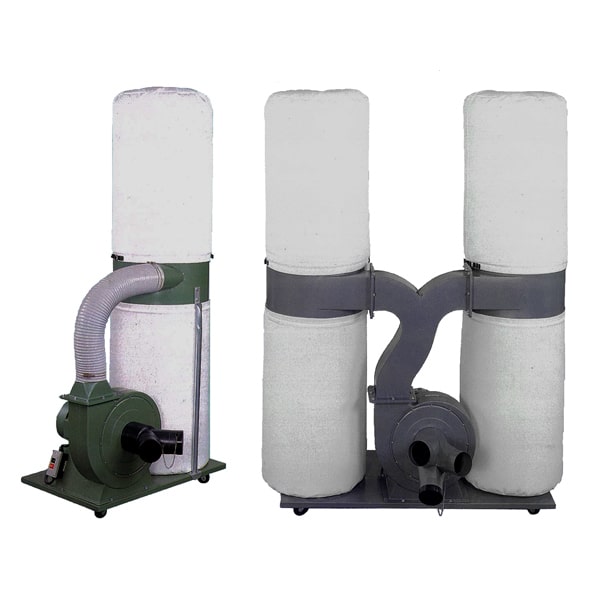
Die Auswahl eines industriellen Zyklonstaubabscheiders auf der Grundlage einer CFM-Spitzenleistung ist ein grundlegender Konstruktionsfehler. Die Leistung in der Praxis hängt von der genauen Überschneidung des erforderlichen Luftstroms und des statischen Druckwiderstands des Systems ab. Diese Diskrepanz führt zu leistungsschwachen Systemen, Energieverschwendung und ungelösten Staubproblemen, selbst bei einem scheinbar leistungsstarken Gerät.
Die genaue Dimensionierung ist keine Berechnung mit einer einzigen Variable, sondern eine systemtechnische Herausforderung. Sie erfordert einen methodischen Ansatz, der die Konstruktion der Abzugshaube, den Widerstand des Kanalsystems und die spezifische Leistungskurve des Zyklonventilators berücksichtigt. Dieser Leitfaden bietet einen schrittweisen Rahmen, um den genauen Betriebspunkt zu bestimmen und einen Abscheider auszuwählen, der optimale und zuverlässige Leistung liefert.
Die fundamentale Rolle von CFM und statischem Druck
Definition der kritischen Beziehung
Cubic Feet per Minute (CFM) quantifiziert die volumetrische Luftstromkapazität. Der statische Druck (SP), gemessen in Zoll Überdruck (WG), quantifiziert den Widerstand, den der Ventilator überwinden muss. Die Leistung eines Systems wird durch die Systemkurve definiert, wobei eine Verdopplung der CFM den SP-Verlust vervierfacht. Bei der Auswahl eines Kollektors allein nach der Spitzen-CFM wird diese Beziehung ignoriert und ein Leistungsdefizit garantiert, wenn der Ventilator auf den realen Widerstand von Rohrleitungen und Filtern trifft.
Die Systemkurve und die Ventilatorleistung
Bei einer effektiven Auslegung wird die Leistungskurve des Gebläses an die berechnete Systemkurve angepasst. Der Betriebspunkt liegt dort, wo sich diese beiden Kurven überschneiden. Ein Gebläse, das für 5000 CFM bei freier Luft ausgelegt ist, kann bei einem Systemwiderstand von 8″ WG nur 3000 CFM liefern. Branchenexperten betonen, dass für eine korrekte Dimensionierung sowohl die Ziel-CFM als auch der geschätzte SP bei dieser Fördermenge bekannt sein müssen. Diese Integration von Durchfluss und Druck ist die nicht verhandelbare Grundlage.
Von der Spezifikation zum realen Betrieb
Die strategische Bedeutung ist klar: Maximale CFM-Werte sind ohne entsprechende statische Druckdaten bedeutungslos. Der Trend geht immer mehr dahin, dass die Hersteller vollständige Ventilatorkurven und “tatsächliche CFM”-Werte für bestimmte Drücke angeben. Diese Transparenz ermöglicht eine genaue Leistungsvorhersage. Das Ziel besteht darin, einen bestimmten Betriebspunkt (CFM bei einem berechneten SP) zu definieren, den Ihr Kollektor erreichen muss, und damit über die Katalogangaben hinaus zu technischen Lösungen zu gelangen.
Schritt 1: Berechnen Sie CFM für jeden Erfassungspunkt
An der Quelle beginnen: Capture Hoods
Die Auslegung beginnt an jedem Punkt der Staubentwicklung. Für einfache Abzugshauben oder offene Kanalenden berechnen Sie CFM mit der Formel CFM = Fläche (ft²) x Einzugsgeschwindigkeit (FPM). Für Partikel ist eine Erfassungsgeschwindigkeit von 4000-4500 FPM Standard. Eine Haube mit einem Durchmesser von 6 Zoll benötigt für eine Fläche von 0,196 ft² etwa 882 CFM bei 4500 FPM. Damit ist der Grundluftstrom festgelegt, der erforderlich ist, um den Schadstoff an seiner Quelle einzudämmen.
Maschinenanschlüsse: Richtlinien und Beschränkungen
Für spezielle Maschinenöffnungen sollten Sie sich an bewährten Richtlinien orientieren, wie z. B. dem ACGIH Industrial Ventilation Manual. Diese bieten bewährte CFM-Bereiche auf der Grundlage von Anschlussgröße und Anwendung. Schwere Spänelasten oder Feinstaub erfordern das obere Ende dieser Bereiche. Ein kritisches, oft übersehenes Detail ist, dass der Anschlussdurchmesser aufgrund von Flächenbeschränkungen eine harte Obergrenze für die erreichbare CFM darstellt. Ein 4-Zoll-Anschluss hat nur 44% der Fläche eines 6-Zoll-Anschlusses, was den Durchfluss grundlegend einschränkt.
Überwindung des Engpasses im Hafen
Der erste Hebel zur Verbesserung der Erfassung ist häufig die Vergrößerung der Maschinenanschlüsse und nicht die Aufrüstung des Kollektors. Durch die Installation eines größeren Anschlusses wird dieser grundlegende Systemengpass beseitigt, bevor der Gesamtluftstrombedarf berechnet wird. Die folgende Tabelle fasst die wichtigsten CFM-Anforderungen für gängige Erfassungspunkte zusammen und bietet einen schnellen Überblick für erste Berechnungen.
CFM-Anforderungen für gemeinsame Erfassungspunkte
Die nachstehende Tabelle enthält Standard-CFM-Bereiche für verschiedene Arten von Erfassungspunkten und dient als wesentlicher Ausgangspunkt für die Berechnung Ihrer Systemauslegung.
| Erfassungspunkt Typ | Wichtige Parameter | Erforderlicher CFM-Bereich |
|---|---|---|
| Schlichte Haube (6″ Durchmesser) | Fläche x Geschwindigkeit (4500 FPM) | ~882 CFM |
| Maschinenanschluss (4″) | Standard-Leitfaden | 350-500 CFM |
| Maschinenanschluss (5″) | Standard-Leitfaden | 600-800 CFM |
| Maschinenanschluss (6″) | Standard-Leitfaden | 700-1000+ CFM |
| Feinstaub / schwere Lasten | Höheren CFM-Bereich verwenden | 800-1000+ CFM |
Quelle: ACGIH Industrielle Belüftung: Ein Handbuch der empfohlenen Praxis. Dieses Handbuch enthält die grundlegenden technischen Prinzipien und empirischen Daten zur Bestimmung der erforderlichen Erfassungsgeschwindigkeiten und Volumenströme (CFM) für lokale Ablufthauben und Maschinenanschlüsse.
Schritt 2: CFM summieren und Systemfaktoren anwenden
Berechnung der Systembasislinie
Nachdem Sie den individuellen Bedarf berechnet haben, addieren Sie die CFM-Anforderungen für alle Quellen, die gleichzeitig in Betrieb sind. Dies bestimmt den Minimum System CFM. Dies erfordert eine strategische Bewertung der Arbeitsabläufe. Ein Ein-Mann-Betrieb braucht vielleicht nur die größte Einzelmaschine zu bedienen, während eine automatisierte Produktionslinie die Summe aller gleichzeitigen Quellen benötigt. Diese Gesamtsumme ist die Grundlage für Ihre Planung.
Berücksichtigung von Marktgestaltungsphilosophien
Diese Ausgangssituation muss durch die Brille des zweigeteilten Kollektormarktes betrachtet werden. Nordamerikanische Modelle sind oft auf hohe CFM bei Anwendungen mit mehreren Anschlüssen und größeren Kanälen optimiert. Bei europäischen Modellen liegt der Schwerpunkt häufig auf einem hohen statischen Druck für restriktive Anschlüsse und dichte Netze. Die Diagnose der primären Einschränkung - gleichzeitiger Betrieb oder Einzelmaschinenerfassung - ist für die Navigation in diesem zweigeteilten Markt unerlässlich.
Planung für den zukünftigen Zustand
Ihre berechnete CFM muss auch zukünftige Erweiterungen berücksichtigen. Das Hinzufügen von 20-30%-Kapazität für erwartete neue Maschinen oder Hauben ist eine gängige Praxis. Das Verständnis dieser Marktphilosophie hilft Ihnen bei der Auswahl einer Kollektorkategorie, die auf Ihre betriebliche Realität und Ihren Wachstumspfad abgestimmt ist, und stellt sicher, dass das System effektiv bleibt, wenn sich die Anforderungen weiterentwickeln.
Schritt 3: Schätzen Sie den gesamten statischen Druckverlust des Systems
Komponenten des Systemwiderstandes
Die genaue Schätzung des gesamten statischen Druckverlusts ist der Punkt, an dem die theoretische CFM auf die praktische Realität trifft. Der Widerstand ergibt sich aus der Reibung des Kanals, den Krümmern, den Eintrittsverlusten der Haube, dem Zyklonabscheider und dem Endfilter. Jede Komponente trägt zum Gesamt-SP bei, den der Ventilator überwinden muss. Flexible Schläuche sind zwar praktisch, können aber den SP-Verlust im Vergleich zu glatten Metallrohren um 200-300% erhöhen und sollten daher bei der Konstruktion minimiert werden.
Die Hebelwirkung des statischen Drucks bei Nachrüstungen
Dieser Schritt ist für die Nachrüstung älterer Systeme entscheidend. Die Umrüstung nur des Kollektorlüfters auf eine Konstruktion mit hohem statischen Druck kann die Leistung eines bestehenden Netzes von unterdimensionierten Kanälen ohne eine vollständige Überholung erheblich verbessern. Diese gezielte Investition macht sich das quadratische Verhältnis zwischen Druck und Durchfluss zunutze und macht den statischen Druck zum wichtigsten Hebel für die Verbesserung älterer Anlagen.
Festlegen des Zielbetriebspunkts
Das Ziel ist es, den spezifischen Betriebspunkt zu definieren: Ihre erforderliche CFM bei der berechneten System-SP. Diesen Punkt werden Sie mit der Leistungskurve eines Zyklons abgleichen. Die folgende Tabelle gibt einen Überblick über die Auswirkungen verschiedener Komponenten auf den Systemwiderstand und die Abhilfestrategien.
Schätzen des Druckverlusts einer Komponente
Das Verständnis des Beitrags jeder Systemkomponente zum statischen Druckverlust ist für eine genaue Abschätzung und eine wirksame Abmilderung des Problems unerlässlich.
| System-Komponente | Statischer Druck Auswirkungen | Strategie zur Risikominderung |
|---|---|---|
| Flexibler Schlauch | 200-300% Erhöhung | Verwendung minimieren |
| Glatte Metallkanäle | Grundlegender Widerstand | Bevorzugter Weg |
| Ellenbogen & Haubeneingang | Additive Verluste | Layout optimieren |
| Zyklon & Endfilter | Wichtige Widerstandspunkte | Größe pro CFM/SP |
| Nachrüstung von Altsystemen | Wichtige Hebelwirkung | Lüfter/SP aufrüsten |
Quelle: Technische Dokumentation und Industriespezifikationen.
Schritt 4: Anpassung der Zyklon-Spezifikationen an Ihre CFM und SP
Interpretation der Herstellerspezifikationen
Wenn Sie die Ziel-CFM und den geschätzten SP kennen, wählen Sie ein Zyklonmodell, das für diesen Betriebsbereich ausgelegt ist. In den Spezifikationen von Industriezyklonen werden CFM-Bereiche mit der Motorleistung verknüpft, aber die Leistung allein ist ein schlechter Indikator für die Leistungsfähigkeit. Ein 5-PS-Gerät kann für hohe CFM/niedrige SP oder niedrigere CFM/sehr hohe SP ausgelegt sein. Achten Sie daher vorrangig auf die statische Druckleistung und die Form der veröffentlichten Ventilatorkurve.
Auswahl des optimalen Betriebspunkts
Wählen Sie einen Zyklon, bei dem der von Ihnen benötigte Betriebspunkt im mittleren bis oberen Drittel des CFM-Nennbereichs bei Ihrem geschätzten SP liegt. Dies bietet Kapazitätsreserven und vermeidet einen ineffizienten Betrieb an den extremen Enden der Ventilatorkurve, wo die Leistung stark abfallen kann. Für Systeme mit restriktiven Anschlüssen wählen Sie ein Modell mit höherer Druckkapazität (z. B. 14″-20″ WG), um eine angemessene Erfassungsgeschwindigkeit zu gewährleisten.
Anpassung der Leistung an den Systemtyp
Der Markt bietet unterschiedliche Leistungsprofile. In der nachstehenden Tabelle sind die Zyklontypen nach ihren CFM- und statischen Druckeigenschaften kategorisiert, damit Sie die richtige Leistungsklasse für das Widerstandsprofil Ihres Systems finden.
Leistungsprofile von Zyklonen
Die Abstimmung des Zyklontyps auf die statischen Druckanforderungen Ihres Systems ist für die Erreichung des geplanten Luftstroms von entscheidender Bedeutung.
| Zyklon Leistungstyp | Kapazität für statischen Druck | Beispiel für Motor-PS |
|---|---|---|
| Hohe CFM / niedriger SP | Unterer Druckbereich | 5 PS |
| Niedrige CFM / hohe SP | 14″-20″ WG | 5 PS |
| Optimaler Arbeitspunkt | Mittlere-obere Fankurve | Variiert |
| Systeme mit restriktiven Anschlüssen | Erfordert hohe SP | 7,5-10+ PS |
Quelle: Technische Dokumentation und Industriespezifikationen.
Schritt 5: Luft-zu-Gewebe-Verhältnis: Dimensionierung der letzten Filterstufe
Die definierende Berechnung
Bei Systemen mit einem Nachfilter (Beutel oder Patrone) ist das Luft-zu-Tuch-Verhältnis der kritische Größenparameter für die Filtrationsstufe. Es wird berechnet als Gesamt-CFM des Systems ÷ Gesamtfläche der Filtermedien (ft²). Für allgemeinen Industriestaub ist ein Verhältnis von 3:1 bis 4:1 üblich. Dieses Verhältnis bestimmt direkt die Filterbelastung, die Reinigungshäufigkeit und die langfristige Systemstabilität.
Auswirkungen auf Betrieb und Wartung
Ein hohes Verhältnis überlastet die Filter, was zu einem schnellen Anstieg des Druckabfalls, häufigen Reinigungszyklen und einer Beeinträchtigung des Luftstroms führt. Eine korrekte Berechnung stellt ein Gleichgewicht zwischen Filtereffizienz und nachhaltigen Betriebskosten her. Die Filterauswahl sollte sich an Standards orientieren wie ASHRAE 52.2-2017, die Testmethoden für die Effizienz (MERV) festlegt und hilft, den Beitrag des Druckabfalls vorherzusagen.
Der Zyklon-Effizienz-Kompromiss
Die Vorabscheideleistung des Zyklons führt zu einem direkten Kompromiss bei der Wartung. Ein hocheffizienter Zyklon, der 99% der Verunreinigungen im Vorfeld entfernt, verlängert die Lebensdauer des Endfilters drastisch. Dadurch werden die höheren anfänglichen Kapitalkosten durch langfristige Einsparungen bei den Verbrauchsmaterialien und Ausfallzeiten ausgeglichen - ein wichtiger Aspekt der Gesamtbetriebskosten. Das angestrebte Luft-zu-Tuch-Verhältnis muss in jedem Fall beibehalten werden.
Richtlinien für das Luft-Gewebe-Verhältnis
Die Wahl des richtigen Luft-zu-Tuch-Verhältnisses für Ihre Staubart ist entscheidend für einen stabilen Filterbetrieb und eine überschaubare Wartung.
| Staubart / Anwendung | Ziel-Luft-Stoff-Verhältnis | Auswirkungen auf den Betrieb |
|---|---|---|
| Allgemeiner Industriestaub | 3:1 bis 4:1 | Standard-Beladung |
| Hohes Verhältnis (überlastet) | > 4:1 | Schneller Druckabfall |
| Mit hocheffizientem Zyklon | Behält die Zielquote bei | Verlängert die Lebensdauer des Filters |
| Berechnung | CFM ÷ Filterfläche (ft²) | Bestimmt die Häufigkeit der Reinigung |
Quelle: ASHRAE 52.2-2017. Diese Norm definiert die Prüfmethode zur Bestimmung der Filtereffizienz (MERV), die für die Auswahl des richtigen Nachfilters und die genaue Berechnung seines Beitrags zum Gesamtdruckverlust des Systems für die richtige CFM-Dimensionierung entscheidend ist.
Häufige Fallstricke bei der Größenbestimmung und wie man sie vermeidet
Technische Fehler und ihre Folgen
Mehrere häufige Fehler beeinträchtigen die Systemleistung. Eine Überdimensionierung der Leistung bei gleichzeitiger Unterdimensionierung des statischen Drucks führt zu einem Abscheider, der zwar Luft bewegt, aber den Widerstand im Kanal nicht überwinden kann. Das Ignorieren von Materialeigenschaften, wie z. B. die Annahme, dass leichter, flauschiger Staub mit der gleichen Geschwindigkeit befördert wird wie schwere Späne, führt zu Ablagerungen im Kanal und schlechter Erfassung. Ein übermäßiges Vertrauen auf restriktive flexible Schläuche führt zu unnötigen und unvorhersehbaren SP-Verlusten.
Die Hauptursache: Isolierte Analyse
Diese Fallstricke sind im Wesentlichen darauf zurückzuführen, dass CFM, HP und SP als unabhängige Spezifikationen behandelt werden. Die strategische Abhilfe besteht darin, das gesamte Zusammenspiel des Systems zu analysieren: die Ventilatorkennlinie, die Systemkennlinie und die physikalischen Beschränkungen von Anschlüssen und Rohrleitungen. Diese ganzheitliche Sichtweise wird durch die Verlagerung der Branche hin zu “Actual CFM”-Berichten und transparenten Ventilatorkurvendaten unterstützt.
Ein Rahmen für die Vermeidung
Ein proaktiver Ansatz besteht darin, diese häufigen Fehler frühzeitig zu erkennen. Die nachstehende Tabelle zeigt die Folgen von Fehlern auf und bietet strategische Abhilfemaßnahmen, die als Checkliste für die Entwurfsprüfung dienen.
Fehler bei der Größenbestimmung und strategische Abhilfemaßnahmen
Um häufige Design-Fallen zu vermeiden, müssen deren Symptome erkannt und von Anfang an Korrekturstrategien umgesetzt werden.
| Häufiger Fehler | Konsequenz | Strategische Abhilfe |
|---|---|---|
| Überdimensionierung HP, Unterdimensionierung SP | Kann den Widerstand nicht überwinden | Gebläse an die Systemkurve anpassen |
| Ignorieren von Materialeigenschaften | Schlechte Fördergeschwindigkeit | Analysieren der Staubeigenschaften |
| Übermäßiges Vertrauen in den Flexschlauch | Übermäßiger SP-Verlust | Ausführung mit glattem Kanal |
| Behandlung von Specs als unabhängig | Ungleichgewicht in der Leistung | Ganzheitliche Systemanalyse |
| Nur auf die Spitzen-CFM angewiesen | Realitätsferne | Verwenden Sie “Actual CFM”-Daten |
Quelle: Technische Dokumentation und Industriespezifikationen.
Die Auswahl des richtigen Zyklons: Ein Entscheidungsrahmen
Leistung und Compliance als Grundlage
Die endgültige Auswahl erfordert einen strukturierten Rahmen. Prüfen Sie zunächst, ob die CFM/SP-Leistungskurve des Zyklons mit Ihrem berechneten Betriebspunkt übereinstimmt. Zweitens: Bewerten Sie den Wirkungsgrad des Zyklons, um die Lebensdauer des Filters und die betrieblichen Einsparungen zu ermitteln. Drittens: Stellen Sie sicher, dass Ihr Material den Anforderungen entspricht; Normen wie NFPA 654 (Ausgabe 2020) Auch wenn die Hersteller entsprechende Komponenten zur Verfügung stellen, liegt die endgültige Genehmigung des Systems bei der zuständigen Behörde (Authority Having Jurisdiction, AHJ).
Operative und kommerzielle Erwägungen
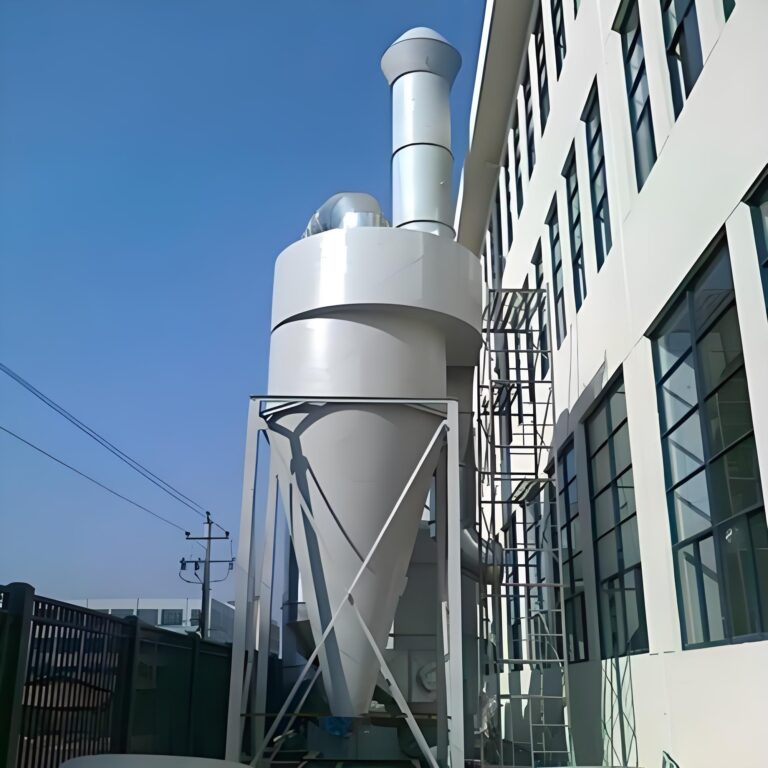
Viertens: Ziehen Sie eine integrierte Abfallbehandlung in Betracht, z. B. Zellenradschleusen und Schüttgutbehälter. Dies ist ein wachsendes Unterscheidungsmerkmal, das sich direkt auf die Arbeitskosten und Ausfallzeiten durch manuelle Entleerung auswirkt. Der Rahmen verlagert die Bewertung von reinen Luftstromspezifikationen auf eine Gesamtsystemlösung. Für Ingenieure, die bestimmte Modelle bewerten, ist die Prüfung detaillierter Industrie-Zyklon-Staubabscheider Spezifikationen ist ein notwendiger Schritt, um die technische Anpassung an diesen Entscheidungsrahmen zu bestätigen.
Kriterien für die Auswahl einbeziehen
In einem disziplinierten Auswahlverfahren werden mehrere, miteinander verbundene Kriterien abgewogen. In der folgenden Tabelle sind die wichtigsten Entscheidungsfaktoren und ihre wirtschaftlichen Auswirkungen aufgeführt, was einen letzten Validierungsschritt vor der Spezifikation darstellt.
Entscheidungsmatrix für die endgültige Auswahl
Durch eine systematische Bewertung der technischen, sicherheitstechnischen und betrieblichen Kriterien wird sichergestellt, dass der ausgewählte Zyklon eine langfristig tragfähige Lösung darstellt.
| Kriterien für die Entscheidung | Schlüsselfrage | Kommerzielle Erwägungen |
|---|---|---|
| Leistungsspiel | CFM/SP am Arbeitspunkt? | Vermeidet das Risiko der Unterdimensionierung |
| Zyklon-Effizienz | 99%-Vorbereitung? | Reduziert die Filter-TCO |
| Compliance-Bereitschaft | NFPA/UL für Material? | AHJ-Zulassung erforderlich |
| Abfallbehandlung | Integrierte Ventile/Trichter? | Verringert die Ausfallzeit der Arbeitskräfte |
| Grundlage der Auswahl | Vollständige Systemlösung | Langfristige betriebliche Effizienz |
Quelle: NFPA 654 (Ausgabe 2020). Diese Norm schreibt spezifische Konstruktions- und Sicherheitsanforderungen für Entstaubungsanlagen für brennbare Stäube vor und hat damit direkten Einfluss auf die Systemspezifikationen und die Überprüfung der Konformität, was ein entscheidender Faktor für die endgültige Auswahl ist.
Bei der genauen Auslegung von Zyklonen geht es nicht darum, den größten, sondern den am besten geeigneten Ventilator auszuwählen. Der Erfolg hängt von drei Prioritäten ab: Festlegung des genauen CFM- und statischen Druck-Betriebspunkts, Auswahl eines Geräts, bei dem dieser Punkt optimal auf der Ventilatorkurve liegt, und Überprüfung, ob der Wirkungsgrad und die Merkmale des Zyklons mit Ihren Gesamtbetriebskostenzielen übereinstimmen. Dieser methodische Ansatz verwandelt die Dimensionierung von einem Ratespiel in ein vorhersehbares technisches Ergebnis.
Benötigen Sie eine professionelle Überprüfung Ihres Systemdesigns oder Spezifikationen für eine Hochleistungszyklonlösung? Das Ingenieurteam von PORVOO kann anwendungsspezifische Analysen und detaillierte Leistungsdaten bereitstellen, um sicherzustellen, dass Ihr nächstes Projekt die Planungsziele erreicht. Für eine direkte Beratung können Sie auch Kontakt.
Häufig gestellte Fragen
F: Wie berechnet man die erforderliche CFM für eine Staubabsaughaube oder einen Maschinenanschluss?
A: Bestimmen Sie den an jeder Quelle benötigten Luftvolumenstrom nach der Formel CFM = Fläche (ft²) x Geschwindigkeit (FPM). Verwenden Sie für einfache Hauben eine Erfassungsgeschwindigkeit von 4000-4500 FPM. Für Standard-Maschinenanschlüsse sollten Sie sich an etablierten Werten wie 350-500 CFM für einen 4-Zoll-Anschluss oder 700-1000+ CFM für einen 6-Zoll-Anschluss orientieren. Das bedeutet, dass der erste Schritt zur Verbesserung der Erfassung die Vergrößerung restriktiver Anschlüsse sein sollte, da diese eine harte Durchflussgrenze schaffen, bevor ein größerer Kollektor in Betracht gezogen wird. Die ACGIH Handbuch Industrielle Belüftung liefert die grundlegenden Daten für diese Berechnungen.
F: Warum ist der statische Druck bei der Auswahl eines Zyklonlüfters wichtiger als die Motorleistung?
A: Der statische Druck (SP) definiert die Fähigkeit des Ventilators, den Systemwiderstand in Kanalsystem, Zyklon und Filter zu überwinden. Die Pferdestärke allein ist irreführend, da ein 5-PS-Gerät entweder für hohe CFM/niedrigen SP oder niedrige CFM/hohen SP ausgelegt sein kann. Sie müssen die Leistungskurve des Ventilators an Ihren berechneten Systemwiderstand bei der angestrebten CFM anpassen. Bei Projekten mit restriktiven Anschlüssen oder langen Kanälen sollten Sie Modelle mit höherer Druckkapazität (z. B. 14″-20″ WG) bevorzugen, um die erforderliche Erfassungsgeschwindigkeit aufrechtzuerhalten.
F: Was ist das Luft/Tuch-Verhältnis und wie wirkt es sich auf die Filterwartungskosten aus?
A: Das Luft-zu-Tuch-Verhältnis, berechnet als Gesamt-CFM des Systems ÷ Gesamtfläche des Filtermediums (ft²), bestimmt die Filterbelastung und die Reinigungshäufigkeit. Ein Verhältnis zwischen 3:1 und 4:1 ist typisch für allgemeinen Industriestaub. Ein höheres Verhältnis überlastet die Filter, was zu einem schnellen Druckabfall und häufiger Wartung führt. Daraus ergibt sich ein direkter Kompromiss: Die Investition in einen hocheffizienten Zyklon, der den 99% von Verunreinigungen vorabscheidet, verlängert die endgültige Lebensdauer des Filters und führt im Gegenzug zu höheren Anschaffungskosten zu erheblichen langfristigen Einsparungen bei Verbrauchsmaterialien und Ausfallzeiten.
F: Wie beeinflussen die betrieblichen Abläufe die CFM-Berechnung des Gesamtsystems?
A: Die von Ihnen benötigte Gesamt-CFM ist die Summe des Luftstroms für alle Staubquellen, die gleichzeitig arbeiten, nicht die Summe aller Maschinen. Ein Ein-Mann-Betrieb benötigt möglicherweise nur die Kapazität für sein größtes einzelnes Werkzeug, während eine automatisierte Fertigungsstraße die kombinierte CFM aller gleichzeitigen Vorgänge benötigt. Diese Einschätzung ist für die Navigation auf dem Markt von entscheidender Bedeutung, da nordamerikanische Staubsauger häufig für hohe CFM bei der Verwendung mehrerer Schleusen optimiert sind, während europäische Modelle auf hohe SP für restriktive Einzelpunkte abzielen. Wenn Ihre Hauptbeschränkung darin besteht, mehrere Werkzeuge gleichzeitig zu betreiben, sollten Sie Designs mit hohem CFM-Wert den Vorzug geben.
F: Auf welche Normen sollten wir uns bei der Auswahl von Filtern und bei der Sicherheit vor brennbarem Staub in unserer Konstruktion beziehen?
A: Für die Prüfung und Auswahl der Filtereffizienz, siehe ASHRAE 52.2-2017 für MERV-Einstufungen und ISO 16890-1:2016 für die PM-basierte Klassifizierung. Für Systeme, die brennbare Stäube handhaben, ist die Einhaltung der NFPA 654 (Ausgabe 2020) ist für die Gefährdungsbeurteilung und die Systemauslegung zur Vermeidung von Bränden oder Explosionen zwingend erforderlich. Das bedeutet, dass Ihr Entwicklungsteam diese Normen frühzeitig berücksichtigen muss, um sicherzustellen, dass die ausgewählten Komponenten sowohl die Leistungs- als auch die Sicherheitsanforderungen für Ihr spezifisches Material erfüllen.
F: Wie können wir die Leistung eines bestehenden Entstaubungssystems verbessern, ohne das gesamte Kanalsystem auszutauschen?
A: Die effektivste Nachrüstung ist oft die Aufrüstung des Kollektorlüfters auf eine Konstruktion mit hohem statischen Druck. Da der statische Druckverlust mit dem Quadrat der CFM ansteigt, kann ein Ventilator, der einen höheren Druck liefert, den Widerstand von unterdimensionierten oder restriktiven Kanälen überwinden und so den richtigen Luftstrom wiederherstellen. Diese gezielte Investition nutzt die Beziehung zwischen den Systemkurven und macht den erhöhten statischen Druck zum wichtigsten Hebel für die Wiederbelebung älterer Anlagen ohne eine vollständige Systemüberholung.
F: Welcher häufige Fehler führt dazu, dass ein Zyklonstaubsammler trotz ausreichender Leistung unterdimensioniert ist?
A: Der kritische Fehler besteht darin, ein Gerät auf der Grundlage von Spitzen-CFM oder -Leistung auszuwählen und dabei den statischen Druck im Verhältnis zum berechneten Widerstand Ihres Systems außer Acht zu lassen. Ein Kollektor kann eine hohe Leistung haben, aber eine Ventilatorkennlinie, die für Anwendungen mit niedrigem Druck und hohem Volumen ausgelegt ist, so dass er nicht in der Lage ist, die Geschwindigkeit durch restriktive Öffnungen oder Rohrleitungen aufrechtzuerhalten. Das bedeutet, dass Sie immer die gesamte Wechselwirkung zwischen der Leistungskurve des Ventilators und dem einzigartigen Widerstandsprofil Ihres Systems analysieren müssen, nicht nur einzelne Spezifikationen.