في بيئات التصنيع والمعالجة الديناميكية، تعتبر الجسيمات المحمولة في الهواء أكثر من مجرد مصدر إزعاج. فهي تمثل تهديدًا مباشرًا لصحة العمال، وطول عمر المعدات، والامتثال التنظيمي. والمفهوم الخاطئ الشائع هو أن أي جامع غبار متنقل سيكون كافيًا، مما يؤدي إلى الإفراط في الإنفاق المكلف أو الحماية الناقصة الخطيرة. ويكمن التحدي الحقيقي في مطابقة نظام متنقل عالي التقنية مع ملوثات وسير عمل محدد، وهو قرار ينطوي على ثقل مالي وقانوني كبير.
يعد هذا القرار حاسمًا الآن بسبب تشديد حدود التعرض المهني والتركيز بشكل أكبر على مخاطر الغبار القابل للاحتراق. لقد تطورت إدارة جودة الهواء من التدبير المنزلي العام إلى عنصر أساسي في استراتيجية الصحة والسلامة البيئية (EHS). لم يعد اختيار مجمّع الغبار الصناعي المحمول المناسب عملية شراء تفاعلية بل استثمارًا استراتيجيًا في السلامة والكفاءة التشغيلية.
ما هو جامع الغبار الصناعي المحمول؟
تحديد الحل المتنقل
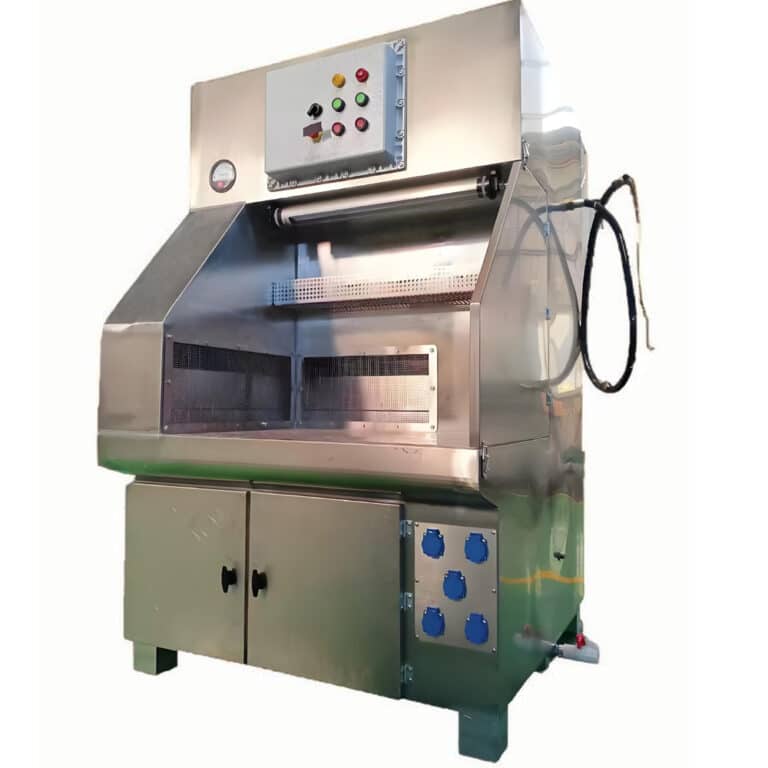
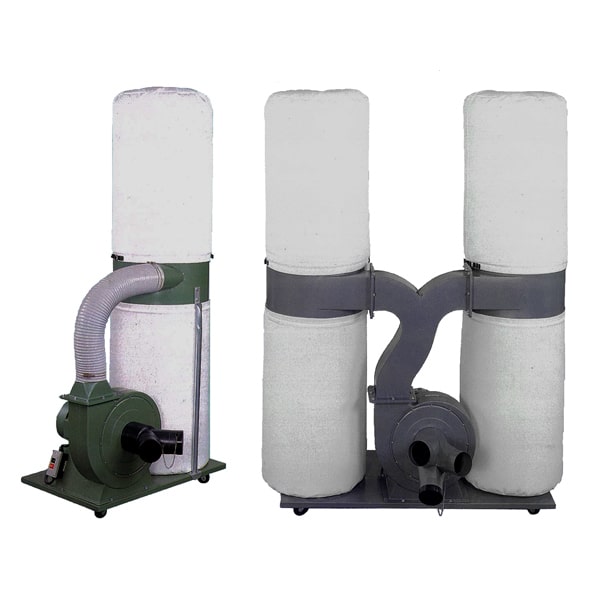
مجمّع الغبار الصناعي المحمول عبارة عن وحدة تنقية هواء متنقلة قائمة بذاتها ومصممة لالتقاط المصدر. وتتمثل وظيفته الأساسية في حماية الأفراد والعمليات عن طريق إزالة الغبار والأبخرة الخطرة مباشرةً عند نقطة توليدها. وخلافًا للأنظمة المركزية الثابتة، فإن السمة المميزة لها هي قابلية التنقل، التي تسهلها العجلات الصناعية أو حوامل المقطورات. يسمح ذلك بالنشر عبر محطات عمل متعددة، أو مشاريع مؤقتة، أو مرافق ذات تخطيطات متطورة، مما يوفر تحكمًا مستهدفًا في جودة الهواء حيثما تكون شبكات مجاري الهواء الدائمة غير عملية.
التقسيم الحرج للسوق
ينقسم السوق بشكل حاد بين الوحدات منخفضة التكلفة لحطام الورش العامة والأنظمة عالية الأداء للملوثات الخطرة الخاضعة للتنظيم. ويملي هذا التمييز كل قرار تقني ومالي لاحق. فاختيار وحدة للخدمة العامة لعملية اللحام التي تولد الكروم سداسي التكافؤ، على سبيل المثال، يخاطر بفشل الامتثال الكارثي والتزامات سلامة العمال. وعلى العكس من ذلك، فإن نشر وحدة HEPA مجهزة بخاصية HEPA ومقاومة للانفجار لصنفرة الأخشاب يمثل إنفاقًا ماليًا زائدًا للغاية. الخطوة الأولى هي دائمًا تصنيف مستوى خطر الملوث بدقة.
القيمة التشغيلية والاستراتيجية
تمتد القيمة الاستراتيجية إلى ما هو أبعد من التنقل. حيث تتيح هذه الوحدات الاستجابات السريعة لعمليات الدفعات أو مهام الصيانة أو خطوط الإنتاج التجريبية. ومن واقع خبرتي في تقديم الاستشارات مع المنشآت، فإن أنجح التطبيقات تتعامل مع أجهزة التجميع المحمولة كأصول مرنة ضمن خطة رئيسية لجودة الهواء، وليس كأدوات معزولة. هذا المنظور يمنع عمليات الشراء التفاعلية المجزأة ويعزز الاستثمارات في الأنظمة القابلة للتشغيل البيني التي يمكن إعادة نشرها مع تغير الاحتياجات التشغيلية، مما يزيد من الاستفادة من رأس المال.
المكونات الأساسية وكيفية عملها
النظام الفرعي لحركة الهواء
يبدأ الأداء بالمروحة ومجموعة المحرك، التي تخلق الضغط السلبي اللازم (التفريغ) لالتقاط الهواء الملوث. يتم قياس هذا النظام الفرعي بمقياسين رئيسيين: تدفق الهواء (CFM) والضغط الساكن. يجب أن يكون CFM كافيًا لتصميم غطاء المحرك والمسافة من المصدر، بينما يجب أن يتغلب الضغط الساكن على مقاومة الأنابيب والمرشحات والمكونات الأخرى. ستفشل حزمة محرك المروحة-المحرك ذات الحجم الصغير في احتواء الملوثات، بغض النظر عن جودة المرشح.
التسلسل الهرمي للترشيح متعدد المراحل
عادةً ما يكون الترشيح عملية متعددة المراحل. يلتقط الفاصل الأولي أو مانع الشرر الحطام الكبير ويمنع مصادر الاشتعال من الوصول إلى المرشحات الرئيسية. أما العمود الفقري الأساسي فهو مرشح الخرطوشة، وغالبًا ما يكون مطويًا لزيادة مساحة السطح إلى أقصى حد. يمكن أن تحقق هذه المرشحات كفاءة تصل إلى 99.9% على جسيمات صغيرة تصل إلى 0.3 ميكرون. بالنسبة للسموم أو الروائح فائقة الدقة، توفر المرشحات الاختيارية للسلامة اللاحقة مثل HEPA أو وحدات الكربون المنشط تلميعًا في المرحلة النهائية. ويتحدد اختيار وسائط الترشيح - الألياف النانوية ومثبطات الحريق وما إلى ذلك - بالكامل حسب خصائص الغبار.
الآليات التي تعتمد على الصيانة
هناك آليتان تؤثران بشكل حاسم على التكلفة والأداء على المدى الطويل: نظام تنظيف المرشح والتخلص من الغبار. تعد الأنظمة النفاثة ذات النبضات العكسية النفاثة أو أنظمة الهزاز الميكانيكية القياسية شائعة، ولكن يمكن للتقنيات الخاصة مثل المنظفات ذات العصا الدوارة أن تطيل عمر المرشح بشكل كبير. يقلل العمر الأطول للمرشح بشكل مباشر من أكبر تكلفة تشغيلية متكررة. يتم ترسيب الغبار الملتقط في درج أو أسطوانة مدمجة، بينما يتيح ذراع الدخان المرن والمفصلي تحديد موضع المصدر بدقة. تحدد كفاءة هذه المكونات كفاءة هذه المكونات العبء التشغيلي للنظام.
المواصفات الفنية الرئيسية للاختيار
معلمات الأداء: حركة التيار المتردد والترشيح
يتطلب اختيار الوحدة الصحيحة مطابقة المواصفات الفنية للتطبيق بدقة. إن تدفق الهواء (CFM) والضغط الساكن هما معلمات الأداء الأساسية، التي يحددها تصميم غطاء المحرك وطول مجرى الهواء. تعتبر كفاءة الترشيح واختيار الوسائط أمرًا بالغ الأهمية وتستند إلى نوع الغبار - سواء كان كاشطًا أو قابلًا للاحتراق أو سمًا خاضعًا للتنظيم. قد يكون مرشح MERV 15 كافيًا للغبار المزعج، في حين أن الدخان المعدني السام يتطلب مرشح HEPA بعد اختباره وفقًا لمعايير مثل الأيزو 29463-1 ISO 29463-1.
معوقات البنية التحتية والتنقل
يحدد مصدر الطاقة المرونة التشغيلية ويفرض قيودًا على البنية التحتية. تتراوح الاختيارات من 115 فولت أحادي الطور القياسي أحادي الطور للاستخدام مع التوصيل والتشغيل إلى 480 فولت ثلاثي الطور للمحلات الصناعية، أو حتى البنزين/الديزل للمواقع البعيدة. التنقل المادي هو طيف، من الوحدات المدمجة على عجلات لإعادة التموضع اليومي إلى الأنظمة الكبيرة المثبتة على مقطورة للعمل القائم على المشروع. تعد مطابقة هذا التنقل مع تردد سير العمل الفعلي أمرًا ضروريًا لتحقيق قيمة الوحدة.
يوضح الجدول التالي المعايير الفنية الأساسية التي يجب تقييمها أثناء عملية الاختيار.
| المعلمة | النطاق/القيمة النموذجية | الاعتبارات الرئيسية |
|---|---|---|
| تدفق الهواء (CFM) | 500 - 5000+ قدم مكعب في المتر المكعب | مسافة غطاء المحرك وتصميمه |
| الضغط الساكن | يختلف باختلاف النظام | التغلب على مقاومة القناة |
| كفاءة الترشيح | ما يصل إلى 99.9% @ 0.3 ميكرومتر | استنادًا إلى خطر الغبار |
| وسائط الترشيح | MERV 15، ألياف النانو | حجم الجسيمات ونوعها |
| مصدر الطاقة | من 115 فولت إلى 460 فولت 3 مراحل 115 فولت إلى 460 فولت | البنية التحتية للمرافق |
| التنقل | عجلات لمقطورة مثبتة على مقطورة | احتياجات نقل مكان العمل |
المصدر: ANSI/ASHRAE 52.2 طريقة اختبار أجهزة تنظيف الهواء العامة للتهوية. وتوفر هذه المواصفة القياسية منهجية الاختبار لتحديد كفاءة إزالة حجم الجسيمات (تصنيف MERV) للمرشحات، وهو أمر بالغ الأهمية لتحديد وسائط الترشيح الصحيحة والكفاءة في الجدول.
التطبيقات وحالات الاستخدام الأساسية
احتواء المخاطر الحرجة
تؤدي مجمعات الغبار المحمولة أدوارًا غير قابلة للتفاوض في التطبيقات الخطرة. في اللحام وتصنيع المعادن، يجب أن تشتمل على مانع شرارة وغالبًا ما تكون مرشحات ما بعد HEPA لالتقاط الكروم سداسي التكافؤ، وهو مادة مسرطنة معروفة. ولطحن وتشطيب المعادن أو المواد المركبة، فإنها تتحكم في الغبار الكاشطة والقابلة للاحتراق في كثير من الأحيان. أما في مناولة المساحيق للأغذية أو المستحضرات الصيدلانية، فإنها تمنع التلوث التبادلي وتحمي نقاء المنتج. يملي كل تطبيق مجموعة فريدة من ميزات الترشيح والسلامة.
تمكين مرونة العملية
هذه الوحدات مثالية لعمليات الدُفعات أو الخطوط التجريبية أو أنشطة الصيانة حيث لا يوجد ما يبرر وجود مجاري هواء دائمة. فهي توفر حلاً متوافقًا مع جودة الهواء للعمليات المؤقتة أو منخفضة الحجم دون استثمار كبير في البنية التحتية. هذه المرونة هي سبب وجودها بشكل شائع في ورش العمل وأقسام البحث والتطوير وفرق الخدمة داخل المصنع التي تعالج مصادر الانبعاثات المتقطعة في منشأة كبيرة.
الاتجاه نحو الأنظمة المتكاملة
يتجه السوق نحو الإدارة المتكاملة والمتعددة العمليات للهواء. تقدم الشركات المصنعة الرائدة الآن حلولاً شاملة قد تجمع بين استخلاص الدخان، وجمع الضباب، وطاولات السحب لأسفل في استراتيجية متماسكة. يؤكد هذا الاتجاه على أهمية وضع خطة لجودة الهواء على مستوى المنشأة. فالاستثمارات الاستراتيجية القابلة للتشغيل البيني تحمي العمليات في المستقبل وتوفر قيمة أكبر من عمليات الشراء التفاعلية أحادية النقطة. كما يتيح سوق التأجير المتنامي لأنظمة الانزلاق المعيارية مزيدًا من المرونة في التوسع السريع للعمل القائم على المشاريع.
معايير الامتثال والسلامة والمعايير التنظيمية
الإطار التنظيمي
تم تصميم مجمعات الغبار المحمولة لمساعدة المنشآت على تلبية المتطلبات القانونية الصارمة. تشمل الأطر الرئيسية حدود التعرض المسموح بها من إدارة السلامة والصحة المهنية (OSHA) لملوثات محددة، والتي تملي كفاءة الترشيح المطلوبة. المعيار NFPA 652 الخاص بأساسيات الغبار القابل للاحتراق تحليل مخاطر الغبار (DHA) وغالبًا ما تتطلب ميزات مقاومة للانفجار في المجمعات. يمكن أن تؤثر قواعد وكالة حماية البيئة الأمريكية على اختيار المرشح إذا تم التعامل مع الغبار المجمع على أنه انبعاث منظم.
التحول إلى المكافحة الخاصة بالسموم
ومن التطورات المهمة التحول من التقاط الجسيمات العامة إلى احتواء السموم المحددة. ويُعد التركيز على مرشحات HEPA اللاحقة للكروم سداسي التكافؤ مثالاً بارزًا على ذلك. ويعني هذا التحول أن جمع الغبار أصبح الآن مكونًا أساسيًا في برامج البيئة والصحة والسلامة البيئية، وليس مجرد أداة للتدبير المنزلي. وبالتالي، يجب أن يتعاون موظفو البيئة والصحة والسلامة والبيئة بشكل مباشر مع موظفي المشتريات والهندسة لتحديد الوحدات، حيث أن المتطلبات الفنية مدفوعة بشكل متزايد بحدود التعرض للمواد الكيميائية المحددة بدلاً من النظافة العامة.
يلخص الجدول أدناه الأطر التنظيمية الأساسية التي تؤثر على تصميم مجمعات الغبار المحمولة وتشغيلها.
| الإطار التنظيمي | التركيز الأساسي | التأثير على تصميم المجمع |
|---|---|---|
| مستويات التأثير البيئي المتوقعة لمستويات التأثير البيئي الخاصة بإدارة السلامة والصحة المهنية | حدود تعرض العمال | يحدد كفاءة الترشيح المطلوبة |
| NFPA 652 | مخاطر الغبار القابل للاحتراق | يفرض ميزات مقاومة للانفجار |
| قواعد انبعاثات وكالة حماية البيئة | التصريف البيئي | التأثيرات اختيار المرشح |
| قواعد الكروم سداسي التكافؤ | احتواء السموم المحددة | تتطلب مرشحات HEPA اللاحقة |
| برامج البيئة والصحة والسلامة العامة | الامتثال الشامل للسلامة | يقود التعاون في المواصفات |
المصدر: المعيار NFPA 652 الخاص بأساسيات الغبار القابل للاحتراق. تنص هذه المواصفة القياسية مباشرةً على تحليل مخاطر الغبار (DHA) وتدابير السلامة التي تملي تصميم وموقع مجمعات الغبار المحمولة عند استخدامها للجسيمات الصلبة القابلة للاحتراق.
أفضل الممارسات التشغيلية والصيانة
الممارسات الأساسية للفعالية
يبدأ التشغيل الفعال بالتموضع الأمثل. يجب وضع غطاء الالتقاط في أقرب مكان ممكن من مصدر الانبعاثات دون تعطيل العملية - فكل بوصة من المسافة تقلل بشكل كبير من كفاءة الالتقاط. المراقبة المنتظمة للمرشح عن طريق مقياس الضغط التفاضلي (المغنهيلي) أمر غير قابل للتفاوض. يشير ارتفاع الضغط الساكن إلى وجود مرشح تحميل يتطلب التنظيف أو الاستبدال. ويضمن الالتزام بروتين الصيانة المجدولة لتفريغ أدراج التجميع وفحص الأنظمة الميكانيكية الموثوقية والامتثال المستدام.
حدود الصيانة القائمة على البيانات
تتضمن حدود الأداء التالية تكامل البيانات. في حين توفر الوحدات الحالية بيانات الضغط والمؤقت الأساسية، فإن الصناعة تتجه نحو اتصال إنترنت الأشياء وخوارزميات الصيانة التنبؤية. يمكن للاستثمار في بنية نظام جاهز للاستشعار الآن أن يواكب العمليات المستقبلية. تتيح هذه الإمكانيات إمكانية إجراء تغييرات تنبؤية للمرشحات بناءً على الحمل الفعلي، وليس فقط الوقت، وتسهيل إعداد تقارير الامتثال الآلية القابلة للتدقيق. يؤدي ذلك إلى تحويل الصيانة من مركز تكلفة تفاعلي إلى عملية محسّنة تعتمد على البيانات.
تعتبر أفضل الممارسات التالية ضرورية للحفاظ على أداء النظام وطول عمره.
| الممارسة | القياس/الأداة | التردد/الإجراء |
|---|---|---|
| التموضع الأمثل | قرب غطاء المحرك من المصدر | تقليل مسافة الالتقاط إلى الحد الأدنى |
| مراقبة التصفية | مقياس الضغط التفاضلي | تحقق من ارتفاع الضغط |
| صيانة المرشحات | التنظيف أو الاستبدال | لكل قراءة/جدول زمني للقياس |
| تفريغ المجموعة | فحص الدرج/الأسطوانة | الروتين المجدول |
| فحص النظام | الفحوصات الميكانيكية والكهربائية | الصيانة الوقائية |
| الاتجاه المستقبلي | خوارزميات إنترنت الأشياء والخوارزميات التنبؤية | تمكين الصيانة التنبؤية |
المصدر: الوثائق الفنية والمواصفات الصناعية.
التكلفة الإجمالية للملكية واعتبارات العائد على الاستثمار
تحليل التكلفة الحقيقية
يتطلب تقييم جهاز تجميع الغبار المحمول تحليلاً شاملاً للتكلفة الإجمالية للملكية (TCO) الذي يعطي الأولوية للتكاليف طويلة الأجل على سعر الشراء الأولي. أكبر تكلفة متكررة هي دائمًا استبدال المرشح. لذلك، تصبح كفاءة آلية تنظيف الفلتر والعمر الافتراضي لوسائط الفلتر هي المحرك المالي الأساسي. قد تحمل الوحدة المزودة بنظام تنظيف خاص يطيل عمر الفلتر من ست إلى سبع مرات تكلفة أولية أعلى ولكنها ستوفر تكلفة تكلفة إجمالية للملكية أقل بكثير على مدى خمس سنوات.
الميزانية الشاملة والتبرير الشامل
يجب أن تشتمل الميزانية الشاملة على الملحقات الضرورية - أذرع الالتقاط المتخصصة، وموانع الشرر، ومرشحات السلامة المحددة - والتي غالبًا ما تباع بشكل منفصل ولكنها ضرورية للأداء السليم. يؤدي إغفالها إلى تكاليف غير متوقعة ونقص في الأداء. يمتد تبرير العائد على الاستثمار إلى ما هو أبعد من التكاليف المباشرة. فهو يشمل انخفاض الغرامات التنظيمية، وانخفاض التزامات الرعاية الصحية والتأمين، وتحسين عمر المعدات النهائية، وتعزيز إنتاجية العمال بسبب البيئة الأنظف والأكثر أمانًا. تتضافر هذه العوامل لتخلق حالة عمل مقنعة للاستثمار في الجودة.
يفصل هذا الجدول فئات التكلفة الرئيسية ومحركات عائد الاستثمار في تحليل التكلفة الإجمالية للملكية.
| فئة التكلفة | الوصف | السائق الرئيسي |
|---|---|---|
| أكبر تكلفة متكررة | استبدال المرشح | عمر الفلتر وآلية التنظيف |
| التكلفة المقدمة | سعر شراء الوحدة | غالبًا ما تكون ثانوية بالنسبة للملكية الفكرية |
| التكاليف الإضافية | أذرع الالتقاط، مانعات الشرر | ضروري للأداء |
| عوامل عائد الاستثمار | تقليل المخاطر التنظيمية | تجنب الغرامات والالتزامات |
| عوامل عائد الاستثمار | انخفاض التزامات الرعاية الصحية | يحسن سلامة العمال |
| عوامل عائد الاستثمار | تعزيز الإنتاجية | وقت تعطل أقل، ومخرجات أفضل |
ملاحظة: يمكن لأنظمة تنظيف الفلاتر المسجلة الملكية أن تطيل عمر الفلتر 6-7 مرات، مما يقلل بشكل كبير من التكلفة الإجمالية للملكية على الرغم من ارتفاع التكلفة الأولية.
المصدر: الوثائق الفنية والمواصفات الصناعية.
كيفية اختيار الطراز المناسب لمنشأتك
عملية الاختيار المنهجي
اختيار النموذج الصحيح هو عملية منضبطة من أربع خطوات. أولاً، تحديد الملوث بدقة: التركيب الكيميائي والسمية والانفجار وتوزيع حجم الجسيمات. تحدد هذه الخطوة وحدها كفاءة الترشيح المطلوبة وخصائص السلامة الأساسية. ثانيًا، إجراء تدقيق للبنية التحتية للموقع: توثيق الطاقة المتاحة (الجهد، الطور، التيار الكهربائي)، وقيود المساحة المادية، والتكرار الحقيقي للتنقل المطلوب. تحتاج الوحدة المخصصة للتحركات اليومية إلى عجلات قوية وبصمة مدمجة.
تقييم الموردين وتخفيف المخاطر
ثالثًا، قم بإجراء تحليل مفصل للملكية الإجمالية للمعدات مع التركيز على تكلفة الفلتر وفترات الاستبدال المتوقعة. وأخيرًا، قم بتقييم موثوقية المورد. ضع في اعتبارك المهل الزمنية للمرشحات المتخصصة - والتي يمكن أن تضيف ثلاثة أسابيع أو أكثر إلى وقت التعطل - ونموذج الدعم. يمثل المورد الذي لديه مخزون قطع الغيار والدعم الفني في الولايات المتحدة مخاطر تشغيلية أقل من المورد الذي يتطلب الاتصال المباشر بالمصنع في الخارج. يضمن هذا النهج المنظم أن الوحدة المختارة توفر أداءً فعالاً ومتوافقاً واقتصادياً لسنوات. بالنسبة للمنشآت التي تقوم بتقييم طرازات محددة، فإن مراجعة المواصفات التفصيلية لـ وحدة تجميع الغبار الصناعية المحمولة خطوة ضرورية في مرحلة التحقق النهائية هذه.
ويتوقف القرار على مواءمة القدرة التقنية مع مخاطر محددة، وليس على الميزات العامة. أعط الأولوية لتقنية الترشيح وشهادات السلامة على المواصفات الإضافية. تأكد من أن سير العمل التشغيلي يبرر مستوى التنقل الذي تختاره. والأهم من ذلك، ضع التبرير المالي على أساس التكلفة الإجمالية للملكية لمدة خمس سنوات، وليس سعر الشراء الأولي. يحول هذا الإطار عملية الشراء المعقدة إلى عملية معقدة وقائمة على الأدلة يمكن التحكم فيها.
هل تحتاج إلى إرشادات احترافية للتنقل بين هذه المواصفات وإيجاد الحل المناسب لتحدياتك الفريدة؟ الفريق الهندسي في بورفو مساعدتك في إجراء تقييم خاص بالموقع ووضع استراتيجية متوافقة وفعالة من حيث التكلفة لجودة الهواء. للحصول على استشارة مباشرة، يمكنك أيضًا اتصل بنا.
الأسئلة المتداولة
س: كيف يمكنك اختيار تقنية الترشيح المناسبة لمجمع الغبار المحمول الذي يتعامل مع الغبار القابل للاحتراق؟
ج: بالنسبة للغبار القابل للاشتعال، يجب أن تكون معايير الاختيار الأساسية الخاصة بك هي الامتثال لما يلي المعيار NFPA 652 الخاص بأساسيات الغبار القابل للاحتراق, الذي يفرض إجراء تحليل لمخاطر الغبار. وهذا يملي الحاجة إلى بنية مقاومة للانفجار، ومنع الشرر، ووسائط الترشيح المقاومة للحريق. وهذا يعني أن منشآت معالجة الأخشاب أو المعادن أو المساحيق الكيميائية يجب أن تعطي الأولوية لخصائص السلامة هذه على مواصفات الترشيح الأساسية للتخفيف من مخاطر الحرائق والانفجارات الكارثية.
س: ما هي المواصفات الفنية الأكثر أهمية التي يجب مطابقتها عند اختيار مجمّع الغبار المحمول لأبخرة اللحام؟
ج: تتمثل المواصفات الأكثر أهمية في الضغط الساكن الكافي لالتقاط المصدر الفعال من خلال ذراع الدخان ونظام ترشيح مصمم للجسيمات المعدنية السامة. ويتطلب ذلك مرشحًا أوليًا بكفاءة عالية على الجسيمات دون الميكرون ومرشحًا إلزاميًا بعد ذلك من نوع HEPA لالتقاط العناصر الخطرة مثل الكروم سداسي التكافؤ، وهو ما تم التحقق من صحته بمعايير مثل ISO 29463-1 المرشحات عالية الكفاءة ووسائط الترشيح لإزالة الجسيمات. إذا كانت العملية الخاصة بك تتضمن الفولاذ المقاوم للصدأ أو السبائك المتخصصة، فخطط لوحدة مزودة بهذا الترشيح ثنائي المراحل لتلبية معايير مستوى التعرض للضرر الصارمة لإدارة السلامة والصحة المهنية.
س: لماذا تعتبر التكلفة الإجمالية للملكية (TCO) أكثر أهمية من سعر الشراء لمجمع الغبار المحمول؟
ج: يعطي التكلفة الإجمالية للملكية الأولوية للنفقات التشغيلية طويلة الأجل، حيث يكون استبدال الفلتر هو أكبر تكلفة متكررة. يمكن للوحدة المزوّدة بآلية تنظيف خاصة تطيل عمر الفلتر أن يكون لها تكلفة إجمالية للملكية أقل بكثير من الطراز الأرخص مع تغييرات متكررة ومكلفة للفلتر. هذا يعني أنه يجب عليك تحليل تكلفة الفلتر والعمر المتوقع وكفاءة التنظيف أولاً، حيث يؤثر هذا النموذج المالي بشكل مباشر على ميزانية الصيانة السنوية ووقت تشغيل النظام.
س: كيف يجب علينا تقييم تدفق الهواء المطلوب (CFM) لتطبيق مجمع الغبار المحمول الجديد؟
ج: تعتمد وحدة CFM المطلوبة على تصميم غطاء الالتقاط ومسافته من نقطة الانبعاثات؛ المسافة الأكبر أو غطاء مفتوح يتطلب تدفق هواء أعلى. يجب حساب ذلك بناءً على العملية المحددة وسرعة الالتقاط المطلوبة عند المصدر. بالنسبة للمشروعات التي يخدم فيها المجمع نقاطًا متعددة أو متحركة، توقع أن يكون الحجم لأسوأ سيناريو أو اختر وحدة ذات سرعة مروحة قابلة للتعديل لتحسين استخدام الطاقة في المهام المختلفة.
س: ما هي معوقات البنية التحتية التي غالبًا ما يتم تجاهلها عند نشر مجمّع الغبار المحمول؟
ج: تتمثل الرقابة الأكثر شيوعًا في مصدر الطاقة المتاح، والذي يفرض مرونة تشغيلية. وتتراوح الخيارات من منافذ الورش القياسية 115 فولت إلى المولدات ثلاثية الطور بجهد 460 فولت أو مولدات الديزل، ويفرض كل منها متطلبات تركيب مختلفة وحدودًا مختلفة للتنقل. إذا كانت عمليتك تتطلب تغيير موضعها يوميًا عبر المنشأة، فخطط لوحدة متوافقة مع الفولتية الشائعة للمنافذ لتجنب الترقيات الكهربائية المكلفة في كل موقع جديد.
س: كيف يمكن للبيانات التشغيلية من جامع الغبار تحسين الصيانة والامتثال؟
ج: تشير مراقبة مقياس الضغط التفاضلي إلى تحميل الفلتر، مما يشير إلى الحاجة إلى التنظيف. يتضمن التطور التالي اتصال إنترنت الأشياء، حيث تتيح بيانات المستشعرات خوارزميات الصيانة التنبؤية وإعداد تقارير الامتثال الآلي. وهذا يعني أن الاستثمار في بنية جاهزة للاستشعار الآن يمكن أن يقي عملياتك في المستقبل، مما يقلل من وقت التوقف غير المخطط له وإنشاء سجلات قابلة للتدقيق لبرامج البيئة والصحة والسلامة المهنية.
س: ما هو الفرق الرئيسي بين مجمّع الغبار في الورشة العامة ونظام للملوثات الخاضعة للتنظيم؟
ج: الفرق الرئيسي هو كفاءة الترشيح وشهادات السلامة المطلوبة لسموم معينة. قد تستخدم الوحدة العامة مرشح خرطوشة قياسي، في حين أن النظام الخاص بالمعادن الخاضعة للتنظيم مثل الكروم سداسي التكافؤ يجب أن يتضمن مرشح HEPA بعد الترشيح، والذي تم اختباره وفقًا لمعايير مثل ANSI/ASHRAE 52.2 طريقة اختبار أجهزة تنظيف الهواء العامة للتهوية. ويعني هذا التمييز أن اختيار القطاع الخاطئ يعني المخاطرة بعدم الامتثال التنظيمي والتزامات صحة العمال.