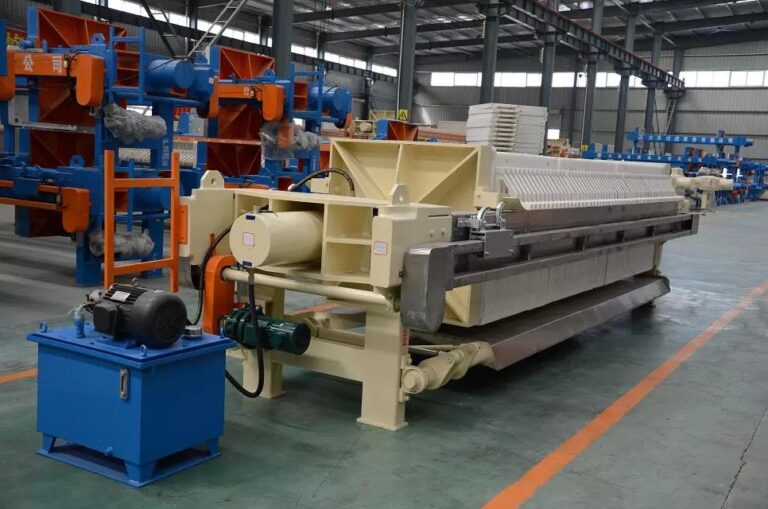
بالنسبة لمديري المصانع ومهندسي العمليات، فإن الاختيار بين مكبس الترشيح الغشائي ومكبس الترشيح الغشائي هو قرار رأسمالي حاسم له عواقب تشغيلية على مدى عقود. الاعتقاد الخاطئ الشائع هو أن القرار يتعلق فقط بتحقيق كعكة أكثر جفافًا. في الواقع، إنها مفاضلة استراتيجية بين النفقات الرأسمالية المقدمة والتكلفة الإجمالية للملكية على المدى الطويل، حيث تكون تكاليف الإنتاجية والعمالة والتخلص هي المحركات المالية الحقيقية.
يعد هذا التقييم ضروريًا الآن حيث تواجه الصناعات تشديد اللوائح التنظيمية المتعلقة بالتخلص من النفايات وتصاعد تكاليف الطمر والنقل. يمكن أن يؤدي اختيار التكنولوجيا الخاطئة إلى تقييد المصنع في نفقات تشغيل أعلى، أو انخفاض السعة، أو عدم القدرة على معالجة تدفقات الحمأة المتغيرة، مما يؤثر بشكل مباشر على الربحية والامتثال.
الغشاء مقابل مكبس الترشيح بالغرفة: الفرق الوظيفي الأساسي
الفجوة المعمارية
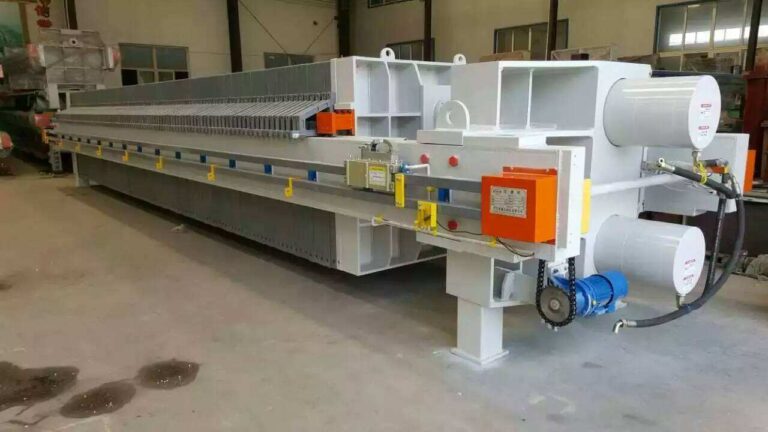
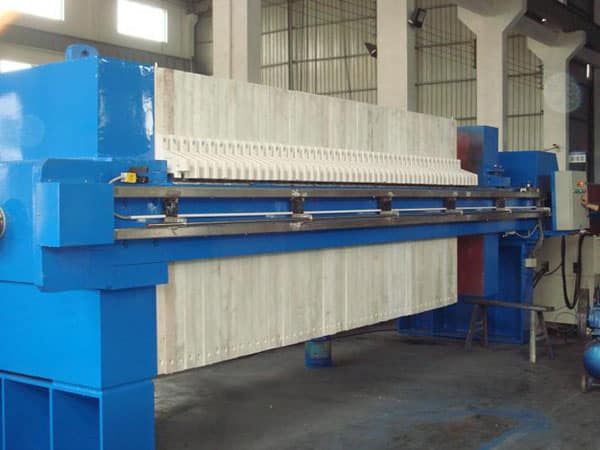
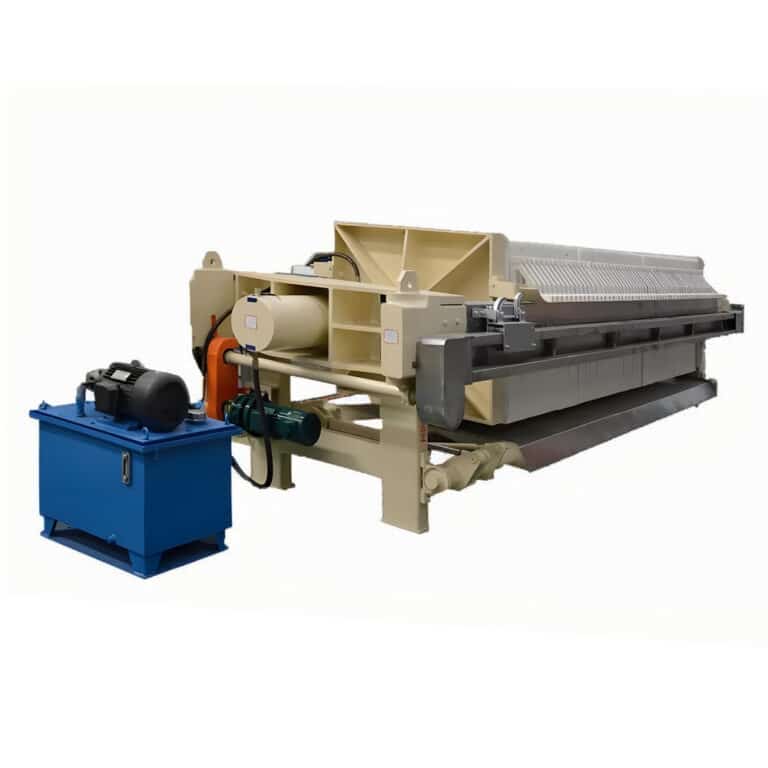
يكمن الاختلاف الأساسي في تصميم الألواح. تستخدم مكابس الترشيح الحجرية ألواحًا صلبة غائرة تشكل تجاويف ثابتة الحجم. ويعتمد الترشيح ونزع الماء بالكامل على الضغط الذي تولده مضخة التغذية، والتي تعمل عادةً بين 7-15 بار. وتكون العملية سلبية بمجرد ملء الغرف.
الضغط النشط مقابل الضغط السلبي
يشتمل مكبس الترشيح الغشائي على غشاء مرن على كل صفيحة. بعد دورة الترشيح الأولية التي تغذيها المضخة، يتم نفخ هذا الغشاء بماء أو هواء عالي الضغط (15-30 بار)، مما يؤدي إلى ضغط ميكانيكي ثانوي وموحد على سطح الكعكة بالكامل. مرحلة الضغط النشط هذه هي القدرة المميزة الغائبة في مكابس الغرف القياسية.
طيف الحلول القابلة للتهيئة
هذا الاختلاف الأساسي يخلق مجموعة من الحلول. وإلى جانب الخيار الثنائي، توجد اختلافات، مثل أنظمة التغذية في الزاوية مقابل أنظمة التغذية المركزية ومواد الأغشية المتخصصة، مما يسمح بتكييف التكنولوجيا لتناسب تطبيقات صناعية محددة، من التعدين إلى المعالجة الكيميائية.
مقارنة التكاليف الرأسمالية والتشغيلية: تفاصيل التكلفة الإجمالية للملكية
تحليل الاستثمار مقدماً
تختلف هياكل التكلفة الرأسمالية اختلافًا حادًا. تقدم مكابس الغرف استثمارًا أوليًا أقل بسبب بساطتها وقوتها في البناء مع عدم وجود أجزاء متحركة داخل الألواح. أما المكابس الغشائية فتتطلب تكلفة أعلى لتجميعات الألواح المعقدة، والأنظمة الهيدروليكية أو الهوائية عالية الضغط، ومنطق التحكم المتقدم المطلوب للدورة متعددة المراحل.
الحزمة الاستراتيجية المختلطة الاستراتيجية
أحد الخيارات الهامة التي غالبًا ما يتم تجاهلها هو تكوين “الحزمة المختلطة”. من خلال تبديل الألواح الغشائية مع الألواح الغشائية القياسية الغائرة، يمكن للمصانع تحقيق جزء كبير من فوائد الأداء - خاصة في تقليل زمن الدورة - بتكلفة أقل من 30-40% من كومة ألواح غشائية كاملة. هذا النهج الهجين هو أحد الاعتبارات الرئيسية لهندسة القيمة.
حقائق الصيانة طويلة الأجل
تتباين تكاليف التشغيل أيضًا. تتميز مكابس الغرف عمومًا بمتطلبات صيانة أقل على المدى الطويل بسبب بساطتها. أما بالنسبة للمكابس الغشائية، فإن تعقيد الصيانة وتكلفتها يحددها تصميم الغشاء. فالاختيار بين الألواح الملحومة (التي تتطلب استبدال لوحة كاملة باهظة الثمن) والأنظمة ذات الأغشية القابلة للإزالة (مما يسمح باستبدال المثانة فقط بتكلفة أرخص) يشكل مباشرةً الميزانيات التشغيلية ومخاطر التوقف عن العمل.
يفصل الجدول التالي مكونات التكلفة الرئيسية:
توزيع التكلفة الإجمالية للملكية
| مكون التكلفة | مكبس ترشيح الغرفة | مكبس الترشيح الغشائي |
|---|---|---|
| التكلفة الرأسمالية الأولية | أقل | أعلى |
| تكلفة مكدس الألواح | تصميم بسيط وقوي | لوحة ونظام معقد |
| خيار الحزمة المختلطة | لا ينطبق | 30-40% أقل تكلفة |
| الصيانة طويلة الأجل | انخفاض الطلبات | أعلى؛ سلامة الحجاب الحاجز حرجة |
| استبدال الغشاء | لا ينطبق | الخيارات الملحومة مقابل الخيارات القابلة للإزالة |
المصدر: الوثائق الفنية والمواصفات الصناعية.
أيهما يحقق كعكة أكثر جفافاً؟ مقارنة محتوى الرطوبة
الميزة الميكانيكية
ويؤدي الضغط الثانوي للغشاء مباشرةً إلى إزاحة المزيد من السائل الخلالي، مما ينتج عنه كعكة ترشيح أكثر جفافًا. ومع ذلك، فإن مكاسب الأداء ليست ضمانة عالمية؛ فهي تعتمد بشكل كبير على قابلية الضغط والتكييف الكيميائي للحمأة. يوصي خبراء الصناعة بإجراء اختبار تجريبي للتحقق من صحة تحسينات الجفاف المتوقعة لمادتك المحددة.
مكاسب الأداء الخاصة بالحمأة
بالنسبة للحمأة الصلبة القائمة على المعادن مثل المخلفات المكيّفة بالجير، يكون الضغط العالي الضغط فعالًا للغاية، وعادةً ما يحسن محتوى المواد الصلبة الجافة بنسبة 4-5 نقاط مئوية. أما بالنسبة للحمأة العضوية المرنة والمكيفة بالبوليمر، فإن المكاسب تكون أكثر تواضعًا، وعادةً ما تكون 2-3 نقاط مئوية. في مقارناتنا، غالبًا ما يتحول مبرر استخدام مكبس الغشاء مع الحمأة العضوية الإشكالية من الجفاف وحده إلى الاستفادة من تحرير الكعكة بشكل أكثر اتساقًا وموثوقية.
يختلف انخفاض الرطوبة المتوقع اختلافًا كبيرًا حسب مادة التغذية:
أداء الكعكة الجافة حسب نوع الحمأة
| نوع الحمأة | رطوبة غرفة الضغط على الغرفة | تحسين الضغط الغشائي |
|---|---|---|
| ذات أساس معدني (مثل الجير) | رطوبة متبقية أعلى | المواد الصلبة الجافة +4-5% |
| عضوي مكيف بالبوليمر | رطوبة متبقية أعلى | المواد الصلبة الجافة +2-3% |
| الحمأة العضوية الإشكالية | أداء متغير | تحرير الكعكة بسهولة أكبر |
المصدر: الوثائق الفنية والمواصفات الصناعية.
عرض الإنتاجية: مقارنة وقت الدورة والقدرة الاستيعابية
الوقت كمتغير مالي
تقليل وقت الدورة هو المحرك الاقتصادي الأساسي لتكنولوجيا الأغشية. ويقلل الضغط العالي الضغط بشكل كبير من الوقت اللازم لتحقيق الجفاف المستهدف، مما يقلل من إجمالي دورات الترشيح بحوالي 50% في المتوسط، مع إمكانية تخفيضات تصل إلى 75% لمواد معينة. يجب على مكبس الحجرة في كثير من الأحيان تشغيل مضخة التغذية الخاصة به مقابل زيادة مقاومة الكعكة لمدة أطول للاقتراب من محتوى المواد الصلبة المماثلة.
زيادة سعة المصنع إلى الحد الأقصى
وتترجم هذه الكفاءة مباشرةً إلى زيادة إنتاجية المنشأة. تقوم مكابس الأغشية بمعالجة المزيد من الدفعات في اليوم، مما يزيد بشكل فعال من قدرة نزح المياه دون الحاجة إلى مساحة أكبر أو وحدات إضافية. هذا يحول وقت الترشيح إلى متغير مالي قابل للقياس، مما يبرر ارتفاع النفقات الرأسمالية في العمليات التي يكون فيها تعظيم الإنتاجية أمرًا بالغ الأهمية للوفاء بالمواعيد النهائية للإنتاج أو المعالجة.
التأثير التشغيلي على وقت الدورة الزمنية كبير:
مقارنة الإنتاجية وزمن الدورة الزمنية
| مقياس الأداء | مكبس ترشيح الغرفة | مكبس الترشيح الغشائي |
|---|---|---|
| الضغط الأساسي | مضخة التغذية فقط (7-15 بار) | ضغط ثانوي (15-30 بار) |
| تقليل متوسط زمن الدورة الزمنية | خط الأساس | ~50% تخفيض ~50% |
| الحد الأقصى لزمن الدورة الزمنية | خط الأساس | تخفيض يصل إلى 75% |
| السائق التشغيلي | وقت تشغيل المضخة أطول | الوقت = المتغير المالي |
المصدر: الوثائق الفنية والمواصفات الصناعية.
مقارنة المرونة التشغيلية وسهولة الاستخدام
الصلابة مقابل المعالجة التكيفية
تختلف متطلبات التشغيل اختلافًا حادًا. يتطلب مكبس الترشيح بالغرفة أن تمتلئ الغرف بالكامل بالمواد الصلبة لتشكيل كعكة مناسبة؛ ويؤدي الملء الناقص إلى ضعف الأداء والكعك غير المتساوي. وهذا يخلق صلابة في تحجيم الدُفعات. وتوفر مكابس الأغشية مرونة فائقة، حيث يمكن للغشاء القابل للنفخ أن يتمدد ليتصل ويضغط بشكل موحد على غرفة مملوءة جزئيًا، مما يستوعب تركيز المواد الصلبة المتغيرة وحجمها.
الأتمتة كمسار
وينتج الضغط المتساوي من الغشاء كعكة أكثر تجانسًا واتساقًا يسهل عادةً تفريغها تلقائيًا. وعلاوة على ذلك، فإن الدورة المعقدة متعددة المراحل لمكبس الغشاء (التعبئة والعصر والغسيل والنفخ) تدفع بطبيعتها إلى التكامل نحو الحلول الآلية الخفيفة للمشغل. هذا المسار التصميمي يجعلها مكونًا أساسيًا أكثر ملاءمة لبيئات المصانع الحديثة التي يتم التحكم فيها رقميًا والتي تسعى إلى تقليل الاعتماد على العمالة.
مقارنة الصيانة والعمر الافتراضي والموثوقية
التصميم يحدد ملف تعريف الموثوقية
تتشكل الموثوقية من خلال تعقيد التصميم المتأصل. تعتبر مكابس الغرف، بألواحها الصلبة وعدم وجود أجزاء داخلية متحركة، من مكابس الغرف، قوية مع متطلبات صيانة أقل بشكل عام، مما يساهم في عمر تشغيلي طويل. ترتبط موثوقية مكابس الأغشية ارتباطًا وثيقًا بسلامة الغشاء. ويحدد الاختيار بين الألواح الملحومة والأغشية القابلة للإزالة متوسط الوقت اللازم للإصلاح وميزانية الصيانة طويلة الأجل.
الممارسات التشغيلية الحرجة
يعد استخدام الماء بدلًا من الهواء المضغوط لنفخ الغشاء ممارسة مهمة للسلامة والموثوقية، مما يقلل من مخاطر الانفجار من تمزق الغشاء. بالنسبة لكلتا التقنيتين، تعتمد الموثوقية المثلى على الإدارة الدقيقة لضغط التغذية. تعتبر أدوات التحكم الآلي ضرورية لمنع التعمية الفورية للقماش وفشل الترشيح، وهي نقطة شائعة من الإهمال التشغيلي الذي يؤدي إلى التآكل المبكر ووقت التعطل.
يختلف التركيز على الصيانة ودوافع العمر الافتراضي باختلاف التكنولوجيا:
مقارنة الموثوقية والصيانة
| أسبكت | مكبس ترشيح الغرفة | مكبس الترشيح الغشائي |
|---|---|---|
| تصميم اللوحة | ألواح صلبة غائرة | أغشية مرنة |
| الأجزاء المتحركة في اللوحات | لا يوجد | نعم (الأغشية) |
| التركيز على الصيانة الرئيسية | المتانة العامة | سلامة الغشاء |
| ممارسات السلامة الحرجة | غير متاح | نفخ الماء (وليس الهواء) |
| سائق مدى الحياة | تصميم قوي وبسيط | دورة استبدال الغشاء |
المصدر: الوثائق الفنية والمواصفات الصناعية.
ما هي مكبس الترشيح الأفضل لنوع الحمأة الخاص بك؟
مطابقة التكنولوجيا مع خصائص المواد
تملي خصائص الحمأة الاختيار الأمثل للتكنولوجيا. تُظهر مكابس الأغشية أكبر ميزة لها مع الحمأة غير القابلة للضغط أو الحمأة المعدنية أو غير العضوية، حيث يوفر الضغط العالي الضغط العالي جفافًا كبيرًا وتحسينات في الإنتاجية. بالنسبة لهذه التطبيقات، فإن مبادئ التحقق من التكنولوجيا الموضحة في معايير مثل ISO 14034:2016 لأداء التكنولوجيا البيئية يمكن أن يوفر إطارًا للتحقق من صحة مطالبات الموردين.
الفروق الدقيقة في الحمأة العضوية
بالنسبة للحمأة البلدية أو الصناعية العضوية القياسية، يكون العائد الاقتصادي أكثر دقة ويجب التحقق من صحته عن طريق الاختبار التجريبي. وتظل مكابس الغرف حلاً فعالاً من حيث التكلفة وموثوقاً للتطبيقات المستقرة ذات الحجم المنخفض حيث يكون الجفاف النهائي أقل أهمية. ومن الأخطاء الشائعة الإفراط في تحديد مواصفات مكابس الأغشية للحمأة العضوية دون إجراء اختبار تجريبي، مما يفشل في تحقيق العائد المتوقع على الاستثمار.
تمكين وظائف المعالجة المتقدمة
ومن الأهمية بمكان أن تقنية الغشاء ضرورية للعمليات التي تتطلب غسيل الكعكة بكفاءة أو نفخ الهواء. ينشئ الغشاء مانع تسرب محكم ضد القماش، مما يسمح بمرور سائل الغسيل أو الهواء بشكل منتظم عبر الكعكة لإزالة الشوائب بكفاءة أو مزيد من التجفيف. وهذا يحول الوحدة من مجرد وحدة تنقية مياه بسيطة إلى أصل إنتاج أساسي لاستعادة المنتج، وهي وظيفة تكون فيها مكابس الغرف محدودة بطبيعتها.
تختلف التقنية الموصى بها حسب التطبيق:
اختيار التكنولوجيا حسب نوع الحمأة
| نوع الحمأة | التكنولوجيا الموصى بها | محرك الأداء الرئيسي |
|---|---|---|
| معدني/غير عضوي | مكبس الغشاء | تحسن ملحوظ في الجفاف |
| عضوي قياسي | غرفة أو غشاء* | الاختبار التجريبي لعائد الاستثمار |
| مطلوب غسل الكيك | مكبس الغشاء | ختم محكم للكفاءة |
| مستقرة ومنخفضة الحجم | مطبعة الغرفة | حل فعال من حيث التكلفة |
ملاحظة: العائد الاقتصادي دقيق بالنسبة للحمأة العضوية.
المصدر: الوثائق الفنية والمواصفات الصناعية.
إطار القرار: اختيار التكنولوجيا المناسبة لمصنعك
التحديد الكمي للمتغيرات الرئيسية
الخيار النهائي هو قرار استراتيجي لتخصيص رأس المال، ومن الأفضل أن يسترشد بنموذج مفصل للتكلفة الإجمالية للملكية. ابدأ بتحديد: جفاف الكعكة المستهدف، وإنتاجية المصنع المطلوبة (المتوسط والذروة على حد سواء)، ونوع الحمأة وتغيرها، والقيمة المحتملة من العمليات الإضافية مثل غسل الكعكة. بالنسبة للعمليات ذات الحجم الكبير حيث تهيمن تكاليف العمالة والتخلص، غالبًا ما تبرر مكاسب الإنتاجية والكعكة الأكثر جفافًا من مكبس الغشاء قسطها.
تقييم بدائل التهيئة
قم دائمًا بتقييم تكوين “العبوة المختلطة” كحل وسطي مُحسّن للقيمة. علاوةً على ذلك، اختر البائعين الذين يتمتعون بخبرة هندسية مثبتة ومثبتة في مجال صناعتك، حيث إن تصميم نظام التغذية المناسب واختيار القماش وبرمجة الدورة أمر بالغ الأهمية مثل المكبس نفسه. إن القرار يُلزم مصنعك بمسار تشغيلي - إما البساطة وانخفاض النفقات الرأسمالية لمكبس الحجرة أو المسار عالي الكفاءة والجاهز للتشغيل الآلي لتكنولوجيا الأغشية.
يتوقف القرار على مواءمة القدرة التكنولوجية مع الأولويات التشغيلية والقيود المالية. إعطاء الأولوية للاختبار التجريبي باستخدام الحمأة الفعلية لجمع بيانات الأداء النهائية. ضع نموذجًا للتكلفة الإجمالية للملكية على مدى 10 سنوات، مع مراعاة تكاليف رأس المال والطاقة والعمالة والصيانة والتخلص من النفايات. ينقل هذا النهج المنضبط عملية الاختيار إلى ما هو أبعد من مقارنة المواصفات إلى حالة عمل تم التحقق من صحتها.
هل تحتاج إلى تقييم احترافي لتطبيق نزح المياه الخاص بك؟ إن المهندسين في بورفو متخصصون في تصميم أنظمة الترشيح وتحسينها، بما في ذلك أنظمة الترشيح المتقدمة حلول مكابس الترشيح الغشائية والحجرية, مدعومة باختبارات خاصة بالتطبيقات والدعم الهندسي.
للحصول على اقتراح مفصّل أو لمناقشة خيارات الاختبار التجريبي، يمكنك أيضًا اتصل بنا.
الأسئلة المتداولة
س: كيف تختلف آلية التشغيل الأساسية لمكبس الترشيح الغشائي عن مكبس الترشيح الغشائي عن مكبس الغرفة؟
ج: الفرق الرئيسي هو مرحلة الضغط النشط. يعتمد مكبس الحجرة فقط على ضغط مضخة التغذية (7-15 بار) داخل ألواح غائرة ثابتة الحجم. يضيف المكبس الغشائي خطوة ثانوية حيث تنتفخ الأغشية المرنة بالماء أو الهواء عند 15-30 بار لضغط الكعكة بشكل موحد. يتيح هذا الاختلاف الوظيفي الأساسي مجموعة من الحلول القابلة للتكوين لتطبيقات مختلفة. ويعني هذا أن اختيارك يلتزم بشكل أساسي إما بعملية أبسط، عملية ضغط فقط أو دورة نزح المياه على مرحلتين ذات كفاءة أعلى.
س: متى تبرر التكلفة الرأسمالية الأعلى لمكبس الترشيح الغشائي نفسها في نموذج التكلفة الإجمالية للملكية؟
ج: يتوقف التبرير على الإنتاجية وتكاليف التخلص. يقلل ضغط الغشاء عالي الضغط من أوقات الدورات بحوالي 50%، مما يسمح بالمزيد من الدفعات في اليوم الواحد وتحويل الوقت إلى متغير مالي. في حين أن التكلفة الأولية أعلى، فإن مكاسب الإنتاجية والكعكة الأكثر جفافًا غالبًا ما تبرر الاستثمار في العمليات ذات الحجم الكبير حيث تهيمن نفقات العمالة والتخلص. بالنسبة للمشروعات التي يكون فيها تعظيم سعة المصنع أمرًا بالغ الأهمية، خطط لنمذجة الوفورات التشغيلية مقابل علاوة رأس المال.
س: ما هي تحسينات الجفاف الواقعية التي يمكن أن نتوقعها من مكبس الغشاء لأنواع الحمأة المختلفة؟
ج: مكاسب الأداء تعتمد على الحمأة وليست مضمونة. بالنسبة للحمأة المعدنية أو غير العضوية، غالبًا ما يتحسن محتوى المواد الصلبة الجافة بنسبة 4-5 نقاط مئوية. وتكون المكاسب أكثر تواضعًا بالنسبة للحمأة العضوية المكيفة بالبوليمر، وعادةً ما تكون 2-3 نقاط مئوية. بالنسبة للحمأة العضوية الإشكالية، قد تتحول الفائدة الأساسية من الجفاف إلى إطلاق الكعكة بشكل أكثر اتساقًا. وهذا يعني أن المرافق التي تحتوي على نفايات ذات أساس معدني يجب أن تعطي الأولوية لتكنولوجيا الأغشية، في حين يجب على تلك التي تحتوي على حمأة عضوية التحقق من العائد الاقتصادي من خلال الاختبار التجريبي، كما هو موضح في أطر التحقق من الأداء مثل ISO 14034:2016.
س: كيف يعمل تكوين “العبوة المختلطة” على تحسين القيمة المقترحة لمكبس الترشيح الغشائي؟
ج: حزمة مختلطة تتناوب فيها ألواح الغشاء مع الألواح القياسية الغائرة في نفس الكومة. يلتقط هذا التصميم المختلط معظم مزايا الأداء لمكبس الغشاء الكامل - خاصةً تقليل وقت الدورة وتجفيف الكعكة - بتكلفة رأسمالية أقل 30-40%. وهو يمثل حل وسط استراتيجي حاسم بين الأداء والنفقات. إذا كانت عمليتك تسعى إلى تحقيق مكاسب كبيرة في الكفاءة ولكنها تواجه قيودًا في الميزانية، فيجب عليك تقييم الحزمة المختلطة كتكوين مُحسَّن القيمة أثناء مناقشات البائعين.
س: ما هي المفاضلات الرئيسية في الصيانة والموثوقية بين تصميمات الحجرة وتصميمات الألواح الغشائية؟
ج: توفر مكابس الغرف، المزودة بألواح صلبة وبدون أجزاء متحركة داخلية، موثوقية قوية وصيانة أقل على المدى الطويل. وتعتمد موثوقية مكابس الأغشية على سلامة الغشاء؛ حيث تتطلب الألواح الملحومة استبدالًا كاملاً مكلفًا عند حدوث عطل، بينما تسمح الأنظمة المزودة بأغشية قابلة للإزالة باستبدال المثانة فقط، مما يؤثر مباشرةً على مخاطر التشغيل وميزانية الصيانة. بالنسبة للعمليات التي تعطي الأولوية للحد الأدنى من وقت التوقف عن العمل والصيانة التي يمكن التنبؤ بها، يجب أن يكون التركيز على مكبس الحجرة أو نظام الغشاء المزود بأغشية قابلة للإزالة.
س: ما التقنية التي توفر مرونة تشغيلية أفضل لظروف التغذية المتغيرة؟
ج: توفر المكابس الغشائية مرونة فائقة. يتطلب مكبس الحجرة ملء الغرف بالكامل لتشكيل كعكة مناسبة، مما يخلق صلابة في تحجيم الدُفعات. يمكن للغشاء القابل للنفخ أن يتمدد ليتصل ويضغط على حجرة مملوءة جزئيًا، مما يستوعب محتوى المواد الصلبة المتغيرة في التغذية. هذه المرونة المتأصلة، جنبًا إلى جنب مع الكعكة المتناسقة التي تنتجها، تدفع التكامل نحو الحلول الآلية. وهذا يعني أن المصانع ذات التغذية غير المتسقة للحمأة أو هدف المعالجة الخفيفة للمشغل يجب أن تعطي الأولوية لتكنولوجيا الأغشية.
س: ما هي التطبيقات المحددة التي تعتبر مكابس الترشيح الغشائية ضرورية وليست مفيدة فقط؟
ج: تقنية الغشاء ضرورية للعمليات التي تتطلب غسيل الكعكة المتكامل أو نفخ الهواء. ينشئ الغشاء مانع تسرب محكم على الصفيحة، مما يتيح إزالة الشوائب بكفاءة بماء الغسيل أو مزيد من التجفيف بالهواء المضغوط. وهذا يحول الوحدة من مجرد وحدة تجفيف بسيطة إلى أصل إنتاج أساسي لاستعادة المنتج. إذا كانت العملية الخاصة بك تنطوي على استعادة منتج صلب ذي قيمة أو تتطلب كعكة منقاة، يجب أن تخطط لمكبس غشاء كمكون غير قابل للتفاوض.