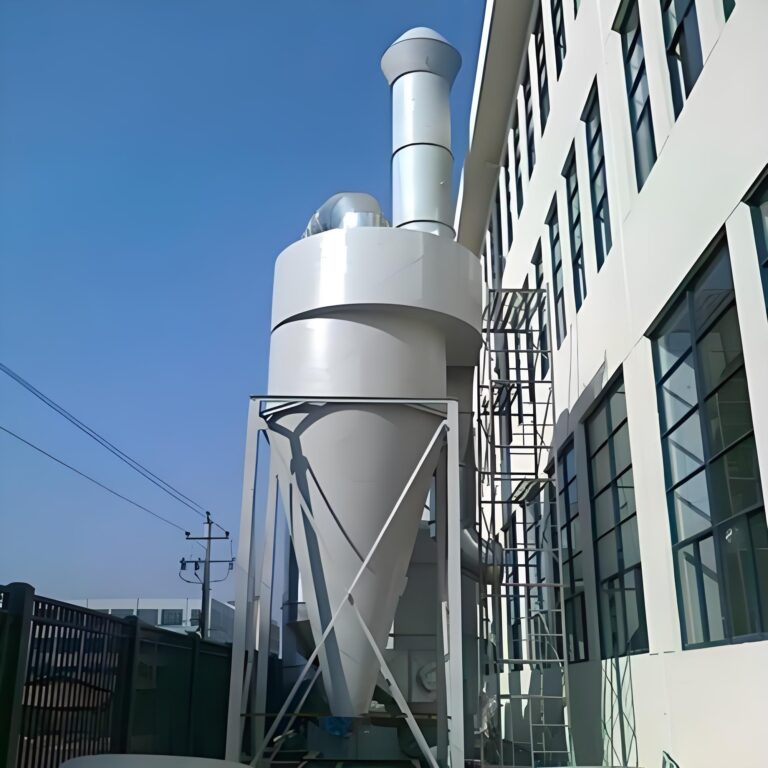
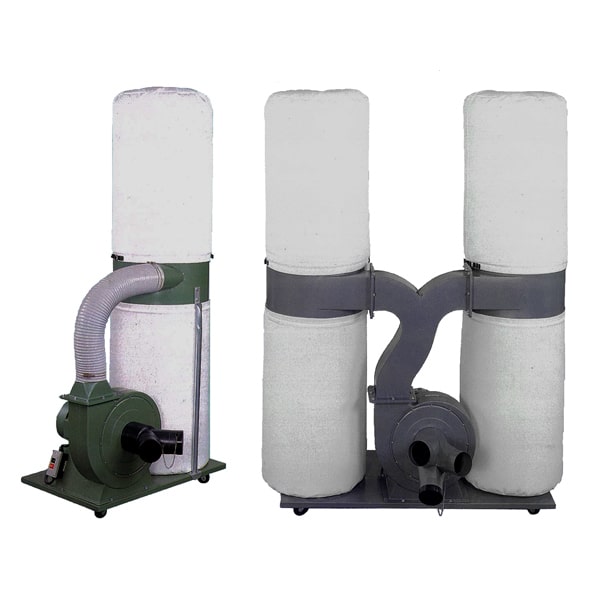
بالنسبة لمهندسي العمليات ومديري المصانع، لا يتمثل التحدي الرئيسي في تشغيل مجمعات الغبار الحلزونية في تحقيق الفصل - بل في زيادة الكفاءة إلى أقصى حد مع التحكم في التكاليف. ومن المفاهيم الخاطئة الشائعة أن ارتفاع سرعة المدخل يحسن الأداء عالميًا. في الواقع، غالبًا ما يؤدي هذا النهج في كثير من الأحيان إلى إعادة تصريف الجسيمات، حيث يتم سحب الغبار المتجمع مرة أخرى إلى تيار الغاز، مما يقوض الكفاءة ويزيد من الانبعاثات. وتتمثل المهمة الحقيقية في التعامل مع المفاضلة الحرجة بين قوة الطرد المركزي وفقدان الطاقة المضطربة.
يعد تحسين سرعة المدخل الآن ضرورة استراتيجية. وبعيدًا عن الامتثال الأساسي، يؤثر التحكم الدقيق بشكل مباشر على النفقات التشغيلية من خلال استهلاك الطاقة ويحدد جدوى تلبية معايير الانبعاثات الأكثر صرامة للجسيمات الدقيقة. هذا التحول ينقل تصميم الإعصار الحلزوني من اختيار مكون موحد إلى نظام مصمم خصيصًا للمواد، ومصمّم حسب الأداء.
الدور الحاسم لسرعة المدخل في أداء الأعاصير الحلزونية
تحدد سرعة المدخل ديناميكيات التدفق الداخلي للإعصار بالكامل. فهي تولد مباشرةً مكون السرعة العرضية، والتي تُظهر ديناميكيات الموائع الحسابية (CFD) أنها يمكن أن تتضخم حتى أربعة أضعاف داخل قلب الدوامة. هذا التضخيم هو مصدر قوة الطرد المركزي، مما يدفع الجسيمات نحو الجدار لتجميعها. ومع ذلك، فإن العلاقة ليست خطية.
مقايضة القوة مقابل الاضطراب
تخلق السرعة المفرطة تعارضاً حرجاً. وفي حين تزداد قوة الطرد المركزي، تزداد الطاقة الحركية المضطربة أيضاً. وتؤدي الدوامات المضطربة عالية السرعة إلى تعطيل الطبقة الحدودية المستقرة عند جدار الإعصار، مما يؤدي إلى إعادة دفع الجسيمات المجمعة إلى الدوامة الداخلية الصاعدة. إعادة التصريف هذه تتعارض مع الغرض من التجميع. ولذلك، فإن التحسين يستهدف “نطاق السرعة الفعالة” الذي يوازن بين قوة الفصل والاضطراب الضار.
عقوبة انخفاض الضغط
يتناسب استهلاك الطاقة مع مربع سرعة المدخل. تؤدي الزيادة في السرعة بمقدار 20% إلى زيادة 44% في انخفاض الضغط، مما يزيد مباشرة من متطلبات طاقة المروحة. والهدف الاقتصادي هو إيجاد الحد الأدنى للسرعة التي تحقق كفاءة الفصل المطلوبة للغبار المحدد، وبالتالي تقليل التكاليف التشغيلية مدى الحياة. في تحليلنا لمشاريع التعديل التحديثي، نجد باستمرار أنظمة تعمل بسرعة 15-25% أعلى من نطاق السرعة المثلى، مما يؤدي إلى تكبد عقوبات غير ضرورية في الطاقة.
البارامترات الرئيسية لتحسين سرعة المدخل
لا توجد سرعة دخول مثالية عالمية. فالمدى الفعال تمليه الخصائص الفيزيائية والكيميائية لتيار الغبار نفسه. ويضمن اتباع نهج واحد يناسب الجميع أداءً دون المستوى الأمثل.
حجم الجسيمات وكثافتها: المحركات الأساسية
توزيع حجم الجسيمات أمر بالغ الأهمية. تتطلب الجسيمات الدقيقة قوة طرد مركزي أكبر، مما يشير إلى الحاجة إلى سرعة مدخل أعلى. ومع ذلك، فإن هذه الجسيمات نفسها هي الأكثر عرضة لإعادة الانحباس بسبب زيادة الاضطراب. ويكون قطر القطع المستهدف (d₅₀) حساسًا للغاية لهذا التوازن. كما أن كثافة الجسيمات حاسمة بنفس القدر؛ فالجسيمات الأكثر كثافة تستقر بسهولة أكبر، مما يوفر مرونة تشغيلية أكبر مع السرعة.
تأثير التحميل والتماسك
يؤدي تركيز الغبار إلى تغيير تحمل السرعة. يمكن أن تسمح التحميلات الأعلى في بعض الأحيان بسرعات أعلى قليلاً لأن تصادمات الجسيمات والجسيمات تعزز التكتل، مما يخلق تجمعات أكبر وأكثر سهولة في التجميع. وعلى العكس من ذلك، تكون الأنظمة ذات التحميل المتناثر للغبار أكثر عرضة لإعادة التعليق وتتطلب سرعات أقل وأكثر استقرارًا. كما أن ميل الغبار المتأصل في التكتل - المتأثر بالرطوبة أو الالتصاق - يوسع أيضًا من نافذة السرعة القابلة للتشغيل.
يلخص الجدول التالي كيفية تأثير معلمات تيار الغبار الرئيسية على سرعة المدخل المستهدفة.
دليل توصيف تيار الغبار
| المعلمة | التأثير على السرعة المثلى للمدخل | الاعتبارات الرئيسية |
|---|---|---|
| توزيع حجم الجسيمات | أعلى للجسيمات الدقيقة | زيادة مخاطر إعادة الاستقطاب |
| تحميل الغبار | أعلى للتركيزات الكثيفة | يمكن أن يكون التكتل مفيدًا |
| كثافة الجسيمات | مرونة أكبر للغبار الأكثر كثافة | يستقر بسهولة أكبر |
| نزعة التكتل | أعلى بالنسبة للغبار الأكثر لزوجة | يعزز تماسك الجسيمات |
المصدر: VDI 3679 Blatt 1:2014-02 تنظيف غازات النفايات بواسطة الفواصل - فواصل الأعاصير. يوضح هذا الدليل الإرشادي بالتفصيل العلاقات الأساسية بين خصائص تيار الغبار وبارامترات التصميم والتشغيل للإعصار الحلزوني.
التصميم الهندسي: تحسين المدخل ومكتشف الدوامة
لا تكون سرعة المدخل المحددة فعالة إلا بقدر فعالية الهندسة التي تشكل التدفق الناتج. المدخل ومكتشف الدوامة (VF) هما العنصران الأكثر أهمية لتحويل السرعة إلى دوامة مستقرة وفعالة.
مكتشف الدوامة: المكون الأعلى تأثيرًا
يوفر التعديل الاستراتيجي لمرفق التذبذب الافتراضي أكبر عائد استثماري لمكاسب الفصل. ويؤدي تقليل قطر VF إلى زيادة كبيرة في السرعة العرضية - بحوالي 66% لتقليل 33% - مما يعزز قوة الطرد المركزي مباشرةً. وهذا فعال بشكل خاص لالتقاط الجسيمات الدقيقة. ومع ذلك، فإن هذا يخلق مفاضلة مباشرة: يزيد عامل التذبذب الأصغر من انخفاض ضغط النظام واستهلاك الطاقة بشكل كبير. يتوقف اختيار التصميم على الأولوية الاقتصادية: التقاط الجسيمات المتفوقة مقابل انخفاض تكاليف التشغيل مدى الحياة.
تصميم المدخل لاستقرار التدفق
يحدد شكل المدخل ونسبة العرض إلى الارتفاع مدى سلاسة التدفق في إنشاء الدوامة الأولية. يقلل المدخل المصمم جيدًا من فصل التدفق والاضطراب عند الدخول. وعلاوة على ذلك، فإن تحسين مدخل VF مع فوهة جرس انسيابية يقلل من الدوامات المحلية المعطلة وفقدان الضغط عند هذا التقاطع الحرج، مما يسهل انتقال التدفق إلى VF ويخفف من أحد مصادر إعادة التصريف.
يحدد الجدول أدناه تأثير التعديلات الهندسية الرئيسية.
تأثيرات التعديل الهندسي
| المكوّن | تصميم العمل | تأثير الأداء الأساسي |
|---|---|---|
| قطر مكتشف الدوامة | تخفيض 33% | 66% زيادة السرعة العرضية 66% |
| مدخل مكتشف الدوامة | إضافة فم الجرس | يقلل من الدوامات المحلية |
| انخفاض ضغط النظام | يزيد مع تقليل التردد البسيط | ارتفاع تكلفة الطاقة التشغيلية |
| هندسة المدخل | تحسين نسبة العرض إلى الارتفاع إلى الحد الأمثل | يعمل على استقرار التدفق الدوامي الأولي |
المصدر: الوثائق الفنية والمواصفات الصناعية.
كيفية تشخيص مشاكل إعادة الامتصاص وإصلاحها
يتطلب تشخيص المشكلات المتعلقة بالسرعة في الإعصار العامل مراقبة مؤشرات محددة يمكن الوصول إليها. يحدد النهج المنهجي السبب الجذري ويطبق تسلسلاً هرميًا للإجراءات التصحيحية.
تحديد الأعراض
انخفاض الضغط المرتفع هو المؤشر الأساسي لسرعة المدخل المفرطة وإهدار الطاقة المصاحب. يشير انبعاث الغبار المرئي من مخرج الغاز بقوة إلى إعادة التصريف من التدفق المضطرب بشكل مفرط. وعلى العكس من ذلك، يمكن أن يشير التراكم المفرط للغبار في القادوس، أو إعادة تدوير الغبار، إلى سرعات منخفضة جدًا لتوليد قوة فصل كافية، مما يسمح للجسيمات بالدوران القصير.
تطبيق الإجراءات التصحيحية المتدرجة
يتبع الحل استراتيجية استثمار متدرجة. الحل الأكثر مباشرة هو تقليل التدفق الكلي لهواء النظام، وبالتالي خفض سرعة المدخل. إذا لم يكن تقليل التدفق ممكنًا من الناحية التشغيلية، فإن تعديل مكتشف الدوامة بتصميم محسّن هو الخطوة التالية الأكثر فعالية. لمزيد من عدم استقرار التدفق الأساسي، قد تكون هناك حاجة إلى تعديل هندسة المدخل أو إضافة قناة لتقويم التدفق.
استخدم جدول التشخيص هذا للربط بين الأعراض والأسباب المحتملة والإجراءات المحتملة.
تشخيص إعادة التثبيط وتصحيحه
| العَرَض | السبب المحتمل | الإجراءات التصحيحية |
|---|---|---|
| انخفاض الضغط العالي | سرعة المدخل الزائدة | تقليل تدفق هواء النظام |
| انبعاث مخرج مرئي | إعادة التصريف بسرعة عالية | مكتشف الدوامة التحديثي |
| تراكم غبار القادوس | قوة فصل منخفضة | تعديل هندسة المدخل |
| مشكلات مزمنة في الأداء | عدم استقرار التدفق التأسيسي | تركيب قناة استقامة التدفق |
المصدر: ASME PTC 38-2020 تحديد أداء فواصل الجسيمات. يوفر رمز اختبار الأداء هذا منهجية موحدة لتحديد المشكلات مثل انخفاض الضغط الزائد والانبعاثات.
خطوات عملية لتصميم النظام الجديد وتحديد حجمه
تصميم نظام إعصار حلزوني جديد هو عملية هندسية متسلسلة تنتقل من أهداف الأداء إلى هندسة تم التحقق من صحتها. ويبدأ بمدخلات غير قابلة للتفاوض: كفاءة الفصل المستهدفة (على سبيل المثال، d₉₅)، وانخفاض الضغط المسموح به، وبيانات توصيف الغبار الشاملة.
من القياس التجريبي إلى التصميم التحليلي
إن اختيار هندسة أساسية مثبتة (على سبيل المثال، ستيرماند عالية الكفاءة) وتوسيع نطاقها للتدفق الحجمي المطلوب يوفر تصميمًا أوليًا. ومع ذلك، تكمن الميزة التنافسية الآن في دمج نمذجة CFD التنبؤية. وهذا ينقل العملية من التخمين التجريبي إلى الدقة التحليلية. تسمح نماذج CFD التي تم التحقق من صحتها بنماذج أولية افتراضية سريعة، مما يمكّن المهندسين من تكرار أشكال VF وتكوينات المدخل وغيرها من المعلمات لتلبية أهداف محددة قبل بدء أي تصنيع.
تكوينات للتطبيقات الصعبة
بالنسبة لمعدلات التدفق المرتفعة، ضع في اعتبارك عدة أعاصير حلزونية بالتوازي أو تصميم متعدد المداخل للحفاظ على السرعة المثلى لكل وحدة. بالنسبة لتيارات الغبار المعقدة ذات التوزيع الواسع الحجم، غالبًا ما يكون النظام المرحلي هو الأمثل. يقوم إعصار حلزوني أولي عالي السرعة بإزالة الحمل السائب، متبوعًا بوحدة ثانوية منخفضة السرعة مضبوطة بدقة (مثل إعصار حلزوني عالي الكفاءة أو حتى مرشح) لالتقاط الغبار الدقيق. ويعمل هذا النهج، وهو أساسي لتكنولوجيا الفصل المتكامل، على تحسين الكفاءة الكلية والتكلفة الإجمالية للملكية.
التعديل التحديثي للأعاصير الحالية لتحسين الكفاءة
بالنسبة للأنظمة المثبتة، غالبًا ما يكون الاستبدال الكامل باهظ التكلفة. يركز التحسين على التعديلات الهندسية المستهدفة التي تصحح العيوب المتعلقة بالسرعة بأقل وقت تعطل. ويعطي التسلسل الهرمي للتعديل التحديثي الأولوية للمكونات ذات أعلى نسبة تأثير إلى التكلفة.
تحديث مكتشف الدوامة: الرافعة الأولى
كما هو ثابت، فإن استبدال مكتشف الدوامة القياسي بقطر محسّن ومدخل فوهة الجرس هو الإجراء الوحيد الأكثر فعالية. فهو يغير مباشرةً من شكل السرعة الداخلية واستقرار الدوامة الداخلية، وغالبًا ما يحل مشاكل إعادة التصريف دون لمس جسم الإعصار الرئيسي.
تعديلات المدخل الأساسي
عند استمرار إعادة التصريف المزمن، قد يكون تكوين المدخل نفسه هو العائق. إن التحويل من مدخل عرضي قياسي إلى تصميم مدخل عالٍ (حيث تمتد قناة المدخل إلى أسفل في جسم الإعصار) يغير بشكل أساسي التدفق الداخلي. هذا التعديل يزيل السرعة “الخلالية” الصاعدة بالقرب من قمة المخروط، وهي آلية أساسية لإعادة تعليق الغبار المتجمع. وعلى الرغم من أنه تغيير هيكلي أكثر أهمية، إلا أنه يمكن أن يحل بشكل دائم عجز الأداء في الأنظمة القديمة. وقد أدت هذه الحاجة المتزايدة إلى تحفيز السوق لمجموعات الأداء المعيارية والمثبتة بمسامير من الموردين الذين يقدمون ترقيات ل نماذج مجمعات الغبار الحلزونية الصناعية المحددة.
يوضح الجدول التالي أهداف التعديل التحديثية الشائعة ونتائجها.
نظرة عامة على استراتيجية التعديل التحديثي
| هدف التعديل التحديثي | التعديل | النتيجة المتوقعة |
|---|---|---|
| أداة البحث عن الدوامة | قطر/فوهة الجرس الأمثل | أعلى تأثير على الفصل |
| تكوين المدخل | التحويل إلى تصميم عالي المدخل | يزيل السرعة البينية |
| تدفق النظام | تثبيت التحكم في التدفق | تقليل السرعة المباشرة |
| الأنظمة القديمة | أطقم الأداء المثبتة بمسامير | تحسين الامتثال والكفاءة |
المصدر: الوثائق الفنية والمواصفات الصناعية.
نمذجة CFD المتقدمة لتحسين السرعة
لا غنى الآن عن ديناميكيات الموائع الحسابية المتقدمة لتصميم الأعاصير الحديثة واستكشاف الأخطاء وإصلاحها. فهي توفر نافذة على التدفقات الداخلية المعقدة التي يستحيل قياسها بالمسابير المادية.
تصور مجال التدفق غير المرئي
تسمح تقنية CFD، خاصةً باستخدام نماذج إجهاد رينولدز (RSM) القادرة على التعامل مع التدفقات الدوامة القوية، للمهندسين بتصور قوة الدوامة وتحديدها وتحديد مناطق الاضطراب الشديد وتحديد مسارات التدفق ذات الدائرة القصيرة. هذه القدرة ضرورية لتحديد الآليات الدقيقة لإعادة التصريف، سواءً من الاضطرابات الجدارية أو دوامات المدخل ذات التدفق العكسي.
تمكين التصميم التنبؤي والفعال من حيث التكلفة
بالإضافة إلى التصور، يمكّن CFD من إجراء تحليل تنبؤي. من خلال محاكاة مسارات الجسيمات المنفصلة، يمكن للمهندسين إنشاء منحنيات تنبؤية لكفاءة الدرجة للتصميم المقترح. تسمح هذه النماذج الأولية الافتراضية باختبار العشرات من التكوينات الهندسية - تعديل انحناء VF، وزوايا المدخل، وأبعاد المخروط - لإيجاد التوازن الأمثل بين كفاءة الفصل وانخفاض الضغط لتيار غبار فريد من نوعه، مما يقلل بشكل كبير من تكاليف التجربة والخطأ المادية.
فيما يلي ملخص لإمكانيات CFD الحديثة.
إمكانيات تحليل CFD
| قدرة CFD | مخرجات التحليل | مزايا التصميم |
|---|---|---|
| تصوُّر التدفق | قوة الدوامة ومناطق الاضطراب | تحديد مناطق إعادة الاستنزاف |
| محاكاة مسار الجسيمات | المنحنيات التنبؤية لكفاءة التقدير التنبؤي | يقلل من النماذج الأولية المادية |
| تحليل التغير الهندسي | مفاضلة انخفاض الضغط مقابل الكفاءة | تمكين اختبار التكوين الافتراضي |
| نوع الموديل | نماذج إجهاد رينولدز (RSM) | تتعامل مع التدفقات المضطربة المعقدة |
المصدر: الوثائق الفنية والمواصفات الصناعية.
اختيار السرعة المثلى لتيار الغبار الخاص بك
الاختيار النهائي للسرعة هو توليفة من علم المواد وديناميكيات الموائع والاقتصاديات التشغيلية. ويبدأ بالتوصيف النهائي للغبار، والذي يضع حدود تحمل السرعة ويحدد قطر القطع المستهدف. تُعلم هذه البيانات التصميم الهندسي الأولي وتملي العمق اللازم لتحليل التصميم الميكانيكي الهيدروليكي المغناطيسي.
توليف إطار عمل القرار
يتمثل الهدف الاستراتيجي في اختيار زوج السرعة والهندسة الذي يولد دوامة قوية ومستقرة مع الحد الأدنى من الاختلاط بين اللولب الخارجي الهابط والقلب الداخلي الصاعد. هذه العملية تكرارية بطبيعتها وتنطوي على مفاضلات واضحة. فالسرعة المحسّنة لالتقاط الجسيمات دون الميكرون ستتكبد تكاليف طاقة أعلى وقد تتطلب مواد أكثر تكلفة للتعامل مع التآكل.
المواءمة مع الأولويات الاقتصادية
يجب أن يتماشى القرار مع النموذج الاقتصادي الأوسع للمحطة. هل الأولوية هي تقليل التكلفة الرأسمالية الأولية، أم تعظيم التقاط الجسيمات لضمان الامتثال التنظيمي، أم تقليل النفقات التشغيلية مدى الحياة؟ لا توجد إجابة واحدة صحيحة، فقط الإجابة المثلى لسياقك المحدد. معايير مثل ISO 18213:2019 فواصل الأعاصير الحلزونية - التصميم والأداء الإطار التأسيسي لهذا التقييم، لكن الاختيار النهائي يدمج هذه المبادئ مع القيود والأهداف الخاصة بالموقع.
سرعة المدخل المثلى ليست مواصفات قائمة بذاتها. إنها معلمة تشغيلية مركزية لتصميم نظام متماسك، يحددها الغبار الخاص بك، ومقيدة بهندستك، ومحسّنة لواقعك الاقتصادي. وتتطلب العملية الانتقال من المخططات العامة إلى نهج تحليلي محسوب.
يتطلب تنفيذ ذلك تسلسل قرارات واضح: توصيف الغبار الخاص بك، ونمذجة خياراتك، والتحقق من صحة الأداء مقابل معايير مثل GB/T 16755-2021. هل تحتاج إلى تحليل احترافي لتحديد سرعة المدخل المثلى واستراتيجية التعديل التحديثي لنظام الأعاصير لديك؟ الفريق الهندسي في بورفو متخصصون في تدقيق الأداء والحلول المصممة خصيصاً لتحقيق التوازن بين الكفاءة والتكلفة التشغيلية. اتصل بنا للحصول على تقييم مفصل لتطبيقك المحدد.
الأسئلة المتداولة
س: كيف نحدد سرعة المدخل المثلى لتيار الغبار المحدد لدينا؟
ج: السرعة المثلى ليست قيمة عالمية ولكنها تعتمد على خصائص المادة التي تستخدمها. يجب أن تقوم بتحليل توزيع حجم الجسيمات وكثافتها وتحميلها، حيث تحتاج الجسيمات الدقيقة إلى قوة أعلى ولكنها أكثر عرضة لإعادة التعليق. ويحدد هذا التحليل قطر القطع المستهدف (d₅₀) وتفاوت السرعة. بالنسبة للمشروعات التي يختلف فيها تكوين الغبار، خطط لنظام مرحلي مع وحدة أولية عالية السرعة وإعصار ثانوي مضبوط بدقة لتحسين الكفاءة الكلية.
س: ما هو التعديل التحديثي الأكثر تأثيرًا لإصلاح إعادة التصريف في الإعصار الحالي؟
ج: يوفر التعديل التحديثي لمكتشف الدوامة (VF) أعلى مكاسب في الأداء لتصحيح المشكلات المتعلقة بالسرعة. يمكن أن يؤدي تقليل قطر VF إلى زيادة السرعة العرضية بأكثر من 60%، مما يعزز التقاط الجسيمات الدقيقة، ولكنه يزيد أيضًا من انخفاض الضغط وتكاليف الطاقة. وهذا يعني أن المنشآت التي تعطي الأولوية لالتقاط الجسيمات من أجل الامتثال يجب أن تقوم بتعديل عامل الترددات البطيء (VF)، بينما يجب على العمليات التي تركز على توفير الطاقة مدى الحياة أن تقيم هذه المفاضلة بعناية.
س: كيف يمكن لنمذجة CFD تحسين تصميم الأعاصير الحلزونية مقارنةً بالقياس التجريبي التقليدي؟
ج: تعمل نمذجة CFD المتقدمة، خاصةً مع نماذج إجهاد رينولدز (RSM)، على تحويل التصميم من التخمين إلى الدقة التحليلية من خلال تصور قوة الدوامة الداخلية ومناطق الاضطراب. وهي تسمح بوضع نماذج أولية افتراضية لعشرات التكوينات الهندسية، مثل أشكال فوهة الجرس VF، للتنبؤ بالأداء قبل التصنيع. بالنسبة للمشاريع ذات الغبار الصعب أو أهداف الكفاءة الضيقة، يجب عليك دمج تحليل CFD لحل المفاضلة المتأصلة بين كفاءة الفصل وانخفاض ضغط النظام.
س: ما هي المعايير التي توفر طرق الاختبار للتحقق من صحة سرعة مدخل الإعصار وأدائه؟
ج: يجب أن يتبع التحقق من الأداء إجراءات الاختبار الموحدة الموضحة في ASME PTC 38-2020 و GB/T 16755-2021. وتوضح هذه المعايير بالتفصيل كيفية قياس المعلمات الحرجة مثل فقدان الضغط، وكفاءة الفصل، وسرعات الدخول/الخروج في ظل ظروف محددة. وهذا يعني أن أي ضمان أداء أو تقرير امتثال يجب أن يشير إلى الاختبار الذي تم إجراؤه وفقًا لهذه الرموز المحددة.
س: لماذا تقلل سرعة المدخل العالية أحيانًا من كفاءة التجميع؟
ج: تخلق السرعة المفرطة مفاضلة حرجة عن طريق تضخيم الدوامات المضطربة التي تزعج الطبقة الحدودية عند جدار الإعصار. هذا الاضطراب يعيد دفع الجسيمات المتجمعة مرة أخرى إلى الدوامة الداخلية الصاعدة إلى أعلى، مما يتسبب في خروجها من خلال مخرج الغاز، وهي عملية تعرف باسم إعادة التصريف. إذا كانت العملية الخاصة بك بها انبعاث غبار مرئي إلى جانب انخفاض الضغط المرتفع، فمن المحتمل أن تكون السرعة عالية جدًا وتحتاج إلى تقليلها لتثبيت التدفق.
س: ما العوامل الهندسية الرئيسية التي تؤثر على كيفية ترجمة سرعة المدخل إلى قوة الفصل؟
ج: يحدد شكل المدخل ونسبة العرض إلى الارتفاع الدوامة الأولية، في حين أن قطر مكتشف الدوامة (VF) هو المتحكم الهندسي الأكثر أهمية. يزيد قطر مكتشف الدوامة الأصغر من السرعة العرضية وقوة الطرد المركزي بشكل كبير ولكنه يزيد أيضًا من انخفاض الضغط. وهذا يعني أن التصميم الخاص بك يجب أن يحسن من عامل الترددات البطيئة إما لالتقاط الجسيمات بشكل أفضل أو لخفض تكاليف الطاقة التشغيلية، بناءً على أولوياتك الاقتصادية والامتثال المحددة.
س: كيف يمكن لإرشادات التصميم أن توضح العلاقة بين هندسة الإعصار وسرعة المدخل؟
ج: إرشادات هندسية شاملة مثل VDI 3679 Blatt 1:2014-02 تفصيل العلاقات الأساسية بين معلمات التصميم والسرعة التشغيلية ومقاييس الأداء الناتجة مثل الكفاءة وفقدان الضغط. تساعد هذه المبادئ في نمذجة كيفية تأثير التغييرات الهندسية على مجال التدفق. بالنسبة لتحديد حجم النظام الجديد، يجب عليك استخدام هذه المبادئ التوجيهية جنبًا إلى جنب مع تحليل الغبار للانتقال من القياس العام إلى تصميم خاص بالمواد.